
A split rail fence is a classic, rustic style of fencing that’s been around for centuries. Known for its simplicity and natural look, it uses wooden rails, often from split logs, creating a distinctive zigzag pattern. This fence is more than just a boundary marker; it’s a piece of history, blending seamlessly with rural landscapes and traditional properties.
A split rail fence is unique in its construction and appearance. It features long, rough-hewn beams, often made of cedar, pine, or locust wood stacked in an overlapping, zigzag pattern. This design provides durability and stability without the need for nails or hardware.
In this article, we’ll dive deeper into split rail fences. We’ll explore their historical roots, the materials used, variations in design, and practical applications.
KEY Takeaways
- Improved Air Distribution: The ‘Circulate’ setting helps distribute air evenly throughout your home, reducing hot or cold spots.
- Energy Efficiency: Using ‘Circulate’ can save energy by reducing the need for continuous heating or cooling.
- Enhanced Comfort: This setting maintains a more consistent temperature, improving overall comfort in your living space.
Types of Split Rail Fences

Split rail fences come in various shapes and styles, perfectly suiting aesthetic and functional needs. Explore three popular types of split rail fences.
Round Rail Fences: Classic Elegance Meets Simplicity
Round rail fences are a testament to timeless elegance and simple design. With their smoothly rounded rails fitting perfectly into pre-cut holes in sturdy fence posts, these fences are not just about creating boundaries; they’re about enhancing a property’s aesthetic. Their classic charm suits rural or historical settings, where they blend seamlessly with the natural landscape. The round rail fence is more than a functional element; it’s a choice for those who appreciate enduring style and quality craftsmanship.
Half-Round Rail Fences: Blending Stability with Unique Style
Half-round rail fences bring a distinctive twist to traditional fencing. The unique design, featuring rails with a flat side resting against the fence posts, offers enhanced stability and a striking visual appeal. This fence type is an excellent choice for landscapes where a rustic charm meets a hint of sophistication. It particularly appeals to those seeking a perfect harmony between functionality and aesthetic appeal. The half-round rail fence stands as a symbol of both strength and beauty, making it a popular choice among discerning homeowners.
Square Rail Fences: Modern Minimalism at Its Finest
For those who favor a contemporary, minimalist aesthetic, square rail fences are ideal. Characterized by bold, clean lines and a robust geometric design, these fences make a statement. The crisp angles and symmetrical layout of the square rails are visually pleasing and speak of durability and quality. This type of fence is especially suitable for modern landscapes and architectural styles, where its sleek, structured look adds to the overall appeal. Square rail fences are a testament to the beauty of contemporary simplicity, offering both function and fashion in a unique package.
Benefits of Split Rail Fences
There are numerous benefits and uses that make these fences an attractive option for various applications. Let’s explore the advantages of split rail fences and their diverse applications.
Aesthetic Appeal: Timeless Beauty and Rustic Charm
Split rail fences have earned a reputation for their rustic charm and enduring beauty. They possess the unique ability to enhance any property’s visual appeal effortlessly. These fences harmonize seamlessly with the surrounding landscape, whether in the rural countryside or a suburban garden.
Their natural, unpretentious appearance exudes a sense of timeless elegance. The weathered wood and open design allow them to blend organically with the environment, making them a favored choice for those who appreciate the simple yet captivating allure of split rail fencing.
Cost-effective: Affordable and Practical
One of the standout advantages of split rail fences is their cost-effectiveness. Compared to many other types of fencing, split rail fences are relatively affordable to install. Their straightforward design and construction require fewer materials, reducing overall costs.
This makes them attractive for property owners who are conscious of their budget but still seek a durable and visually appealing fencing solution. Whether you have a large expanse of land to enclose or a smaller garden area, split rail fences offer an economically viable choice.
Low Maintenance: Practical and Convenient
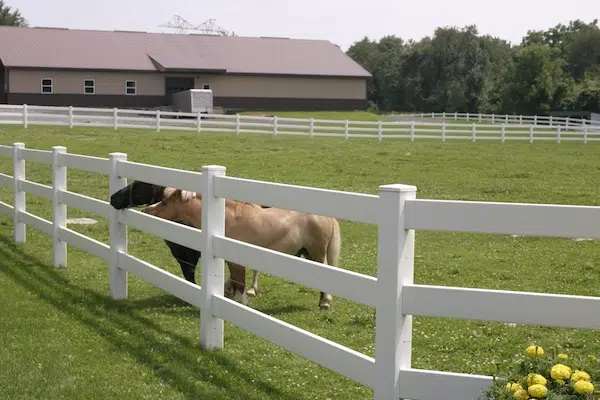
The maintenance requirements of split rail fences can vary depending on the materials used. However, many options, such as vinyl and metal, are deficient in maintenance. Vinyl split rail fences, for instance, do not warp, rot, or fade, requiring minimal upkeep to retain their pristine appearance.
Even wood fences, which have a reputation for needing periodic treatments, are relatively easy to maintain compared to more intricate fencing styles. This low maintenance aspect is a practical benefit that appeals to property owners looking for hassle-free solutions to their fencing needs.
Environmentally Friendly: A Sustainable Choice
Many split rail fences are crafted from sustainable materials, mainly wood sourced from responsibly managed forests. This environmentally conscious choice aligns with the values of eco-friendly property owners. By opting for a split rail fence, you enhance your property’s aesthetics and contribute to sustainable practices.
This eco-friendly aspect adds another layer of appeal to split rail fences, making them a preferred choice for those who want to make environmentally responsible decisions while improving their property.
Uses of Split Rail Fences
Split rail fences offer a world of versatility, going beyond mere boundaries. Let’s delve into the myriad applications and benefits these charming fences bring to different settings.
Property Boundaries: Defining Your Space with Charm
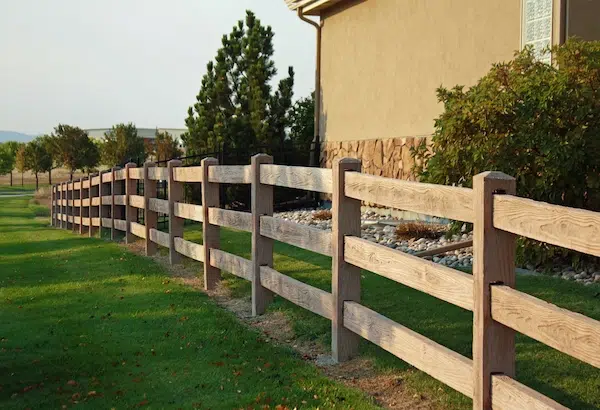
Split rail fences are a classic choice for marking property boundaries. They provide a clear and welcoming demarcation for your land, whether a sprawling rural estate or a cozy suburban garden.
These fences offer more than just a functional boundary; they add a touch of rustic charm and timeless elegance to your property. Their open design allows for a friendly and inviting atmosphere, making them a popular choice for those who appreciate both form and function in their fencing.
Landscaping and Aesthetics: Crafting Beautiful Outdoor Spaces
Beyond their role as property markers, split rail fences enhance your property’s landscaping. They can be creatively used to define and beautify different sections of your land. Whether you’re highlighting garden beds, creating outdoor living spaces, or adding a rustic touch to your landscape design, these fences are versatile tools for elevating your property’s aesthetics.
Their natural appearance blends seamlessly with the environment, creating a captivating and harmonious outdoor space.
Livestock Enclosures: Ensuring Safety and Grazing Space
In agricultural settings, split rail fences enclose areas where livestock graze. Their open design allows animals to feed comfortably, providing a durable and secure barrier. Whether managing a farm or having a few animals to care for, these fences offer a practical and visually appealing solution. They ensure the safety of your animals while contributing to the overall pastoral charm of the landscape.
Safety and Security: Visual Deterrence and Boundary
While split rail fences may not be as solid as other fencing options, they serve as a visual deterrent and offer a sense of safety and security. Parks, trails, and public spaces often utilize these fences to create clear boundaries and define areas. Their presence adds a layer of protection and order while maintaining an open and inviting visitor atmosphere.
Historical and Cultural Preservation: Preserving the Past
In historical and cultural settings, split rail fences play a pivotal role in preserving the authenticity of a location. Whether it’s a heritage site, a national park, or a historical reenactment, these fences maintain a sense of history and tradition. Their presence evokes the past and contributes to the overall ambiance, making them essential to preserve our cultural heritage.
Frequently Asked Questions
1. What is the purpose of a split rail fence?
The primary purpose of a split rail fence is to mark property boundaries and contain livestock. Split rail fences are made of timber rails, typically wooden logs split lengthwise into rails and held between upright posts. The gaps between the rails allow livestock to see through the fence.
2. What is the difference between split rail and post and rail fence?
The main difference between split rail and post and rail fences is the construction of the rails. Split rail fences are made of split wooden rails fitted between upright posts. Post and rail fences use sawn timber rails attached to posts with joinery, nails, or brackets.
3. Are split rail fences good?
Yes, split rail fences have several good qualities. They have a classic, rustic look that blends into natural settings. The open gaps between rails reduce wind load compared to solid fences. Split wood rails are economical and practical. Repairs are easy by replacing single damaged rails.
Conclusion
Split rail fences offer a versatile and attractive solution for various property types. With numerous benefits, including aesthetic appeal, cost-effectiveness, and low maintenance, these fences are an excellent choice for residential, agricultural, and commercial properties. Property owners can enjoy the timeless charm and functionality of split rail fences for years to come by understanding the installation process and following proper maintenance tips.


