Condensation on a metal roof can cause many problems. It can lead to rust, mold, and damage to your roof and home. This guide will help you understand how to stop condensation on metal roofs.
Improve insulation, enhance ventilation, and control indoor humidity. Use anti-condensation layers and seal any roof leaks. Ensure the roof has the proper slope for drainage. Regular inspections, cleaning gutters, and repairing damages also help prevent condensation and keep your metal roof well.
By taking the right steps, you can prevent condensation and keep your roof in good condition. Read this article and learn more about it.
KEY Takeaways
- Improve Insulation: Insulation helps keep the roof warm. It also prevents condensation by stopping moisture from forming.
- Enhance Ventilation: Good airflow removes moist air from the attic. Thus, it reduces condensation on the metal roof.
- Control Humidity: Use dehumidifiers and fix leaks. Do it to maintain low indoor humidity and prevent condensation.
Step-By-Step Guide To Stop Condensation On A Metal Roof
Stopping condensation on a metal roof is important to keep your roof and home in good shape. This step-by-step guide will show you easy ways to prevent moisture buildup. From improving insulation to ensuring proper roof slope, these tips will help you protect your roof from condensation problems.
Step 1: Improve Roof Insulation
Good insulation is key to preventing condensation. Insulation helps keep the temperature of the roof surface above the dew point, which stops condensation from forming. Use high-quality insulation materials and ensure they are installed correctly. Insulating the attic or space under the roof will reduce temperature differences, which helps to stop condensation.
Step 2: Enhance Ventilation
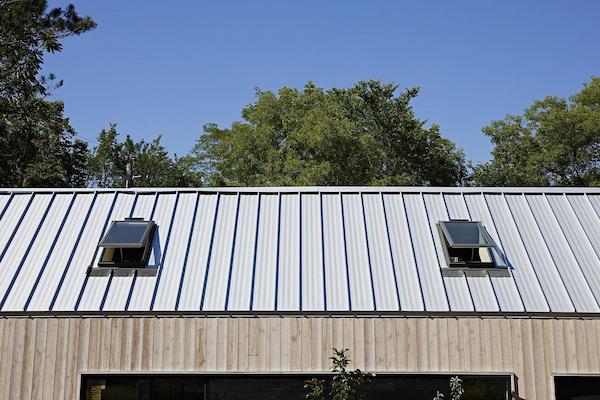
Proper ventilation is essential to control moisture. Good airflow helps to remove moist air from inside the building, reducing the chance of condensation. Install vents in the roof and eaves to allow air to circulate. Ridge vents, gable vents and soffit vents are all effective options. Make sure the ventilation system is balanced, with equal intake and exhaust.
Step 3: Control Indoor Humidity
High indoor humidity can contribute to condensation on your metal roof. To control humidity levels:
- Use dehumidifiers in damp areas.
- Fix any leaks or water problems.
- Ensure that exhaust fans in kitchens and bathrooms are vented outside.
- Avoid drying clothes indoors and use an exhaust fan if you must.
Step 4: Use Anti-Condensation Layers
Anti-condensation layers are special materials that can be applied to the underside of a metal roof. These layers absorb moisture and then release it when conditions are drier. This prevents water droplets from forming and dripping. Installing an anti-condensation layer is an effective way to manage moisture.
Step 5: Seal Roof Leaks
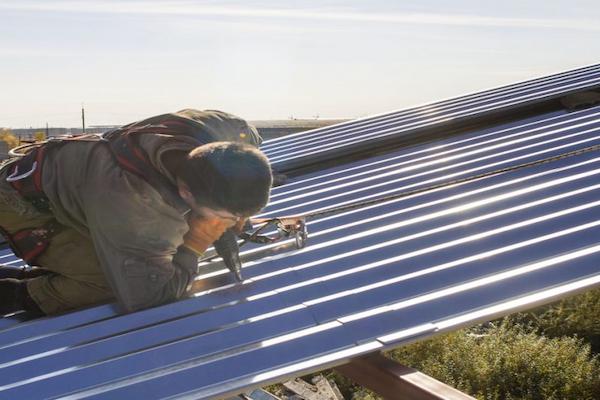
To prevent problems like condensation, you need to seal any leaks in your roof. Water from leaks can increase humidity inside and cause issues. Start by checking your roof for water stains or damp spots, which can show where leaks are. Use a good quality sealant to fill any gaps or cracks you find.
This will stop water from getting in and keep your roof strong and dry. Regularly checking and fixing leaks will help protect your home and keep everything in good shape.
Step 6: Ensure Proper Roof Slope
The slope of your roof affects how well water drains off. A steeper slope allows water to run off quickly, reducing the chance of condensation. When your roof slope is too shallow, consider consulting a professional to see if adjustments can be made. Proper drainage is crucial for preventing moisture buildup.
Metal Roof Maintenance
Taking care of your metal roof is crucial to keep it strong and long-lasting. Regular maintenance helps prevent issues like rust and leaks. By inspecting your roof, cleaning gutters, and fixing any damage, you can ensure your roof stays in top condition and works properly for years.
Regular Inspections
Regular inspections are key to keeping your metal roof in good shape. Check your roof often for any signs of rust, leaks, or damage. Rust can cause metal to weaken, and leaks can lead to water damage inside your home. By looking for these issues early, you can fix small problems before they get worse.
Use a ladder to safely reach the roof or hire a professional if needed. Catching and repairing issues early will help your roof last longer and keep your home safe and dry.
Cleaning Gutters

First of all, the gutters must be well-installed. Then, cleaning your gutters is important to keep your roof and home safe. Leaves, sticks, and other debris can block the gutters, stopping water from flowing properly. When gutters are clogged, water can back up and spill over, leading to leaks and even causing condensation problems on your roof.
To avoid this, clean your gutters regularly, especially in fall when leaves are falling. Make sure water can flow easily through the gutters and downspouts to keep your roof in good shape and prevent damage.
Repairing Damages
When you spot damage on your roof, like cracks or holes, fix it right away. Even small issues can lead to bigger problems, like leaks and condensation. Use strong, high-quality materials to make sure the repair lasts a long time. When you wait too long, water can get into your home and cause more damage.
Quick repairs help keep your roof strong and prevent further problems, making sure your home stays dry and safe.
Additional Tips And Tricks
Besides the basic steps for stopping condensation on your metal roof, there are extra tips and tricks that can help. These ideas can improve your roof’s performance and protect it even more. From using special paints to adding moisture-absorbing materials, these tips will boost your roof’s defense against condensation.
Reflective Paints
Using reflective paints on your metal roof helps keep it cooler. These paints reflect sunlight away from the roof, which stops it from getting too hot. When the roof stays cooler, it reduces the temperature difference between the roof and the air inside your home. This smaller temperature gap helps prevent condensation, which is when water droplets form on the roof.
By keeping the roof cooler with reflective paints, you can help stop condensation and keep your roof in better shape.
Thermal Breaks
Thermal breaks are special materials that help stop heat from moving between different parts of your roof. They work by keeping the temperature steady, so there’s less difference between the roof and the inside of your home. This helps stop condensation, which is when water droplets form on the roof. You must use thermal breaks where metal parts of the roof connect with other materials.
By doing this, you can keep your roof at a more even temperature and reduce the chances of condensation causing problems.
Using Desiccants
Desiccants are materials that soak up moisture from the air. You can place desiccant packs in your attic or under your roof to help control the humidity. By absorbing extra moisture, desiccants keep the air drier, which reduces the chances of condensation forming. This is an easy and effective way to prevent water droplets from developing on your roof. Using desiccants helps maintain the right humidity levels and keeps your roof in good condition.
FAQs
Can Dehumidifiers Help Reduce Condensation On Metal Roofs?
Yes. Dehumidifiers can help reduce condensation on metal roofs. This is by removing excess moisture from the air inside your home. This reduces the humidity levels, which lowers the chances of condensation forming on your metal roof. Using a dehumidifier is an effective way to keep your roof dry.
Can Proper Attic Insulation Prevent Condensation On Metal Roofs?
Yes. Proper attic insulation helps by keeping the roof’s surface temperature consistent. This prevents the warm, moist air from inside the house from reaching the colder roof surface, which stops condensation from forming. Good insulation can protect your metal roof from moisture problems.
Does Sealing Roof Seams And Joints Reduce Condensation?
Yes. Sealing roof seams and joints prevent condensation. By covering gaps and cracks with a good sealant, you stop water from getting inside and increasing humidity. This keeps the roof surface dry and reduces condensation forming. Proper sealing is a key step to manage roof moisture.
Conclusion
Preventing condensation on a metal roof is important for keeping it in good shape. To stop condensation, you need to focus on a few key things: first, make sure your roof has good insulation to keep the temperature steady. Next, improve ventilation to let air flow freely and remove moisture.
Controlling indoor humidity also helps by keeping the air dry. Regularly check and maintain your roof to catch any problems early. You can also use extra tools like anti-condensation layers, reflective paints to keep the roof cooler, and desiccants to absorb moisture.
By following these steps, you can protect your metal roof from condensation and ensure it stays strong and dry for a long time.