
When choosing the right material for a fence, many homeowners wonder, “Is cedar good for fencing?” The answer lies in understanding the unique qualities of cedar as a fencing material.
Cedar stands out as an excellent choice for fencing due to its natural durability, resistance to rot and pests, and the beautiful, natural aesthetic it brings to any outdoor space. Its ability to withstand various weather conditions with minimal maintenance makes cedar practical.
In the following sections, we’ll delve deeper into why cedar is a favored material for fencing.
Cedar’s Natural Benefits
Cedar is a top choice for fencing due to its natural durability, resistance to rot, and ability to deter pests. These qualities make it ideal for long-lasting fences.
Inherent Durability
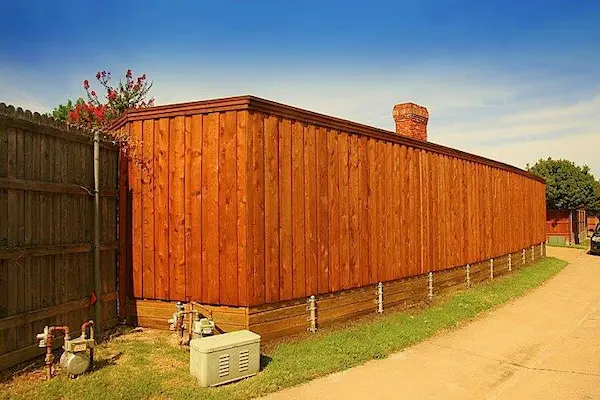
Cedar wood is naturally strong, ensuring that fences from it are sturdy and long-lasting. This strength helps the fence withstand various weather conditions, from harsh sun to heavy rain.
Cedar fences stand up to the test of time, saving homeowners from frequent repairs or replacements.
Rot Resistance
One of cedar’s most significant advantages is its natural rot resistance. This resistance is due to oils in the wood that repel moisture, a common cause of rot in other wood types.
Cedar fences remain in good condition for many years, reducing the need for regular maintenance.
Pest Deterrence
Cedar wood’s natural scent is pleasant to humans and a deterrent to pests like termites and carpenter ants. These pests can cause significant damage to other wood types, but they typically avoid cedar.
This natural pest control feature of cedar adds to its appeal as a fencing material.
Aesthetic Appeal
Cedar fencing is not just practical; it’s also really pretty. We will talk about its varied colors, natural look, and unique patterns that make it stand out.
Rich Color Variance
Cedarwood has many beautiful colors, from light tan to deep brown. These colors add a special touch to gardens and yards, making cedar fences more than just a boundary.
Their rich colors blend well with nature and enhance the beauty of any space.
Natural Beauty
The natural beauty of cedar is its biggest charm. Cedarwood looks great without needing paint because of its natural texture and color.
This makes cedar fences fit perfectly in different types of gardens, adding to the overall look of a house.
Unique Grain Patterns
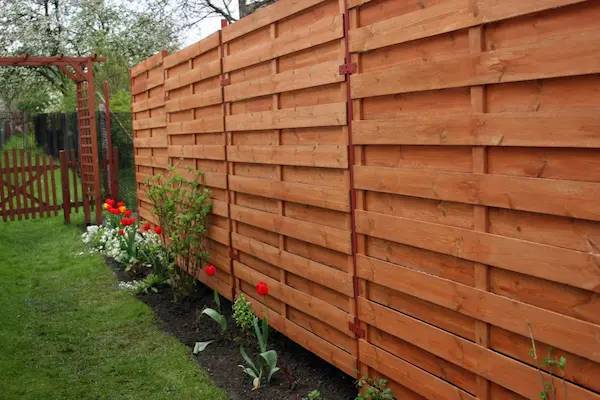
Each piece of cedar wood has a unique grain pattern. This means all cedar fences are different. These patterns give each fence a special, one-of-a-kind look, adding character and uniqueness to a property.
Longevity And Maintenance
Cedar fences are beautiful, lasting a long time, and are easy to take care of. We will explore their lifespan, low maintenance needs, and how they handle weather.
Lifespan Expectancy
Cedar wood is known for lasting many years. With the exact building and good care, a cedar fence can stand strong for decades. This long life means you don’t have to replace your fence often, which is great for saving money and effort.
Low Maintenance Needs
One of the best things about cedar fences is they don’t need much work to stay in good shape. Regular cleaning and occasional treatments to protect the wood are usually enough.
This makes them a hassle-free choice for busy homeowners.
Weathering Characteristics
Cedar handles different weather conditions well. Over time, it naturally changes to a silver-gray color.
This change doesn’t weaken the wood. This aged look adds to the fence’s charm.
Environmental Considerations:
We’ll see how they’re a green choice, come from a source we can keep using, and are nature-friendly when they age.
Eco-Friendly Choice
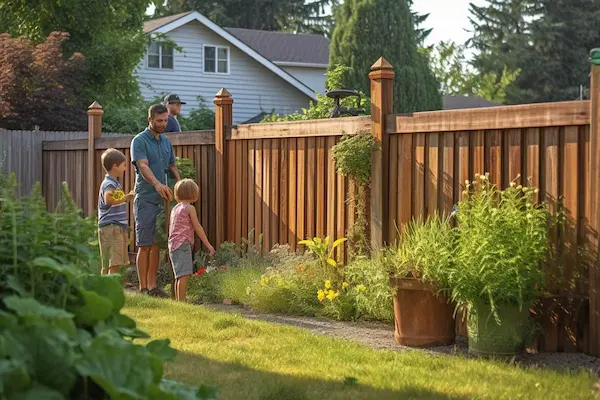
Cedar is a really good choice for the environment. It doesn’t need strong chemicals to keep bugs and rot away. This means it’s safer for our earth than other materials that need many chemicals.
Renewable Resource
Cedar trees grow back pretty fast. This makes cedar a resource we can use without worrying about running out of trees.
As long as we plant new trees, we can keep using cedar for fences. This is good for maintaining healthy forests.
Biodegradable Material
A cedar fence can break down naturally and return to earth when it gets old. This is much better for the environment than plastic, which takes a long time to break down.
Cost And Installation
Let’s talk about how much cedar fencing costs first, how easy it is to put up, and why it’s a good deal in the long run.
Initial Cost Analysis
Cedar fencing costs a bit more when you first buy it compared to some other types of fences. But, this cost is for a good reason.
Cedar is high quality and lasts a long time, so it’s like paying for something that will be useful and strong.
Installation Ease
Putting up a cedar fence is easy. Many people can do it themselves if they like doing such projects.
Professionals can install it quickly because cedar is easy to work with. This means you will immediately have a nice fence.
Long-Term Value
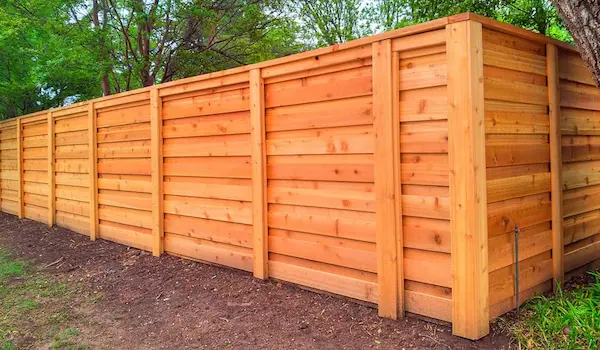
Cedar fencing is a great choice for the long term. Even though it costs a bit more initially, it doesn’t need much care and lasts for years.
So, over time, you save money because you won’t have to fix or replace it often.
FAQs
1. What Are The Disadvantages Of A Cedar Fence?
Cedar fences, while durable and attractive, are more expensive initially and require regular maintenance to prevent fading. They’re also softer than some woods, making them more prone to damage from impacts or heavy wear. Despite these drawbacks, cedar remains a popular choice.
2. How Long Will Cedar Fence Last?
A cedar fence typically lasts between 15 to 30 years. Its lifespan depends on factors like climate, maintenance, and installation quality. Regular care, such as staining and sealing, can help extend its life. Cedar’s natural resistance to rot and pests also contributes to its long-lasting durability.
3. Is Cedar Fencing Worth It?
A cedar fence typically lasts between 15 to 30 years. Its lifespan depends on factors like climate, maintenance, and installation quality. Regular care, such as staining the cedar fence or sealing it, can help extend its life. Cedar’s natural resistance to rot and pests also contributes to its durability.
4. Which Is Better For Fence Cedar Or Pine?
Cedar is often considered superior to pine for fencing. It naturally lasts longer, resists rot and pests, and handles weather better, requiring less upkeep. Pine is cheaper and is treated to improve its durability, but cedar’s inherent qualities typically make it more reliable.
Conclusion
Cedar is an excellent choice for fencing. Its natural durability, rot, pest resistance, and unique aesthetic appeal make it a practical and attractive option for homeowners.
Cedar’s environmental friendliness adds to its appeal, making it a responsible choice for those looking to balance functionality, beauty, and ecological considerations in their fencing decisions.


