Are you planning to install a fence but unsure whether it should a fence be level or follow the ground? Making this decision can seem tricky, but fear not! We’re here to shed some light on the matter. When it comes to fences, there are two schools of thought: level or following the ground.
The choice between the two largely depends on factors like aesthetics, terrain, privacy, security, and maintenance. In this discussion, we’ll break down the pros and cons of each approach, helping you make an informed decision that suits your needs. So, let’s dive in and find out whether your fence should be level or follow the ground!
Factors Influencing Fence Alignment Choices
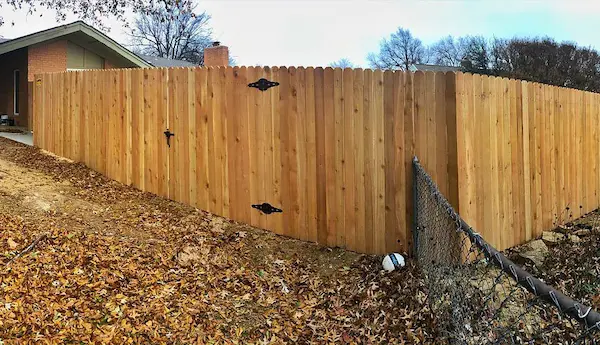
When deciding whether a fence should be level or follow the ground, several factors come into play. Let’s explore the 5 key factors that influence this important choice:
Terrain
The contour of the land plays a significant role. If your property has slopes, hills, or uneven ground, it may be challenging to maintain a completely level fence. In such cases, allowing the fence to follow the natural topography can ensure better stability and reduce the need for extensive excavation or modification.
Aesthetic Considerations
Your personal preference and the desired visual effect also influence fence alignment. A level fence provides a clean and uniform appearance, which may be desirable for a more formal or contemporary setting. On the other hand, a fence that follows the ground can create a more natural and organic look, blending with the surrounding landscape.
Privacy And Security
The purpose of the fence is another crucial factor. If privacy and security are paramount, a level fence can be more effective.
It minimizes gaps between the ground and the fence, making it harder for intruders to access the property. However, if privacy isn’t a significant concern, a fence that follows the ground may be a viable option.
Maintenance And Accessibility
Consider the long-term maintenance requirements and accessibility of your fence. A level fence generally requires less maintenance as it has a consistent height throughout.
On the other hand, a fence that follows the ground may have varying heights, which could require more frequent adjustments or repairs to accommodate changes in the terrain.
Local Regulations
Always check the local building codes and regulations before installing a fence. Some areas have specific guidelines regarding fence height, setback from property lines, and alignment. It’s crucial to ensure compliance with these regulations to avoid any potential legal issues.
Level Fence Installation
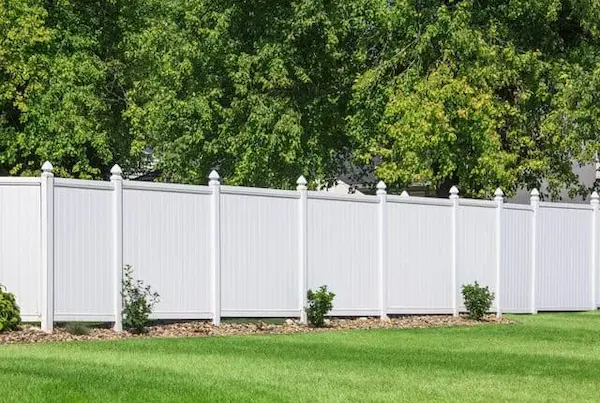
A level fence refers to a fence that maintains a consistent height throughout its entire length, regardless of the terrain. Let’s explore the advantages of installing a level fence and discuss considerations for achieving a uniform and visually appealing appearance, especially on uneven terrain.
Advantages Of A Level Fence
Clean And Uniform Appearance
One of the primary benefits of a level fence is the clean and uniform look it provides. It gives a sense of order and symmetry, which can be visually appealing, especially in urban or formal settings.
Enhanced Security And Privacy
A level fence minimizes gaps between the ground and the bottom of the fence, reducing the chances of unauthorized access. It also helps enhance privacy by creating a barrier that is less susceptible to being seen through.
Easier Maintenance
A level fence generally requires less maintenance compared to fences that follow the ground’s contours. With a consistent height, repairs, painting, and general upkeep become more straightforward and less time-consuming.
Considerations For Installing A Level Fence On Uneven Terrain
Survey And Preparation
Before installing a level fence on uneven terrain, it’s crucial to survey the area and identify the high and low points. Clearing the ground of any obstacles or debris and properly marking the fence line is essential for accurate installation.
Grading And Leveling
To achieve a level fence on uneven ground, grading, and leveling may be necessary. This process involves reshaping the terrain, adding or removing soil, and using tools such as a level, string, and stakes to ensure the fence is installed at a consistent height.
Step-Down Method
In some cases, where the terrain has steep slopes or significant grade changes, a step-down method can be employed. This involves installing the fence in sections, each following the contour of the ground at that particular spot. This method helps maintain stability and avoids gaps under the fence.
Professional Assistance
Installing a level fence on uneven terrain can be challenging and may require professional expertise. Consulting with a fence contractor or landscaping professional can ensure proper installation, adherence to local regulations, and a visually pleasing result.
Fence Following The Ground Contour
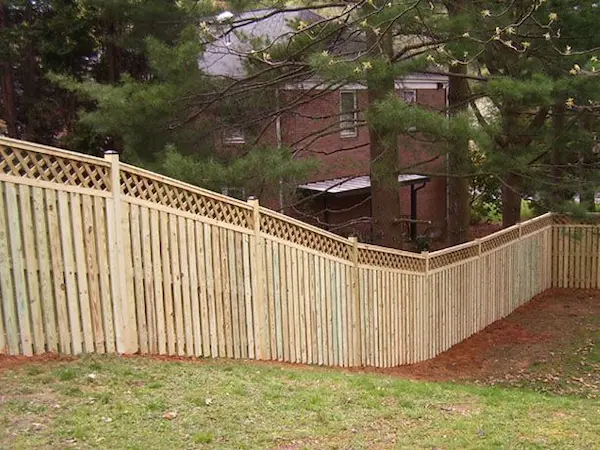
A fence that follows the ground contour adapts to the natural shape and slopes of the landscape. Let’s explore the benefits of installing a fence that follows the ground.
Benefits Of A Fence That Follows The Ground
Seamless Integration
By following the natural contours of the ground, this type of fence seamlessly integrates into the existing landscape. It creates a harmonious and organic appearance, blending with the surrounding environment rather than appearing rigid or out of place.
Structural Stability
When a fence follows the ground contour, it can provide better structural stability. Adjusting the height and alignment according to the terrain, it reduces the strain on the fence and improves its resistance to external forces such as wind or ground movement.
Less Modification Required
Unlike a level fence that requires extensive grading or leveling, a fence that follows the ground often requires fewer modifications to the terrain. This can be advantageous in areas where altering the landscape may not be practical or desirable.
Addressing Challenges And Potential Drawbacks
Gaps And Visibility
One challenge with a fence following the ground contour is the potential for gaps beneath the fence. If the terrain has significant variations, it may create spaces where small animals can pass through or visibility is increased. This can compromise privacy or security, and additional measures may be needed to address these concerns.
Maintenance And Repairs
Maintaining a fence that follows the ground contour can be more challenging compared to a level fence. The varying heights and angles may require more frequent adjustments, repairs, or replacement of sections as the ground shifts over time.
Uniformity And Aesthetic Preferences
While a fence that follows the ground can create a natural and visually appealing look, it may not fit everyone’s aesthetic preferences or the desired design theme. In certain settings, such as formal landscapes or urban areas, a level fence may be preferred for its clean and uniform appearance.
Professional Assistance
Installing a fence that follows the ground contour can be more complex than a level fence. It often requires careful planning, precise measurements, and expertise to ensure proper alignment and stability. Consulting with professionals experienced in this type of installation is recommended.
Terrain And Property Considerations
When deciding whether to install a level fence or one that follows the ground, it’s essential to evaluate the terrain and property characteristics.
Evaluating Property Terrain And Slope
Assess the topography of your property to determine its slope and contours. Steep slopes or significant variations in elevation may make it challenging to install a level fence.
In such cases, a fence that follows the ground may be a more suitable option to ensure stability and minimize the need for extensive grading or leveling.
Impact Of Soil Conditions And Drainage
Consider the soil conditions on your property. Factors such as soil type, moisture content, and drainage patterns can affect the installation and longevity of the fence.
Certain soil types, like clay or sandy soil, may require additional measures, such as proper drainage systems, to maintain the stability of the fence.
Balancing Aesthetics, Practicality, And Property Characteristics
Finding the right balance between aesthetics, practicality, and property characteristics is crucial. Take into account the overall design and style of your property.
Consider whether a level fence or one that follows the ground complements the existing landscape and architectural features.
Additionally, think about the practical aspects, such as privacy needs, security requirements, and ease of maintenance, to align with your property’s specific characteristics.
Functionality And Security
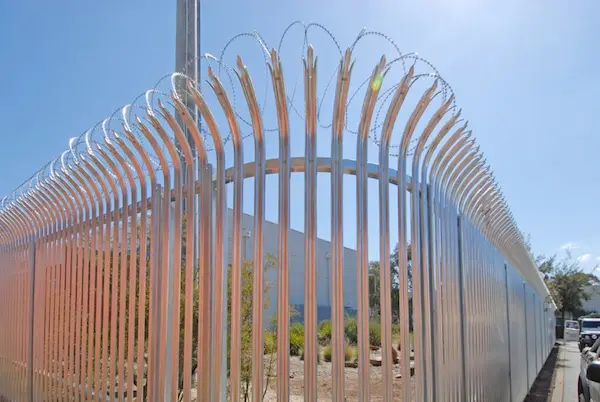
When deciding on the alignment of a fence, it is crucial to consider its functionality and security aspects.
Considering The Purpose Of The Fence
Start by identifying the primary purpose of the fence. Is it for privacy, security, containing pets, or purely decorative? Understanding the intended function will help guide your alignment decision.
Addressing Issues With Gaps And Uneven Heights
If you choose to install a fence that follows the ground contour, you may encounter gaps beneath the fence due to uneven terrain.
To address this, consider options such as adding lattice panels, decorative elements, or using landscaping techniques to fill the gaps without compromising the fence’s structural integrity.
Determining Alignment For Security And Structural Integrity
For fences prioritizing security, maintaining a consistent height is crucial. A level fence helps minimize gaps, making it more difficult for intruders to access the property.
However, if you opt for a fence that follows the ground contour, focus on ensuring the fence is sturdy, properly anchored, and has minimal gaps where security could be compromised.
Local Regulations And Codes
Researching and understanding the local building codes and regulations that govern fence installations in your area is another important thing.
Researching Building Codes And Regulations
Start by researching the building codes and regulations specific to your locality. Contact your local building department or visit their website to obtain the necessary information. Building codes typically provide guidelines on fence height, setback from property lines, materials allowed, and other relevant specifications.
Understanding Specific Requirements Or Restrictions
Once you have access to the building codes and regulations, take the time to carefully read and understand the specific requirements or restrictions. Pay attention to any limitations regarding fence height, design, materials, or special considerations for properties in certain zones (such as historic districts or conservation areas).
Ensuring Compliance During Installation
It is essential to ensure compliance with the local regulations during the entire fence installation process. Consider the 4 following factors:
Fence Height
Install the fence at a height that adheres to the maximum limits specified by the local regulations.
Setback Requirements
Determine the minimum distance allowed between the fence and property lines, ensuring you do not encroach on neighboring properties.
Materials And Design
Use approved materials and adhere to any design guidelines outlined in the local regulations.
Permits And Inspections
Determine if a permit is required for fence installation and ensure all necessary inspections are scheduled and conducted as per the local requirements.
Professional Advice And Expertise
When making decisions about fence alignment, it is valuable to seek professional advice and expertise. Here are 3 tips for you.
Consulting Fencing Professionals Or Contractors
Engaging the services of fencing professionals or contractors can provide valuable insights and guidance throughout the fence installation process.
These professionals have experience in assessing property characteristics, understanding local regulations, and implementing appropriate fence alignment techniques.
Seeking Advice Based On Property Characteristics
Each property has unique characteristics that can influence the choice of fence alignment.
By consulting professionals, you can gain insights into how the specific terrain, soil conditions, drainage patterns, and other property factors may impact the fence installation. Experts can recommend alignment options that best suit your property’s needs and ensure long-term durability.
Considering Input From Experienced Professionals
Experienced professionals bring a wealth of knowledge and expertise to the table. They can provide advice on various aspects, including aesthetics, functionality, security, maintenance, and compliance with local regulations. Considering their input and recommendations can help you make informed decisions and avoid potential pitfalls.
You may check out a detailed comparison between cedar and redwood fences. Just click the inserted link.
FAQs
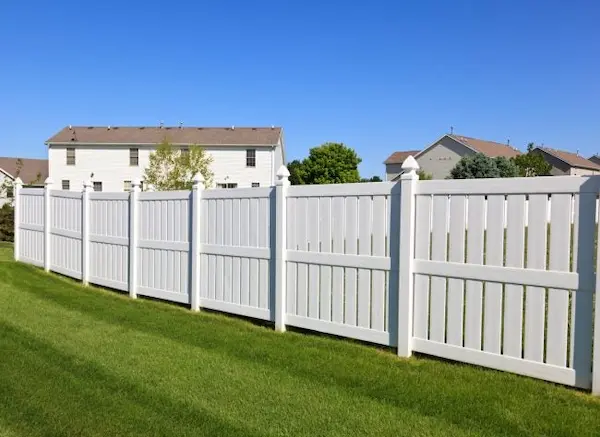
1. Should A Fence Be Leveled At The Top Or Bottom?
Ideally, a fence should be leveled both at the top and bottom. This helps ensure a uniform appearance and structural stability. A level fence at the top prevents it from looking uneven or sloping, while a level bottom helps minimize gaps and maintain security.
2. What Is The Best Way To Level Ground For A Fence?
To level the ground for a fence, clear the area of debris and vegetation. Use a string or level to mark the desired height of the fence, and then excavate the ground, adding or removing soil as needed to achieve the desired level.
3. How Do You Keep A Fenced Level On Uneven Ground?
To keep a fenced level on uneven ground, there are a few approaches. One method is the step-down method, where the fence is installed in sections, stepping it down to match the terrain’s contour. Another feasible option is to use adjustable posts or brackets that allow for customizing the height of each fence panel.
Should A Fence Be Level Or Follow The Ground: Final Words
The decision of whether should a fence be level or follow the ground depends on several factors. Seeking professional advice and expertise from fencing professionals or contractors can further assist in determining the optimal alignment for functionality and security.
By carefully considering these factors, property owners can install a fence that not only meets their specific needs but also enhances the overall appeal and value of their property.