
Paving a driveway is a significant task that requires careful planning and the right conditions. Many people wonder about the feasibility of paving a driveway when the weather is not ideal, particularly during rainy conditions.
When it comes to paving a driveway in the rain, it is generally not recommended. The presence of water can negatively impact the compaction of the base material and the adhesion of the asphalt. This can lead to a weaker driveway more prone to damage over time.
In the following sections, we will explore why paving in the rain is not advisable and what conditions are ideal for this project.
KEY Takeaways
- Rain’s Impact: Paving in the rain can lead to poor compaction and weak asphalt, affecting the driveway’s durability.
- Best Conditions: Dry and warm weather provides ideal conditions for paving, ensuring proper setting and longevity.
- Alternative Solutions: If paving in the rain is unavoidable, certain precautions and measures can be taken to mitigate potential issues.
The Impact Of Rain On Driveway Paving
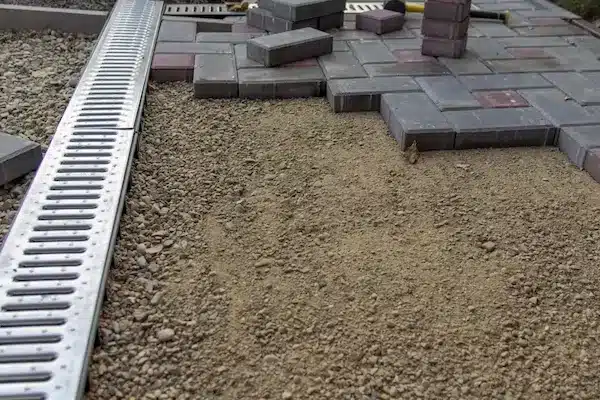
Rain can significantly impact the process of paving a driveway and the outcome. In this section, we will discuss how rain affects different stages of driveway paving and what specific problems it can cause.
- Base Material Compaction: Rain prevents proper compaction of the base material, resulting in a weak and unstable foundation for the driveway.
- Asphalt Adhesion: Asphalt struggles to adhere to a wet surface, leading to a driveway that is less durable and uneven.
- Surface Quality: The driveway’s final appearance may be compromised, showing potential roughness and unevenness.
- Curing Process Disruption: The necessary hardening process of the asphalt is disrupted by rain, making the driveway more susceptible to damage.
- Material Loss: Rain can wash away fine particles from the driveway’s surface, leading to a reduction in material and thickness.
- Surface Staining: Washed-away material can stain the driveway and surrounding areas, diminishing its appearance.
- Drainage Issues: Puddles formed by rain can lead to water damage and erosion over time.
- Work Delays: Rain can cause delays in the paving project, potentially extending construction time and increasing costs.
Best Practices For Paving In The Rain
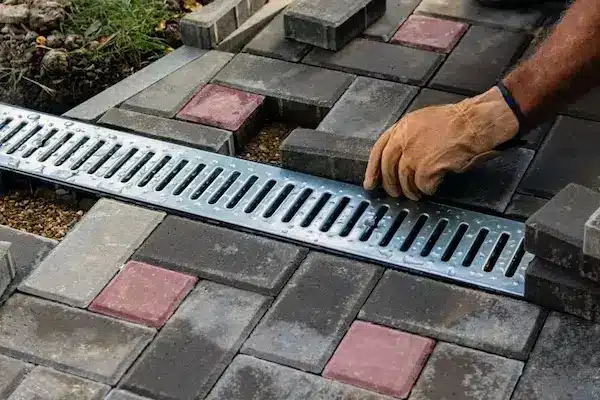
If you must pave your driveway in the rain, it’s essential to take extra precautions to ensure the project succeeds. Here are some best practices for paving in the rain:
Tips For Preparing The Area Before Paving
- Clear the Area: Remove any existing driveway material, debris, or vegetation to create a clean and clear workspace.
- Ensure Proper Drainage: Ensure the area has adequate drainage to prevent water accumulation, which can lead to damage over time.
- Compact the Base Material: Properly compact the base material to create a stable and firm foundation for the asphalt.
- Check the Slope: Ensure the area has the correct slope to facilitate water runoff and prevent pooling on the driveway surface.
- Use High-Quality Materials: Choose high-quality base materials and asphalt to ensure the longevity and durability of the driveway.
- Measure Accurately: Accurately measure and mark the area to ensure the correct dimensions and boundaries for the driveway.
- Consider Professional Help: If unsure about any step of the preparation process, consider hiring a professional to ensure the area is adequately prepared for paving.
Recommended Materials And Tools For Rainy Weather Paving
Using hot mix asphalt can be helpful in rainy weather, as it can be applied at higher temperatures and may be more resistant to water damage. Using a roller with a vibratory system can help ensure that the mix compacts properly, even in wet conditions.
Factors To Consider Before Paving In The Rain
Before deciding to pave a driveway in the rain, it’s essential to consider several factors to determine if it’s safe to proceed. Here are some factors to consider:
Conditions Under Which It Is Safe To Pave In The Rain
Light rain and intermittent showers may be safe conditions for paving as long as there is proper drainage to prevent standing water. However, heavy rainfall, thunderstorms, or high winds can make it unsafe to proceed with the project.
Risks Associated With Paving In Rainy Weather
Paving in the rain can increase the risk of accidents for workers due to slippery conditions. Wet weather can delay the curing process, further impacting the pavement’s quality and longevity.
There is also an increased risk of uneven surfaces and cracks due to water infiltration in the pavement.
Potential Risks And Consequences Of Paving In The Rain
Paving a driveway in the rain can lead to several potential risks and consequences impacting quality and longevity. Here are some potential risks and effects of paving in the rain:
Effects On The Quality And Longevity Of The Driveway Surface
Rain can wash away the top layer of asphalt and leave the surface uneven and prone to damage. Water can also dilute the asphalt binder, a crucial component in the pavement mix.
When the binder is weakened, the pavement’s durability and longevity are compromised, leading to cracking, potholes, and other types of damage.
Risks To Workers’ Safety And Health
Paving in wet conditions can pose safety risks to workers due to slippery surfaces. This can increase the risk of falls, slips, and other accidents. Workers may be at increased risk of exposure to hazardous substances such as asphalt fumes, which can pose health risks if not properly managed.
FAQs About Can You Pave A Driveway In The Rain
Is It Safe To Pave A Driveway In The Rain?
Paving a driveway in the rain is not ideal and can harm the quality and longevity of the pavement. While it’s possible to pave in light rain with proper precautions, waiting for dry weather is generally recommended to ensure a successful project.
Can Rainy Weather Affect The Cost Of Driveway Paving?
Rainy weather can affect the cost of driveway paving as it may require additional preparation work, such as installing drainage systems or using different paving materials, which can increase the project’s cost. Weather delays from rain also result in extra labor and equipment rental costs.
How Long Should You Stay Off Of A New Asphalt Driveway?
It’s recommended to stay off a new asphalt driveway for at least 24 to 48 hours after it’s been paved to allow it to cure properly. During this time, it’s essential to avoid driving or parking heavy vehicles on the surface.
Can You Do Block Paving In The Rain?
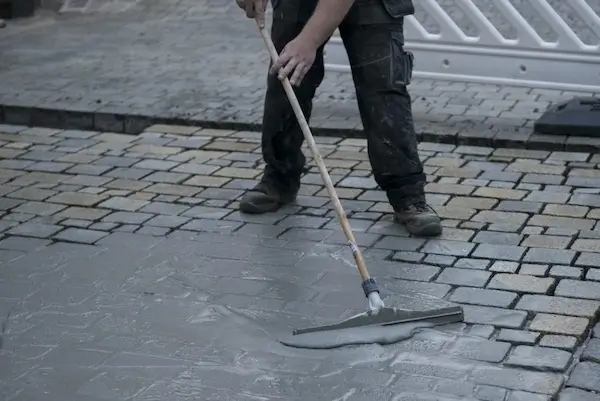
Block paving can be done in light rain with proper precautions, such as using polythene sheeting to cover the work area and removing excess water with a squeegee. However, heavy rain can make it unsafe to proceed with the project.
Conclusion
While it is tempting to pave a driveway in the rain, some significant risks and consequences must be carefully considered. However, in cases of heavy rainfall or severe weather conditions, it’s best to delay the project to ensure that the quality and longevity of the pavement are not compromised. This was all about whether you paving a driveway in the rain.


