Spray paint for chain link fence can work wonders! You know it’s not always a pretty sight if you’ve ever seen a dull, old chain link fence. But with the right spray paint, that fence can shine like new.
It’s not just about looks, though. Painting your fence can protect it from rust and damage. The best part? Using spray paint makes the job quick and even.
So, let’s dive deeper into the world of spray paint for chain link fences.
Choosing The Right Paint
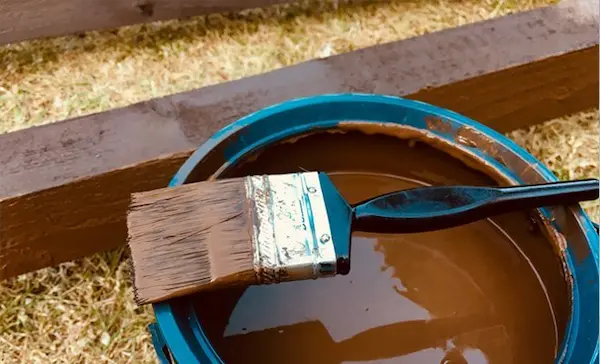
Paint Types For Chain Link
Acrylic Latex Paint
This type dries fast and cleans up with water. It will stick to the metal without a primer.
Oil-Based alkyd Paint
This paint takes longer to dry but offers a durable finish. You will often need a primer with this type.
Direct To Metal (DTM) Paint
Direct to metal paints are designed specifically for metal surfaces. It saves time because you don’t need a primer.
Color Selection Tips
Match With Surroundings
Look around. Select a color that fits well with your yard or building.
Go Neutral
Colors like black, brown, or gray are classic and timeless. They also make plants stand out.
Test First
Before painting the entire fence, test a small area. Check if you like the look during both day and night.
Rust-Resistant Options
Rust is a problem for metal fences. So, you will want paint that fights rust. Some paints have rust inhibitors.
They help to protect the metal from water and air. Always check the paint label. It will tell you if the paint is rust-resistant.
Eco-Friendly Choices

Low Or No VOC
VOC stands for Volatile Organic Compounds. Paints with low or no VOC are better for the environment.
Water-Based Paints
These paints are less harmful than oil-based ones. They release fewer chemicals into the air when they dry.
Check For Labels
Look for eco-friendly seals or labels on the paint can. They will show if the paint is safe for the environment.
Preparing The Fence
Cleaning The Surface
Before you paint, the fence needs to be clean. Dirt or grease will prevent paint from sticking. Use a mixture of soap and water to scrub the fence.
A hard-bristle brush works well. After scrubbing, rinse the fence with water. Let it dry completely before painting.
Rust Removal Techniques
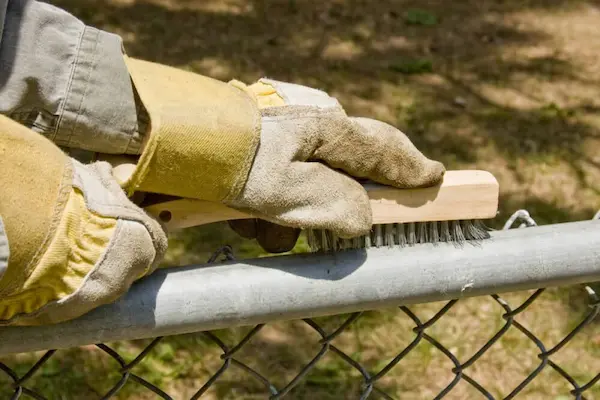
Wire Brush
Scrub the rusty areas with a wire brush until the rust comes off.
Sandpaper
After using the wire brush, smooth the surface with sandpaper.
Rust Converters
These are products you can apply to the rusted area. They will change the rust into a paintable surface.
Necessary Tools
To prepare and paint the fence, gather these 5 tools:
- Brushes and Rollers For applying the paint.
- Drop Cloths To protect the ground from paint drips.
- Painter’s Tape Helps keep paint off areas you don’t want painted.
- Safety Goggles and Gloves To protect your eyes and hands.
Safety Precautions
- Always use safety goggles and gloves.
- Work in ventilated areas. This is especially important if you use strong chemicals or paints.
- Keep children and pets away. Ensure they come near the fence when the paint is dry.
Weather Considerations

Avoid Rainy Days
Water can ruin fresh paint. Ensure there’s no rain in the forecast.
Not Too Hot Or Cold
Paint best when the temperature is between 50°F and 85°F.
Low Wind
Wind can blow dirt onto the wet paint or cause it to dry too fast.
Painting Techniques
Spray Vs. Brush Application
Spray Application
Spraying is faster and can cover large areas quickly. It’s great for even coverage. But you will need to protect surrounding areas from overspray. Make sure you use a paint sprayer meant for fences.
Brush Application
Using a brush gives you more control. It’s perfect for detailed work and hard-to-reach areas. Brushes can also give a thicker coat, which is protective. But it’s slower than spraying.
Uniform Coat Application
Work In Sections
Focus on one area of the fence at a time.
Maintain A Wet Edge
This means you overlap the fresh paint with new strokes. It helps avoid noticeable lines.
Load The Brush Or Sprayer Properly
Too much paint will cause drips. Too little won’t cover well.
Avoiding Drips And Streaks
Don’t Overload
Whether using a brush or sprayer, avoid using too much paint at once.
Paint In The Direction Of The Fence
When the fence is vertical, paint up and down. This will prevent streaks.
Check For Drips
After you finish a section, look back. Catch any drips while the paint is still wet.
Layering For Durability
Start With A Primer
A primer will help the top coat stick if your paint needs it.
Apply Multiple Thin Coats
2 or 3 thin coats will last longer than one thick coat.
Allow Proper Drying
Before adding another layer, let the previous coat dry fully.
Best Weather Conditions For Painting
No Rain
Water can wash away or dilute wet paint.
Moderate Temperatures
It’s best to paint when temperatures are between 50°F and 85°F.
Avoid Windy Days
Wind can introduce dust and debris, making the paint dry unevenly.
Maintenance And Aftercare

Regular Inspections
Schedule Checks
Set a time every few months to inspect your fence.
Look For Damage
Check for chips, cracks, or areas where the paint is thinning.
Identify Problem Areas
Parts of the fence, often in contact with water or heavy vegetation, are more prone to wear.
Touch-Up Painting
Keep Extra Paint
After painting, save some for future touch-ups.
Small Brushes
Use a small brush to touch up the paint for minor chips or scratches.
Match The Original
Ensure the touch-up paint matches the original in color and finish.
Cleaning Painted Fence
Gentle Cleaning
Use a soft cloth or sponge with soapy water to clean dirt or stains.
Avoid Harsh Chemicals
They can strip the paint or cause it to fade.
Rinse Thoroughly
After cleaning, rinse the fence with water to remove any soap residue.
Preventing Rust
Keep Dry
Ensure areas around the fence, like sprinklers, don’t constantly wet the fence.
Check For Scratches
Even tiny scratches can expose the metal and lead to rust. Touch them up promptly.
Use Rust-Inhibiting Paint
Consider using paint that prevents rust in a humid or rainy area.
Long-Term Maintenance Tips
Repaint Periodically
Over the years, the paint will wear out. Plan to repaint the fence every few years for the best protection.
Trim Nearby Vegetation
Plants growing too close can trap moisture and cause the paint to deteriorate faster.
Stay Informed
Paint technology evolves. New products will come onto the market that offer better protection and longevity.
FAQs
1. What Are The Advantages Of Painting A Chain Link Fence?
Painting a chain link fence enhances its appearance, protects against rust and corrosion, and extends its lifespan. It can also help blend the fence into your landscape or match your property’s aesthetic.
2. How Do I Choose The Right Spray Paint For My Fence?
Select a spray paint for metal surfaces, like rust-resistant enamel or acrylic-based paint. Ensure it offers durability and UV protection to withstand outdoor elements.
Choose a color that complements your property and follows local regulations if applicable.
Spray Paint For Chain Link Fence: Conclusion
Choosing the right spray paint for a chain link fence is like giving it a new lease on life. It’s not just a makeover; it’s protection and longevity rolled into one.
Remember, a well-painted fence looks good and stands firm against the challenges of time and weather.
It’s a small step that makes a big difference, ensuring your fence stays stylish and sturdy for years!