A chain link fence is a great way to secure a property. But over time, it can sag or become loose. There’s no need to panic if this happens! You can bring it back to its prime by stretching it.
Learning how to stretch chain link fence can save you both time and money. Instead of replacing the whole fence, you simply adjust it.
This process ensures that your fence remains tight and firm, giving your property the protection it needs.
The following guide will dive into the steps and techniques to help you stretch your chain link fence effectively.
Assessing Your Fence
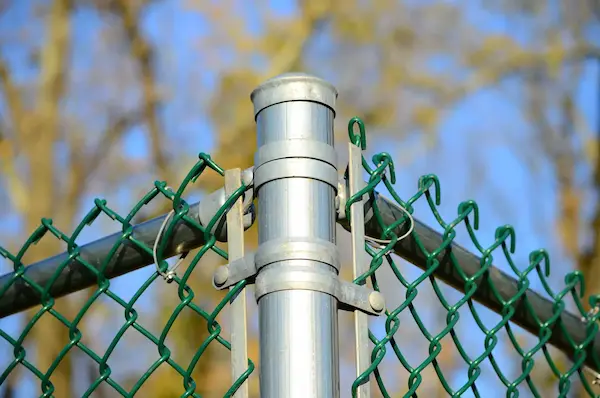
Inspection And Evaluation
Regularly checking your fence is essential for its health. Over time, wear and tear will affect its strength.
By doing a routine check, you will catch issues early. Look over every part closely, ensuring no damages or weak points exist.
Identifying Problem Areas
Some areas of your fence will show signs of damage before others. For wooden fences, rot or insect damage is typical. For metal fences, rust or loose parts are common problems.
You’ll save time and money by spotting these issues early. Make sure you check every section, even the ones that seem okay.
Measuring Tension Levels
A well-tensioned fence is crucial. It will stand tall and resist pressure. To check the tension, you can use a tension gauge. This tool will show if the fence is too loose or too tight.
A loose fence is easy for animals or people to push down. A fence that’s too tight will break more easily. Adjusting the tension to the right level is vital.
Fence Material Considerations
Different materials have different needs. Metal fences, for example, will rust if not properly treated. Wooden fences can rot or become food for pests.
Choosing the right paint or treatment for your fence material is important. This will help your fence last longer and stay strong.
Ideal Tension Standards
Every fence type has an ideal tension level. For instance, chain-link fences need a tight tension to remain effective.
On the other hand, electric fences need the right tension to deliver a proper shock.
By knowing the proper standard for your fence, you will ensure it serves its purpose well and lasts a long time. Always refer to guidelines when adjusting the tension of your fence.
Preparing For Stretching
Gather Necessary Tools
Before starting any fence stretching task, you will need the right tools. Collect tools such as fence pullers, pliers, wire cutters, and a tension gauge.
Having these tools ready will ensure a smooth process. Always remember to wear gloves to protect your hands.
Clearing Obstructions
Before stretching your fence, make sure the area is clear. Remove obstacles like rocks, plants, or debris near the fence line.
A clear work area will help you move freely. It also prevents any damage or injuries when stretching the fence.
Loosening Hardware
Before you stretch, the fence hardware needs loosening. This includes bolts, nails, or other fasteners. By loosening them, the fence will stretch evenly. After stretching, you will tighten them again to secure the fence in its new position.
Setting New Post Locations
When planning to move or add fence posts, mark the new locations now. Use stakes or flags to mark these spots. This step ensures you stretch the fence to the right length and position.
After stretching, you will have a clearer vision of where your fence will stand.
Securing Work Area
Safety is key when working with fences. Ensure your work area is safe for everyone around. This means keeping children and pets away. You also need to alert any neighbors or passersby about the ongoing work.
Doing this will prevent any accidents or disturbances during the fence stretching process.
Stretching Techniques
Manual Tensioning
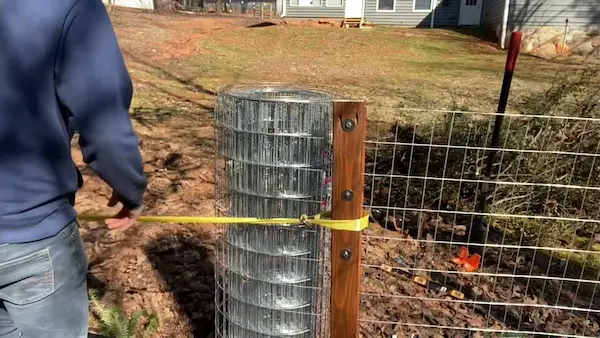
Manual tensioning is the simplest method. You will pull the fence tight using your hands. It works best for small areas. However, for bigger fences, this method requires more strength.
Pull from the bottom and work up to ensure an even stretch.
Using A Come-Along Tool
A come-along tool is a hand-operated winch. You attach one end to the fence and the other to a stationary point.
By turning the handle, you pull the fence tight. This tool offers better control and can stretch fences over longer distances than manual methods.
Ratcheting Strainers
Ratcheting strainers, also known as ratchet tensioners, are devices that grip onto the fence wire. When you turn the handle, they tighten the wire.
These strainers are easy to use and effectively achieve the right tension. They’re handy for wire fences.
Hydraulic Tensioners
Hydraulic tensioners use hydraulic power to stretch fences. They can generate a lot of force, making them ideal for large fencing projects.
You will attach the tensioner and a fixed point to the fence, then pump it to stretch it. This method ensures a consistent and even tension across the fence.
Tension Bands And Wire
Tension bands and wires help to maintain the fence’s tension after stretching. Bands wrap around fence posts, holding the fence in place. Wires run along the top or bottom of the fence, giving added support.
After stretching, these bands and wires keep the fence tight and upright. They play a crucial role in ensuring the fence remains effective over time.
Securing The Fence
Reattaching Hardware
Once the fence is stretched, securing it in place is vital. Reattach all hardware like bolts, nails, or clips you loosened earlier.
This ensures the fence maintains its new position and tension. Always double-check to see all hardware is fastened well.
Checking Alignment
After stretching, the fence lines should be straight. Check the alignment from one end to the other.
When you notice any dips or rises, correct them. A well-aligned fence looks good and provides better security and strength.
Post Strength Reinforcement
The fence posts bear the weight and tension of the fence. It’s essential to ensure they are solid and well-anchored.
You can reinforce them if any posts seem weak or shaky. Use concrete, metal braces, or additional soil to give them added strength and stability.
Tightening Tension Bands
Tension bands hold the fence against the posts. After stretching, check these bands and tighten them if necessary. A tight fit ensures the fence remains upright and taut.
It also reduces the chance of the fence sagging or coming loose.
Final Tension Inspection
Your last step is to inspect the overall tension of the fence. Use a tension gauge or press against the fence to test its firmness. The fence will be tight but not overly strained.
When you find any loose spots, you will need to adjust them. Ensuring even tension across the entire fence guarantees its longevity and effectiveness.
FAQs
1. Why Is It Important To Stretch A Chain Link Fence Properly?
Properly stretching a chain link fence ensures stability, prevents sagging, maximizes security, and provides a neat, professional appearance, extending the fence’s lifespan and functionality.
2. What Tools Are Required For Stretching A Chain Link Fence?
Essential tools for stretching a chain link fence include fence pullers, tension bars, come-along (cable pullers), and pliers. Proper gloves and safety gear are also recommended for protection.
How To Stretch Chain Link Fence: Conclusion
Understanding how to stretch chain link fence is valuable for any property owner. Not only does it save you from the cost of replacing the entire fence, but it also ensures your property stays secure.
A well-maintained fence stands tall, looks neat, and serves its purpose for years.
Following the right steps and using the proper tools can easily breathe new life into a sagging fence. It doesn’t matter whether you are stretching or cutting a chain link fence.
Remember, with a little effort and care, your chain link fence will continue to protect and beautify your property for a long time.