
Regarding your home’s first impression, your driveway plays a vital role. An asphalt driveway offers durability and a sleek appearance that can enhance your property’s curb appeal. But before you embark on this paving journey, there are essential details you should know.
Asphalt driveways, favored for their durability and affordability, can last 20+ years with proper care. While susceptible to weather extremes and heavy vehicles, regular sealing protects against wear, ensuring longevity and a refreshed appearance. Maintenance is critical for optimal performance and extended lifespan.
In the upcoming sections, we’ll delve into the critical aspects of asphalt driveways. Discover how this simple addition can transform the look and functionality of your property.
KEY Takeaways
- Durability: Asphalt driveways are highly durable, with a 20-30-year lifespan when properly maintained.
- Cost-Efficiency: They are cost-effective to install and can be resurfaced at a fraction of the replacement cost.
- Regular Maintenance: Routine sealing and repairs are essential to prolong the life and appearance of asphalt driveways.
How Long Does An Asphalt Driveway Last?
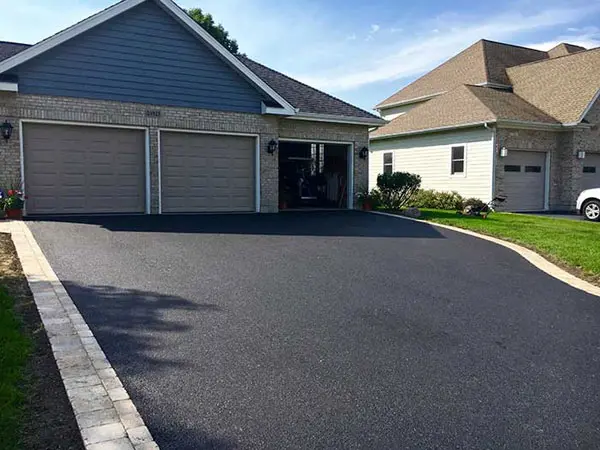
An asphalt driveway typically lasts between 20 to 30 years with proper maintenance. Regular sealing and repairs can extend its lifespan. Factors like climate, usage, and quality of installation affect durability. By addressing cracks and potholes and applying sealant every few years, you can maximize the longevity of your asphalt driveway.
Strength And Flexibility
Asphalt is strong but also flexible. Think of it like a strong tree branch bending in the wind without breaking. This flexibility helps it last longer, even if the ground shifts slightly or the weather changes.
Taking Good Care
Just like a garden needs watering, an asphalt driveway needs some care to stay healthy and strong. It’s like brushing your teeth to keep them clean and shiny if you fix little cracks when they’re still small. It stops more significant problems from happening later on.
A New Coat Sometimes
Sometimes, an asphalt driveway might need a new layer on top. This is called ‘sealing,’ like putting a fresh coat of paint on a fence. It makes the driveway look brand new and protects it from weather and wear.
It’s a good thing to do every few years, and it’s like giving your driveway a nice treat.
Friendly To The Environment
Asphalt driveways are also friendly to the Earth because old asphalt can be recycled and used again. It’s like taking old toys and making them new for someone else to play with.
A Happy Choice
Choosing an asphalt driveway is like picking a friendly pet to welcome you home daily. It looks good, lasts a long time, and doesn’t require too much. It’s a happy choice for many homes.
Asphalt Vs. Concrete Driveway
When choosing between an asphalt and concrete driveway, understanding the differences in cost, durability, maintenance, and appearance can help you make an informed decision.
Let’s check out which one is better in this asphalt vs concrete driveway comparison:
Team Asphalt: The Friendly Choice
Asphalt is like a cozy blanket for your car. It’s smooth, black, and soft when you walk or drive on it. People love asphalt driveways because they are more flexible, and that’s good!
Asphalt can move with it without cracking if the ground forces a little. It’s also friendlier to your wallet, usually costing less, and in winter, it helps the snow melt faster. Asphalt will be waving at you if you love comfort and friendliness.
Team Concrete: The Stylish Captain
Concrete, on the other hand, is like the fashionable star of the driveway world. Like a superhero, it’s strong and can last a long time without getting tired. Concrete driveways can be different colors, and they can even have fancy patterns.
Concrete might be calling your name if you want your driveway to look like a piece of art or stand tall like a castle wall. It might cost a little more, but it gives you many options to make your driveway look special.
The Weather Game
Weather is like a big game; both asphalt and concrete play it differently. Asphalt is warmer and can melt snow quickly, like a friendly sunbeam in winter.
Concrete is more excellent and can be a bit slippery when wet, but it’s tough and doesn’t mind the heat of summer. Both have ways of playing with the weather and can be winners!
Taking Care Of Your Team
Just like a pet needs care, asphalt and concrete driveways need some love, too. Asphalt might need a new coat every few years, like giving it a fresh outfit. The concrete might need to be sealed to keep it looking bright and shiny.
Both love being kept clean and being treated nicely. They’ll reward you by looking great and welcoming you home every day.
A Friendly Match
Choosing between asphalt and concrete driveways is like watching a friendly match between two great teams. Both are champions and have their special powers. Asphalt is like the friendly player that loves to hug your car.
Concrete is like the stylish captain that makes everything look elegant.
How To Fix A Crumbling Asphalt Driveway
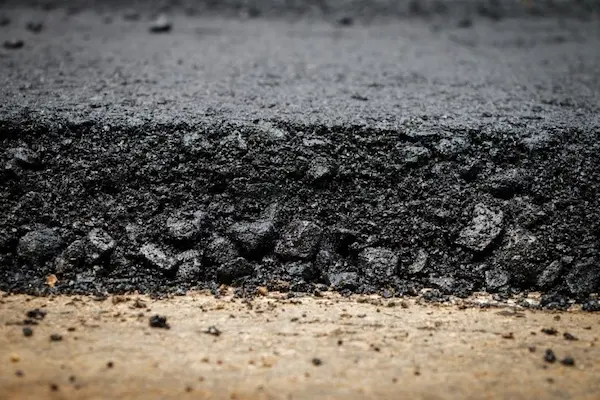
Fixing a crumbling asphalt driveway doesn’t have to be a daunting task. You can restore your driveway’s appearance and functionality by identifying the root cause of the issue and using suitable materials and techniques. Here are some steps to get you started:
Don’t Worry, Be Happy!
A crumbling asphalt driveway might look like a sad, broken toy, but fixing it is a fun adventure, and it’s not too hard!
You can make your driveway happy again, like fixing a flat tire on your bike or mending a tear in your favorite shirt.
Minor Fixes: Like Band-Aids For Driveways
For small cracks and holes, you can use unique materials to patch them up. It’s like putting band-aids on little cuts. These unique “driveway band-aids” are available in stores, and using them is like playing a fun puzzle game.
Fill in the cracks, smooth them out, and watch your driveway smile again!
More significant Fixes: Giving Your Driveway A New Outfit
Sometimes, the damage worsens, and you might need to add a new layer. Think of this as giving your driveway a new outfit to wear. This new layer, called a ‘seal coat,’ makes the driveway look shiny and new.
It’s like putting a fresh coat of paint on your favorite model car.
Major Fixes: A Brand-New Friend
Don’t be sad if the whole driveway is crumbling. This is a chance to make it brand new again! Professionals who know all about driveways can help you, and it’s like watching a team of artists create a masterpiece.
Your driveway will be like a brand-new friend, ready to welcome you home.
Prevention: Keeping Your Driveway Happy
The best way to fix a crumbling driveway is to keep it from crumbling in the first place! Just like brushing your teeth keeps them healthy, taking care of your driveway keeps it strong.
Regular cleaning, sealing minor cracks quickly, and being gentle when using it will make your driveway feel loved and cared for.
Goodbye, Winter Blues
In winter, the snow and ice can be harsh on driveways, but don’t worry! You can use unique salt that doesn’t hurt the asphalt. It’s like giving your driveway a warm winter coat to keep it safe from the cold.
Asking For Help: Friends In Shiny Trucks
Some friendly professionals drive around in shiny trucks filled with all the tools they need to fix driveways if you’re unsure what to do. They know all the secrets to making your driveway perfect again, and watching them work can be exciting!
A Happy Ending
Fixing a crumbling asphalt driveway is like taking care of a friend. With a bit of love, attention, and maybe some professional help, your driveway will smile again.
It’s an adventure you and your driveway can go on together, and in the end, your home will look beautiful and welcoming once more.
Can You Salt An Asphalt Driveway?
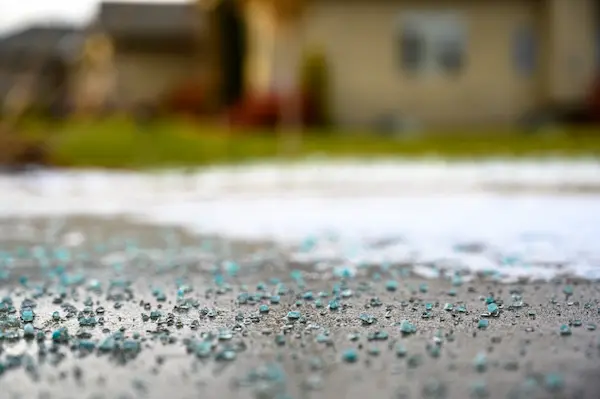
You can salt an asphalt driveway, but it’s not recommended. Salt can damage the surface of the driveway and cause cracks to form. Instead, consider using sand or a commercial ice melt product that is safe for use on asphalt.
The Right Salt: Picking The Perfect Snow Melting Friend
When it comes to choosing a suitable salt for melting snow, there are a few options to consider:
- Sodium chloride (rock salt) is the most common and affordable option. It works well in temperatures above 20°F (-6°C) and effectively melts ice and snow.
- Calcium chloride: This salt is more expensive than rock salt but works at lower temperatures, even down to -25°F (-32°C). It is also effective at melting ice quickly.
- Magnesium chloride: This salt is less damaging to vegetation and concrete than rock salt. It works well at temperatures down to 0°F (-18°C).
- Potassium chloride: This salt is a more environmentally friendly option, as it is less harmful to plants and pets. However, it is not as effective as other salts in colder temperatures.
How Thick Should An Asphalt Driveway Be?
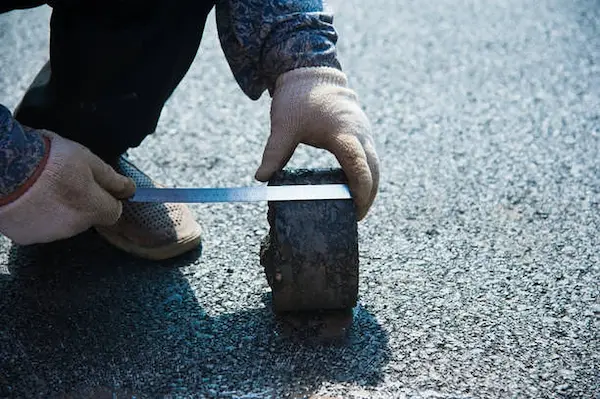
How to Find the Right Thickness for Your Asphalt Driveway?
Generally, a residential driveway should be at least 2-3 inches (5-7.5 cm) thick. However, if heavy vehicles such as RVs or trucks use the driveway, it may need to be wider to prevent cracking and damage.
It’s best to consult a professional contractor who can assess your needs and recommend the appropriate thickness for your driveway. They can also ensure the driveway is properly graded and compacted to prevent water damage and other issues.
Choosing The Right Asphalt Paving Companies
Choosing the right asphalt paving company is essential to creating a quality driveway. Like building a castle, you need the best builders to make it solid and beautiful. Online reviews are another great way to find the right paving company. People often write about their experiences online, giving stars and sharing what they liked or didn’t like.
Before deciding, meeting with potential paving companies and asking questions is a good idea. This process helps you learn more about them, understand how they’ll approach your project, and determine if they make you feel confident about their services.
Price is also an important consideration, and it’s like shopping for the perfect treasure. You want to find a company that offers a fair and reasonable price for their services. But don’t forget about licenses and insurance.
Can You Add Onto An Existing Asphalt Driveway?
Adding onto an existing asphalt driveway is possible but requires proper preparation and installation techniques. The process involves cleaning the existing surface, excavating the area to the desired depth, and applying a new layer of asphalt over the prepared area.
It’s essential to hire a professional contractor with experience with asphalt installation to ensure the new section is appropriately installed and bonded to the existing driveway. Following the recommended curing time is crucial to ensure the new asphalt layer is fully hardened and ready for use.
Asphalt Millings Driveway
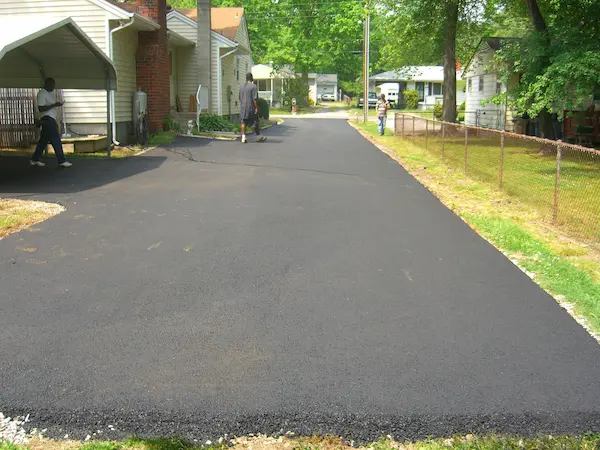
An asphalt milling driveway represents an innovative and eco-friendly way to construct a vehicle pathway. Unlike traditional asphalt, which requires new materials, millings are made from recycled.
The process of using asphalt milling starts with the collection of old asphalt from previous road projects or worn-out surfaces. These old materials are ground down into smaller pieces, which can be reused to create a new driveway.
Recycling these materials it’s like giving old roads a new life and contributing to a cleaner environment.
When To Seal A New Asphalt Driveway?
To ensure the longevity and durability of a new asphalt driveway, it is recommended to wait for at least 90 days for the asphalt to cure before sealing it. This allows the driveway to fully harden and stabilize. Additionally, it is essential to check that the surface is completely dry before applying the sealer to ensure proper adhesion.
Choosing the right time to seal a new asphalt driveway is crucial. Sealing the driveway during warm and dry weather conditions is best, avoiding rainy or humid periods. Following a regular maintenance schedule, which includes cleaning, crack filling, and resealing every 2-3 years, will help keep the driveway in good condition and extend its lifespan.
Conclusion
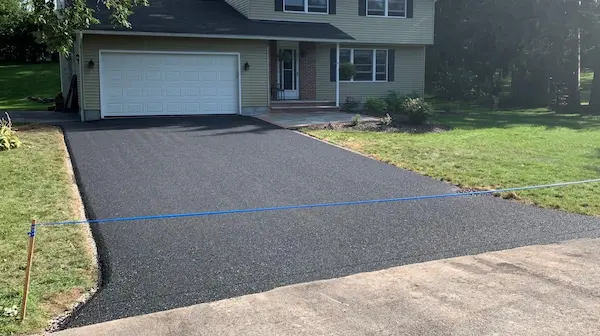
Asphalt driveways are a durable and cost-effective option for homeowners, lasting between 20 to 30 years with proper care. Maintenance like regular sealing and crack repair can prolong its lifespan.
They’re environmentally friendly, as old asphalt can be recycled. The article also compares asphalt to concrete driveways in terms of cost, durability, and aesthetics. Proper installation and maintenance, such as timely sealing, are crucial for longevity.


