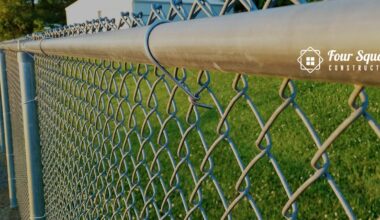
Building a wire fence with metal posts is a practical and efficient way to secure your property. This method combines the strength of metal with the versatility of wire, making it ideal for various applications, from farm fencing to backyard boundaries.
To build a wire fence with metal posts, start by planning the layout and determining the post spacing. Next, install the metal posts into the ground, ensuring they are properly anchored. After that, attach the wire to the posts, either by weaving or using specific fencing hardware.
In the following sections, we will dive deeper into the specifics of each step in building a wire fence with metal posts.
KEY Takeaways
- Choosing Materials: Select durable metal posts and appropriate wire types based on your fencing needs and environmental factors.
- Setting Posts: Ensure posts are evenly spaced, securely anchored in the ground, and aligned for a sturdy fence structure.
- Attaching Wire: Attach the wire securely to the posts, maintaining tension for a fence that’s both functional and long-lasting.
Gathering Materials And Tools
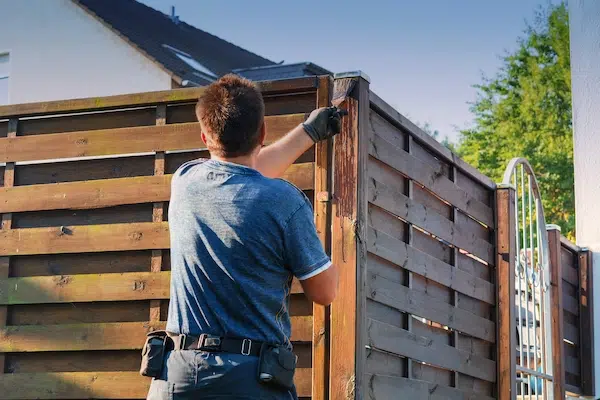
Before we get started on building the fence, it’s crucial to gather all the right stuff. You don’t want to pause your work just because something is missing. Let’s consider the 5 factors you’ll need for a strong and secure fence.
Gathering Materials And Tools
Before diving into the construction of your wire fence, it’s essential to ensure you have all the necessary materials and tools on hand. There’s nothing more frustrating than having to pause your work because you’re missing a crucial component. In this guide, we’ll cover the five key factors you need to consider to build a strong and secure fence.
From choosing the right type of wire to selecting the best metal posts, we’ll guide you through each step to make sure your fence is both durable and effective.
Choose Wire Fence Type
The cornerstone of your fence is the wire itself, and there are several types to choose from, each suited to different needs. For garden fencing, welded wire is often the best choice due to its strength and neat appearance. However, if you’re fencing for livestock, woven wire might be preferable because of its flexibility and durability.
Take the time to consider what you need from your fence and choose a wire type that aligns with those needs.
Select Metal Fence Posts
Metal fence posts are the backbone of your structure, providing essential support. When selecting posts, opt for materials like galvanized steel or aluminum to prevent rusting and ensure longevity. These posts typically come in lengths ranging from 5 to 8 feet, so choose a size that matches the desired height of your fence. The correct post height is critical for a secure and stable fence.
Acquire Necessary Tools
Having the right tools is crucial for efficient and effective fence installation. Essential tools for this project include a hammer, pliers, wire cutters, and a post-hole digger. If you don’t already own these tools, consider renting them from a local hardware store. Proper tools will not only make the job easier but also help ensure a higher-quality result.
Get Safety Gear
Never underestimate the importance of safety. Before starting, equip yourself with the necessary safety gear. This includes gloves to protect your hands from sharp wires, safety glasses to keep your eyes safe, long pants to guard your legs, and sturdy boots to protect your feet. Safety should always be a top priority in any construction project.
Prepare Work Area
Preparing your work area is a crucial step before beginning the actual fence construction. Clear any obstacles such as rocks or plants that might be in your way. Measure and mark the spots where your posts will be placed, ensuring that the ground is level. A well-prepared work area is key to a smooth and successful fence installation.
Installing Metal Posts
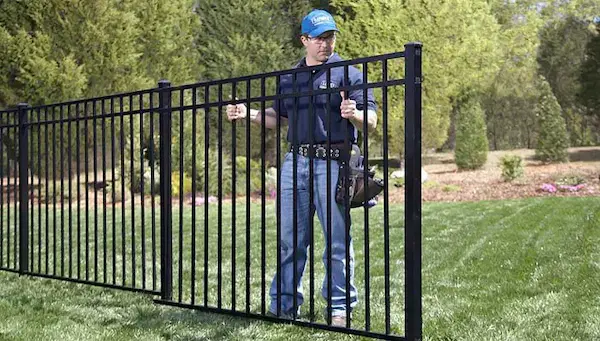
Building a strong and durable wire fence starts with the proper installation of metal posts. This section will walk you through the process from measuring and marking your post locations to ensuring each post is securely set in concrete for maximum stability.
Measure And Mark Post Locations
Begin by precisely measuring the area where your fence will be installed using a tape measure. Accuracy here is crucial for a well-aligned fence. Once you have your measurements, use wooden stakes to mark the exact locations where each metal post will be placed. Ensuring that these markers are properly aligned is vital for the overall strength and appearance of your fence.
Dig Post Holes
With your post locations marked, it’s time to start digging. Using a post hole digger or a shovel, create holes at each marked spot. The ideal depth for these holes is about two feet, providing sufficient anchorage for your fence.
Additionally, make the holes slightly wider than the posts to allow room for concrete, which will add further stability. Accurate and well-sized holes are essential for a sturdy fence structure.
Insert Metal Fence Posts
After preparing your holes, remove the stakes and insert the metal posts into them. It’s imperative to ensure each post is perfectly vertical for a straight and stable fence. Use a level to check the alignment and make adjustments as necessary. Achieving perfectly vertical posts at this stage sets the foundation for a well-constructed fence.
Use Concrete For Stability
To secure the posts firmly, fill the holes with concrete. As you pour the concrete, use a stick to poke around and release any trapped air bubbles, ensuring a solid fill. Smooth out the top of the concrete with a trowel for a neat finish. This step is crucial as properly set concrete forms the strong foundation your fence needs to withstand various elements.
Allow Posts To Settle
The final step in the installation process is to allow the concrete to dry and set completely. This usually takes about 24 to 48 hours. It’s important not to rush this step; giving the concrete ample time to harden ensures that your metal posts are securely anchored, providing a robust base for your wire fence.
Attaching Wire Fence
After setting up your metal posts, the next important step is attaching the wire fence. Follow these 5 steps to do it the right way.
Unroll And Stretch Wire
Begin by unrolling your wire fence alongside the first metal post. It’s helpful to have someone assist you in stretching the wire as you unroll it. Ensuring the wire is taut is fundamental; a tight wire fence is synonymous with strength and durability. Properly stretched wire forms the base for a securely attached fence.
Attach Wire To First Post
Now, securely wrap the wire around the first metal post. Utilize fence clips or a robust wire to tie it in place, ensuring it’s tight and snug against the post. A firmly attached start is key, as it sets the tone for the entire fence, both in terms of strength and ease of installation.
Secure Wire Tensioners
Wire tensioners play a pivotal role in maintaining the tightness of your fence. Install these tensioners at various intervals between the posts. Their job is to keep the wire fence consistently taut, which is essential for both aesthetic appeal and longevity. Ensure each tensioner is attached firmly for optimal tension throughout the fence.
Weave Wire Through Posts
As you progress, weave the wire through the designated holes in the metal posts. This methodical threading is crucial for maintaining a straight and tight fence line. A well-aligned fence not only looks professional but also promises greater durability. Pay special attention to ensure that the wire runs securely through every post.
Finish With Final Post
Upon reaching the last post, wrap the wire around it as you did with the first. Again, use fence clips or wire to tie it off tightly. It’s important to double-check the entire fence line to make sure every section is secure and properly tensioned. Completing this step marks the successful installation of your wire fence, now ready to stand strong and serve its purpose.
Securing And Finishing
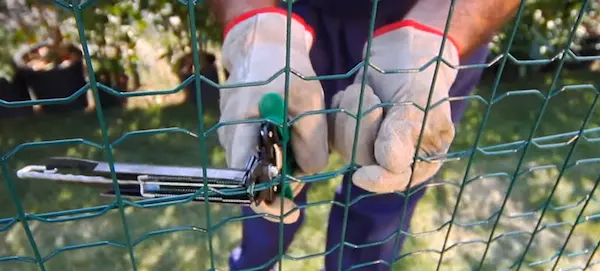
The final steps in constructing your wire fence are crucial for ensuring its durability and aesthetic appeal. This section will guide you through the process of tightening, trimming, and securing your fence, as well as adding finishing touches like gates and accessories.
Tighten Wire Tensioners
Begin by revisiting the wire tensioners you installed earlier. Use a suitable tool to tighten each tensioner effectively. The key here is to achieve a balance where the wire is tight enough to provide strength and safety, but not so tight that it causes undue stress on the posts. Make sure each tensioner is adjusted to hold the wire firmly, ensuring overall sturdiness for your fence.
Trim Excess Wire
Inspect the fence for any excess wire and trim it off using wire cutters. This step is essential for safety and aesthetics. A fence with neatly trimmed wires looks professional and well-maintained, and it also eliminates the risk of accidents caused by protruding wire ends. Take care to cut the wire cleanly to avoid leaving any sharp edges.
Add Wire Ties Or Clips
For additional security and stability, attach wire ties or clips at strategic points along the fence. These small but significant additions help lock the wire against the metal posts, further reinforcing the fence’s structure. A fence with well-placed ties or clips is more resilient and can better withstand environmental stresses.
Inspect And Adjust For Tautness
Conduct a thorough inspection of your entire fence. Look for any sections where the wire might be loose or sagging and adjust as needed. Ensuring that the entire fence is taut and well-aligned not only enhances its strength but also contributes to its overall appearance. A consistent tension across the fence makes it more effective and visually pleasing.
Attach Gates And Accessories
If your fence design includes gates, latches, or postcaps, now is the time to install them. Follow the installation guidelines provided by the manufacturers for each accessory. Ensure that every component is securely fitted and functions as intended. Properly installed gates and accessories not only improve the usability of your fence but also add to its aesthetic value.
FAQs
1. What Type Of Wire Is Best For Fencing?
The best type of wire for fencing largely depends on the specific purpose and environment. For livestock, woven wire is highly recommended due to its flexibility and strength. For gardens or property boundaries, welded wire offers durability and a cleaner appearance.
2. How Deep Should Metal Fence Posts Be Installed?
Metal fence posts should typically be installed at a depth of about one-third of their above-ground height for stability. For a standard 6-foot fence, posts are usually set about 2 feet deep. However, in regions with severe weather or for taller fences, a deeper installation will be necessary.
3. Can I Build A Wire Fence On Uneven Ground?
Yes, you can build a wire fence on uneven ground, but it requires careful planning and adjustment. The key is to keep the top of the fence level while stepping the posts and wire down or up in sections to match the terrain.
How To Build A Wire Fence With Metal Posts: Conclusion
Congratulations, you’ve made it through all the steps on how to build a wire fence with metal posts! You’ve measured, dug, set your posts, and attached your wire.
Your new fence is not just a structure; it’s a testament to your hard work and skill. Now you can enjoy the benefits of a strong, lasting fence that’s perfect for keeping your area secure or just adding a neat boundary.
So, give yourself a pat on the back! Your fence is up, secure, and ready to last for years to come. Well done!