Vinyl fencing is a popular choice for homeowners seeking durability and style. The correct installation height of a vinyl fence is crucial for its effectiveness and longevity. Understanding this can make a significant difference in maintaining the integrity and appearance of your fence.
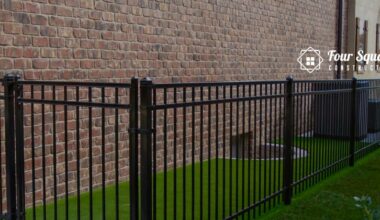
The ideal height for a vinyl fence off the ground is typically between two and five inches. This spacing prevents water damage, soil buildup, and pest infestation while ensuring the fence remains stable and secure. Properly positioned, a vinyl fence enhances property aesthetics.
In the following sections, we will delve deeper into the importance of the correct installation height for vinyl fences
KEY Takeaways
- Optimal Height Range: Generally, vinyl fences should be 2 to 5 inches off the ground to ensure stability and prevent damage.
- Protection Against Elements: This clearance helps protect the fence from water damage, soil buildup, and potential rusting.
- Pest Prevention: Adequate spacing deters pests and small animals from burrowing under or damaging the fence.
Ground Clearance Guidelines
In this section, we’ll discuss ground clearance guidelines for vinyl fences, focusing on the ideal height for stability, maintenance, and overall effectiveness of your fencing installation.
Follow Manufacturer’s Recommendations
Every vinyl fence manufacturer provides specific guidelines for installation, including the recommended height from the ground. These recommendations are based on the design and material of the fence to ensure optimal performance and longevity. It’s crucial to consult the manufacturer’s instructions before beginning the installation process.
Adhering to these guidelines not only ensures that your fence functions as intended but also helps maintain its warranty. Manufacturers understand their products best, so their advice on height can be invaluable for both aesthetic appeal and structural integrity.
Consider Local Building Codes
Local regulations and building codes often dictate the specifications for fence installations, including ground clearance. These rules are in place to ensure safety, uniformity, and sometimes even aesthetic standards within a community. Before you start installing your fence, it’s essential to check with your local building authority.
Failing to comply with these codes can result in fines or a requirement to modify your fence, so understanding and adhering to these regulations is key for a legally compliant and hassle-free installation.
Assess Terrain And Landscape Factors
The terrain and landscape of your property play a significant role in determining the appropriate height of your vinyl fence from the ground. For instance, fences on flat terrain might require a different approach compared to sloped or hilly landscapes. In uneven areas, the fence may need to be adjusted at different points to maintain a level top line.
Assessing the terrain before installation helps in achieving not only an aesthetically pleasing but also a functional and secure fence. This step is crucial to ensure that the fence adequately meets your privacy and security needs while complementing the natural landscape.
Account For Fence Panel Expansion
Vinyl, like many materials, responds to temperature changes through expansion and contraction. In warmer climates, vinyl fence panels can expand slightly, while in colder temperatures, they may contract. When determining the ground clearance, it’s important to factor in this potential movement to avoid warping, buckling, or creating gaps under the fence.
Providing enough clearance to accommodate these changes can extend the lifespan of your fence and keep it looking great throughout the seasons.
Allow For Adequate Maintenance Access
Maintenance is key to keeping your vinyl fence looking its best. When deciding on the fence’s height off the ground, consider the ease of access for cleaning and repairs. Ensuring that there is enough space beneath the fence for tools and movement can make regular upkeep much simpler.
This space should be sufficient to prevent debris accumulation, allow for water drainage, and facilitate easy cleaning of both the fence and the ground area around it. Proper maintenance access not only helps preserve the appearance of your fence but also contributes to its overall durability and functionality.
Read this informative article to explore more about vinyl fence colors.
Factors To Consider
In this segment, we delve into various factors to consider when installing a vinyl fence, such as terrain, climate, and usage, to ensure optimal performance and longevity.
Privacy Requirements And Preferences
The level of privacy you wish to achieve with your fence plays a significant role in determining its height. A taller fence is ideal for those seeking maximum privacy. It’s important to consider your privacy needs before construction begins. Think about the visibility of neighboring properties or streets.
Your fence should provide a level of seclusion and privacy that meets your lifestyle and comfort. Customizing the height based on your specific privacy requirements will ensure that your outdoor space feels like a true sanctuary.
Security Concerns And Deterrent Purposes
Fences serve not just as boundary markers but also as security barriers. A taller fence can be an effective deterrent against intruders and can enhance the security of your property. When security is a priority, consider opting for a height that discourages unauthorized entry.
This doesn’t just protect your property, but it also contributes to your peace of mind. Remember, a fence that is difficult to climb or breach can be a significant asset in protecting your home and loved ones.
Dealing With Sloped Or Uneven Ground
When installing a fence on sloped or uneven terrain, adjusting the height of the fence becomes crucial for maintaining a consistent, aesthetically pleasing appearance. Properly addressing the contours of your land in the design of your fence ensures it not only looks balanced but also functions effectively.
Assessing the ground’s slope and making necessary adjustments in the fence height at various points can help achieve a visually harmonious look. This step is essential for both the fence’s aesthetic appeal and its structural stability.
Mitigating Potential Moisture Damage
Moisture is a common adversary for fences, particularly those installed too close to the ground. Raising the fence slightly above the ground level can significantly reduce the risk of water damage. This preventative measure helps in maintaining the fence’s integrity and prolonging its lifespan.
A properly elevated fence allows for better air circulation and reduces the chances of water pooling at the base, thereby mitigating rot, mold, and mildew. This consideration is especially important in areas prone to heavy rainfall or damp conditions.
Addressing Weed Growth And Debris Accumulation
The accumulation of weeds and debris around a fence can be more than just an eyesore; it can also lead to damage over time. A fence that is raised slightly off the ground facilitates easier maintenance, allowing for quick removal of weeds and debris. This clearance helps in preventing the buildup of organic materials that could potentially harm the fence material.
Regular cleaning and maintenance are more manageable with this added space, ensuring that your fence remains in good condition and continues to enhance the beauty of your property.
Proper Installation Techniques
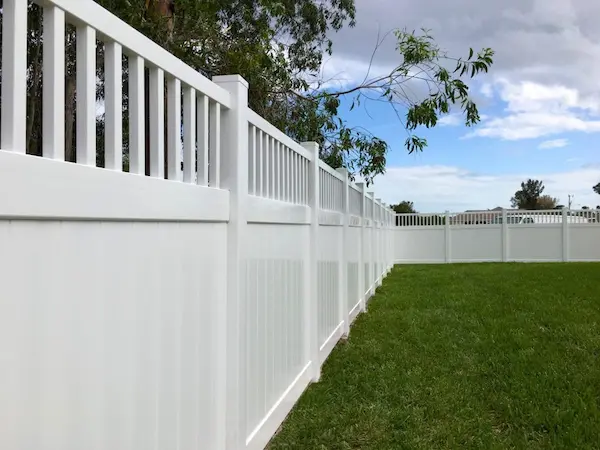
This part covers proper installation techniques for vinyl fences, highlighting key steps like leveling the ground and spacing posts correctly to ensure a strong, durable fence.
Proper Installation Techniques
Proper installation is crucial for the longevity and effectiveness of your vinyl fence. Employing the right techniques not only ensures that the fence serves its purpose but also enhances its aesthetic appeal and structural integrity. In this section, we will discuss key aspects of the installation process.
Establishing A Level Foundation
The foundation is the starting point of any fence installation. Ensuring that the ground is level is essential for a strong and durable fence. A level base provides uniformity, aiding in the correct placement and height determination of the vinyl fence. Preparing a flat, even surface before installation can prevent future problems like leaning or sagging, ensuring your fence remains both functional and visually appealing for years to come.
Using Appropriate Post Spacing
Post spacing is a critical aspect of fence installation. The correct distance between posts is necessary to maintain the fence’s stability and resilience. This spacing impacts the fence’s ability to withstand various environmental factors such as wind and weight. Careful measurement and consistent spacing ensure that the fence remains upright and robust, enhancing its longevity and reducing the need for frequent repairs.
Installing Concrete Footings Or Piers
Concrete footings or piers provide a solid foundation for your fence, anchoring it firmly in place. These structures are inserted into the ground and support the fence posts, offering increased stability and strength. Proper installation of concrete footings is crucial for preventing shifting and tilting of the fence over time.
They are especially important in areas with unstable soil or extreme weather conditions, as they help maintain the structural integrity of the fence.
Utilizing Post Caps Or Bases
Post caps or bases are an important component in fence installations. They serve to protect the posts from moisture and debris, extending the life of the fence. These additions prevent water from seeping into the posts, reducing the risk of rot and decay.
Besides their practical function, post caps and bases also add an aesthetic touch, giving the fence a finished and polished look. Their use is a smart investment in both the longevity and appearance of your vinyl fence.
Ensuring Proper Alignment And Stability
The alignment and stability of your fence are key to its functionality and appearance. Throughout the installation process, it’s important to check that the fence is straight and well-balanced continually. A properly aligned fence not only looks better but also withstands environmental stresses more effectively.
Stability is crucial to prevent leaning or collapsing, especially in areas prone to high winds or heavy loads. Regular checks and adjustments during installation can save time and expense in the long run.
FAQs
1. Should Vinyl Fence Touch The Ground?
A vinyl fence should not touch the ground directly. Keeping it raised 2 to 5 inches allows for proper drainage, prevents damage from moisture, and deters pests. This clearance is essential for the fence’s longevity, stability, and maintenance, ensuring it remains durable and effective over time.
2. Should There Be A Gap Under Vinyl Fence?
Yes, there should be a gap under a vinyl fence.** This gap, typically between 2 to 5 inches, allows for adequate drainage and air circulation, reducing moisture-related damage. It also helps in preventing pest infestation and soil buildup, thereby extending the fence’s lifespan and maintaining its appearance.
3. What Is The Maximum Height Of A Vinyl Fence?
The maximum height of a vinyl fence typically depends on local regulations and the fence’s purpose.** Generally, residential vinyl fences can range up to 6 feet for privacy, while decorative fences might be shorter. Always check local building codes to determine the permissible maximum height in your area.
How Far Off The Ground Should A Vinyl Fence Be: Conclusion
So, you’ve learned how high a vinyl fence should be off the ground. We’ve covered various factors like the land’s layout, your privacy preferences, and installation techniques. All these aspects influence your fence’s height.
It’s crucial to consider these before you begin construction. Your fence significantly contributes to your yard’s aesthetics and security. It can enhance your yard’s beauty and maintain your privacy.
Be diligent when you’re building your fence. Ensure it’s perfect for your needs. With the right care and attention, your fence will serve you well for a long time!
Want to read more fence-related blogs? Then check a comparison between the shadow box fence and the board on board.