Cutting a chain link fence appears difficult but manageable with the correct tools and methods. Understanding how to cut a chain link fence correctly is crucial, whether for repairs, adjustments, or removal.
To cut a chain link fence, you’ll need tools like bolt cutters, reciprocating saws, or wire cutters. Measure and mark the section you want to cut, ensuring accuracy. Use the appropriate tool for cutting depending on the wire’s thickness and the section’s size.
In this guide, we’ll walk you through how to cut chain link fence, from preparation to the actual cutting and disposal.
Gather Your Tools
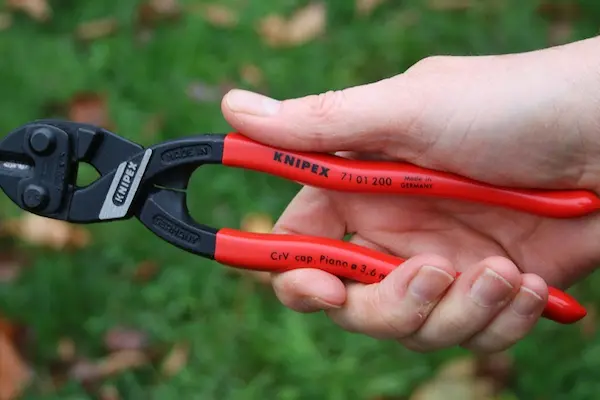
Cutting a chain link fence requires specific tools and safety measures. This section will guide you through selecting the right tools and preparing safely for the task.
Essential Tools
- Bolt Cutters: Ideal for chain link fences, choose a comfortable size (24-36 inches).
- Wire Cutters/Hacksaw: Use wire cutters for small trims and a hacksaw for thicker sections.
- Keep Tools Sharp: Ensure tools are in good condition for easier, safer cutting.
Safety Gear
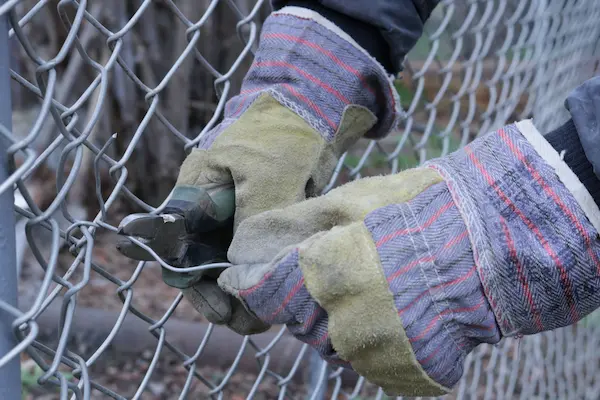
- Wear heavy-duty gloves to guard your hands against sharp edges.
- Use safety goggles to protect your eyes from metal fragments.
- Long sleeves and pants shield skin from scratches.
- Sturdy boots safeguard feet in case of dropped tools.
- Always ensure safety gear is in good condition before starting.
Preparation Checklist
Before you begin cutting, it’s essential to prepare. First, inspect the area around the fence. Ensure no obstacles could hinder your movement or pose a danger. When the fence is near electrical lines, be extremely cautious.
Next, check the weather. Avoid cutting the fence during wet or windy conditions, as this is hazardous. Ensure you have all your tools and safety gear ready.
Choosing The Right Blade
Choosing the right blade for your hacksaw is essential for efficiency and safety. You will need a blade specifically designed for cutting metal for chain link fences.
These blades have fine, closely spaced teeth that make clean cuts through metal without too much effort.
The blade must be long enough to cover the diameter of the fence wire, usually around 18 to 24 inches. Check the blade for any signs of wear or damage before you start, and replace it if necessary to ensure a smooth cutting process.
Measure And Mark
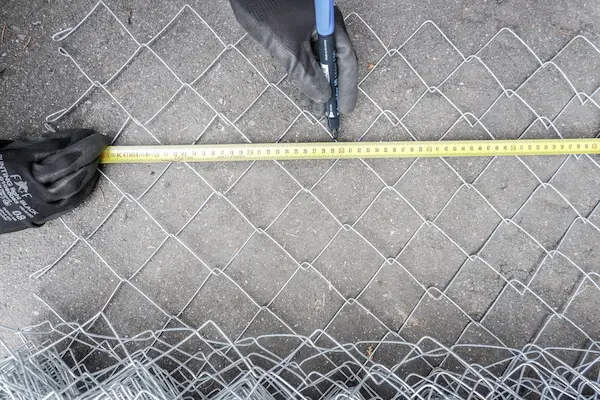
This section will guide you through measuring the length you need to cut, marking the fence, double-checking your measurements, and considering gate posts.
Measure The Desired Length
First, determine how much of the fence you need to cut. Use a tape measure for accuracy. Start from one end of the section you intend to cut and extend the tape to the desired length. Be precise.
For removing a section, measure between fence posts. For trimming, measure the exact length of the wire you need to remove. Write down the measurement to avoid any confusion later.
Marking The Cutting Line
After measuring, mark the fence where you’ll cut. Use a bright-colored chalk or a washable marker so the line is clear.
Make a straight line along the entire length you plan to cut. This line guides and helps ensure your cut is straight and precise.
Double-Check Measurements
Always double-check your measurements. This step is vital to avoid errors. Mistakes in cutting can lead to extra work or the need to replace parts of the fence. Measure the length again to confirm it matches your initial measurement.
Spending a little extra time verifying is better than making a costly mistake.
Account For Gate Posts
When your cutting involves gate posts, consider their placement carefully. Measure the distance from the gate post to where you plan to cut. Ensure the cut won’t affect the gate’s operation.
The gate should have enough space to open and close without hindrance.
Cutting The Chain Link Fence
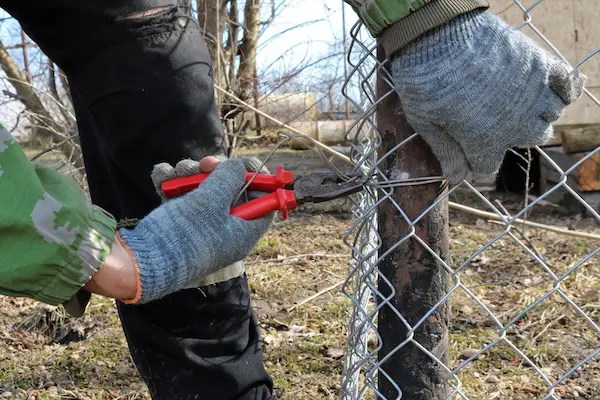
This section will explore different methods for cutting a chain link fence effectively. Each method has its advantages and is suited for different parts of the cutting process.
Using A Reciprocating Saw
A reciprocating saw is an excellent tool for cutting through chain link fences, especially for large sections. To use it, first ensure you have a metal-cutting blade attached.
Wear your safety gear, including gloves and goggles. Position the saw blade against the marked line on the fence. Hold the saw steady and start cutting along the line.
Apply steady pressure, but don’t force the saw – let the blade do the work. This method is fast and efficient but requires some experience to handle the tool safely.
Using Bolt Cutters
Bolt cutters are ideal for cutting through individual fence links. They are easier to handle than a saw and don’t require electricity. To use them, open the cutters and place the jaws around the wire you want to cut.
Ensure the cutters are positioned as close to the marked line as possible. Then, apply firm pressure to the handles to snip through the wire. Bolt cutters are great for smaller, more precise cuts.
Manual Cutting With Pliers
For very precise or minor cuts, manual cutting with pliers is effective. This method is slower but gives you more control.
Use heavy-duty pliers designed for cutting metal. Position the pliers on the wire to cut close to your mark.
Then, apply pressure to the handles to cut through the wire. This method requires more hand strength and is best for minor adjustments or trimming.
Cutting Tension Wire
The tension wire runs along the bottom of a chain link fence and is more challenging to cut. For this, you can use either bolt cutters or a reciprocating saw.
When using bolt cutters, apply the same technique as fence links. When using a saw, ensure you have a stable position and cut carefully along the wire.
Removing The Cut Section
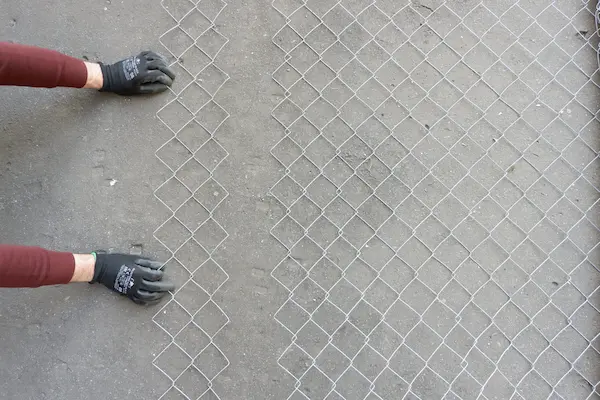
This section will guide you on detaching the fence from the post, handling the removed fence, safe disposal options, and recycling chain link material.
Detaching From Post
Once the fence is cut, you must detach it from the fence post. Start by loosening ties or fasteners connecting the fence to the post. Use pliers or a suitable tool to remove these connections carefully.
Handling The Removed Fence
After detaching the fence from the post, carefully handle the removed section. The cut edges are sharp, so wear gloves and protective clothing. Roll the fence section into a manageable size for easy transport.
Safe Disposal Options
Disposing of the removed fence is done safely and responsibly. Check with your local waste management services for guidelines on removing metal materials.
Some areas have specific rules for disposing of such materials. Consider hiring a waste removal service, especially for larger projects.
Recycling Chain Link Material
Recycling is an environmentally friendly option for disposing of chain link fence material. Many recycling centers accept metal and can recycle chain link fences. Contact local recycling centers to inquire about their policies and whether they accept such materials.
Recycling not only helps in reducing waste but also conserves resources.
When preparing the fence for recycling, remove non-metal parts, such as plastic or rubber ties, as these will not be recyclable.
FAQs
What Is The Best Tool To Cut A Chain Link Fence?
The best tool to cut a chain link fence is bolt cutters. They are strong and can easily snip through the metal wires. Bolt cutters are simple, making them great for big and minor cuts.
They also don’t need electricity so that you can use them anywhere.
How Do You Cut A Chain Link At Home?
To cut a chain link fence at home, first measure and mark where you need to cut. Then, use bolt cutters or a reciprocating saw for the job.
Bolt cutters suit smaller, effortless cuts, while a saw is better for bigger sections.
How To Cut Chain Link Fence: Conclusion
Cutting a chain link fence is a big job, but you can do it if you plan carefully, use the right tools, and stay safe.
Make sure you measure the fence right and choose the best tool for the job, like bolt cutters for small parts or a saw for big sections.
Always wear safety gear like gloves and goggles to keep yourself safe. And after you’re done cutting, or removing the chain link fence, remember to throw away or recycle the fence pieces the right way.