Wire and wood fences offer a unique blend of functionality and aesthetics, making them a popular choice for various property types. Combining the strength of wire with the natural beauty of wood, these fences are versatile and practical.
These fences provide sturdy and reliable containment for pets and livestock, while also adding a rustic charm to properties. The combination of materials allows for various design options, ensuring both security and visual appeal. This type of fence is especially useful in rural settings.
In the following content, we will explore the key aspects of wire and wood fences. Whether you’re a homeowner or a farmer, this information will help you understand how to utilize this fencing style for your needs best.
KEY Takeaways
- Versatile Design: Wire and wood fences offer a blend of durability and natural aesthetics, suitable for rural and suburban properties.
- Functional Benefits: These fences provide effective animal containment and mark property boundaries while maintaining visibility.
- Maintenance Insights: Regular upkeep of wire and wood fences involves checking for wear, treating wood, and ensuring wire integrity.
Benefits of Combining Wire and Wood for Fencing Solutions

In this section, we will explore the unique advantages of combining wire and wood in fencing solutions. By blending the strength and durability of wire with the aesthetic appeal of wood, this approach offers a range of benefits suitable for various applications.
Durability and Strength
Combining wire and wood in fencing solutions leverages the best attributes of both materials. The wire provides exceptional strength and resilience against physical stress, while wood adds a sturdy and robust frame to the structure. This combination ensures a long-lasting and durable fence, capable of withstanding harsh weather conditions and physical impacts.
Aesthetic Appeal
The aesthetic appeal of wood and wire fences is unmatched. Wood offers a natural, classic look that can complement any landscape or property style. When paired with wire, it creates a modern yet rustic appearance, making it a versatile choice for both traditional and contemporary settings.
Cost-Effectiveness
Opting for a combination of wire and wood can be a cost-effective fencing solution. While wood adds a touch of elegance and sophistication, the inclusion of wire reduces the overall amount of wood needed, thereby lowering the cost. This makes it an economical choice without compromising on quality or appearance.
Ease of Installation and Maintenance
The installation of wire and wood fences is straightforward, making it a feasible DIY project. Moreover, the maintenance required for such fences is minimal. The wire component is particularly low-maintenance, as it does not require regular painting or sealing like wood.
Versatility
The versatility of wire and wood fences is one of their most significant advantages. They can be used in various settings, from residential properties to agricultural lands. This versatility extends to customization options, where the design, height, and style of the fence can be tailored to meet specific needs and preferences.
Common Wire and Wood Fence Configurations
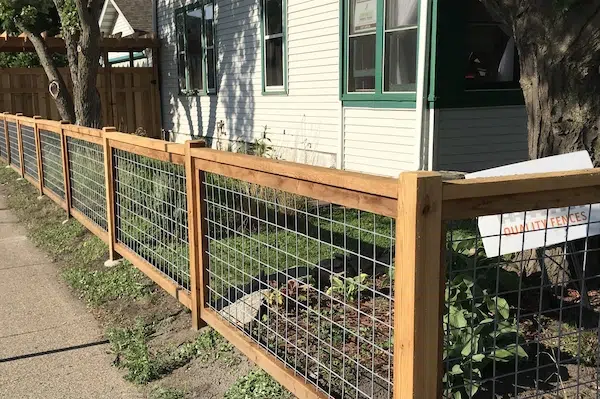
Wire and Wood Fence Configurations
Wire and wood fences are popular choices for both residential and commercial properties due to their durability, versatility, and cost-effectiveness. These configurations can range from simple and functional to complex and decorative, depending on your needs and preferences.
Basic Post and Rail Fence
The basic post and rail fence is a traditional design that offers a rustic appearance. It consists of wooden posts spaced evenly, with horizontal rails attached. This type of fence is ideal for large areas where a simple boundary marker is required, and it can be combined with wire mesh to prevent small animals from entering or leaving the property.
Split Rail Fence with Wire Mesh
A split rail fence combined with wire mesh adds a layer of security while maintaining a country-style look. This configuration uses split wooden rails inserted into the posts, creating a zig-zag pattern. The wire mesh is attached to the inside of the fence, making it a suitable option for containing pets or livestock.
Picket Fence with Wire Detail
For a more decorative option, a picket fence with wire details can be considered. This configuration features upright wooden pickets attached to horizontal rails, with decorative wire patterns between the pickets. It’s perfect for front yards and gardens, providing both charm and a measure of security.
Shadow Box Fence with Integrated Wire
The shadow box fence, also known as a “good neighbor fence,” features alternating panels on either side of the central rail, creating an effect that offers privacy while still allowing air and light to pass through. Integrating wire within this design enhances security without compromising on aesthetics.
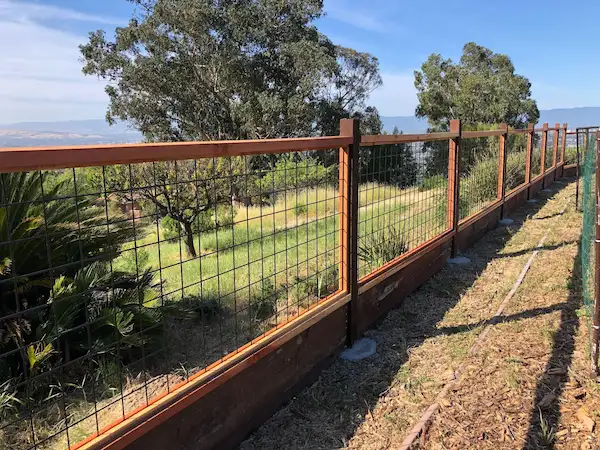
A Step-by-step Guide to Installing a Wire and Wood Fence
In this guide, we will walk you through the step-by-step process of installing a wire and wood fence. From preparing the site to attaching the fence panels, we’ve got you covered. Let’s get started!
Preparing the Fence Line and Marking Boundaries
Start by determining the exact location of your fence line. This can be done by marking the corners of your fence area with stakes and then running a string between them to define the line. Always check local zoning laws and consider calling a utility locator service to avoid hitting underground utilities.
Installing Wood Posts and Rails Securely
The wood posts should be installed at regular intervals along the fence line, dug at least two feet into the ground, and secured with concrete for stability. After the concrete has been set, attach the horizontal rails to the posts using screws or nails. The number of rails depends on your design, but typically, there are two or three.
Attaching Wire Mesh to the Wood Framework
Once the wood framework is complete, roll out your wire mesh along the fence line. Attach it to the posts and rails using heavy-duty staples or screws. The mesh should be taut to prevent sagging. Make sure to evenly space out the staples or screws along the wire mesh to ensure a secure and sturdy attachment.
Tips for Maintaining and Preserving Your Wire and Wood Fence
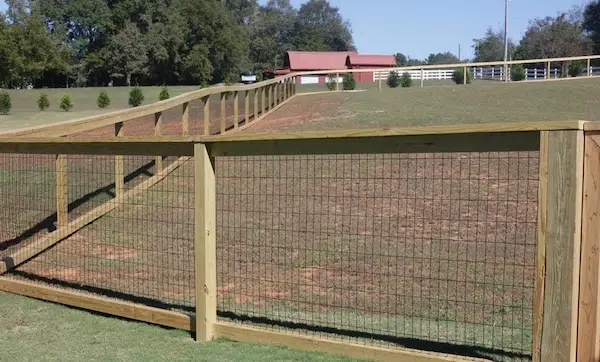
To keep your wire and wood fence looking great and functioning properly for years to come, regular maintenance is key. Here are some tips to help you preserve your fence and prevent damage.
Regular Inspection
Conduct thorough inspections of your fence at least twice a year. Look for loose or broken wires, and signs of rust on the wire, and check the wooden parts for rot or insect damage. Please pay attention to the fence posts, particularly where they meet the ground, as this is a common area for decay. Make a note of any issues so you can address them promptly.
Cleaning the Fence
Dirt, debris, and mildew can accumulate on your fence, detracting from its appearance and potentially causing damage. For the wire sections, use a soft brush to remove dirt and a mild detergent if necessary gently. For the wood, use a specialized wood cleaner to avoid damaging the material. Rinse the fence thoroughly with water after cleaning and allow it to dry completely.
Repairing Damage
Address any damages as soon as you notice them. For the wire parts, this might mean tightening loose wires or replacing sections that are broken or badly rusted in the case of wooden components, repairing splits or cracks using wood glue or replacing severely damaged planks. Always use weather-resistant materials for repairs to ensure longevity.
Treating the Wood
To protect the wood from weathering, rot, and pests, apply a high-quality wood preservative or sealant. This treatment should ideally be done annually. Choose a product that offers UV protection to prevent fading and water resistance to guard against rain and moisture.
Rust Prevention
Rust can severely damage the structural integrity of wire fences. Use a rust-inhibitor spray on all metal parts. If rust has already formed, remove it with a wire brush or sandpaper before applying the inhibitor. This not only prolongs the life of your fence but also maintains its aesthetic appeal.
FAQs
1. What is a Wire Fence?
A wire fence is a type of barrier made from wire mesh or wire strands. The wire can be arranged in a variety of ways, such as woven into a mesh or strung in parallel lines and can be attached to wooden posts for added support and structure.
2. What Kind of Wood is Used for Wire Fences?
The most common woods used for posts in wire fences are red cedar, oak, and pressure-treated softwoods like pine. Cedar and oak are naturally rot-resistant while pressure treatment helps protect pine from decay. These strong, durable woods can support barbed wire and woven wire.
3. What is the Advantage of Wire Fence?
Wire fences are cost-effective, require minimal maintenance, and can cover extensive areas of land compared to other fencing options. They provide secure containment for livestock while allowing free airflow and visibility. Wire also adapts well to uneven terrain and is fairly simple.
Final Thought on Wire and Wood Fence
In conclusion, wire and wood fences are versatile and practical fencing solutions that can meet various needs, from residential to commercial applications. Combining the strength and durability of wire with the aesthetic appeal and structure of wood, these fences offer a harmonious blend of functionality and visual appeal.
Whether you need to secure your backyard, contain livestock, or mark property boundaries, a wire and wood fence can provide a cost-effective and sustainable solution.