
Securing the bottom of a chain link fence is very important. This helps you keep your area safe and well-protected.
Over time, the bottom part of your fence gets loose or develops holes. This can be a problem because it lets pets escape or unwanted animals enter.
In this guide, we will focus on how to secure the bottom of a chain link fence effectively. We’ll discuss the best materials to use and give you step-by-step instructions.
Assessing Your Fence
Identify Weak Spots
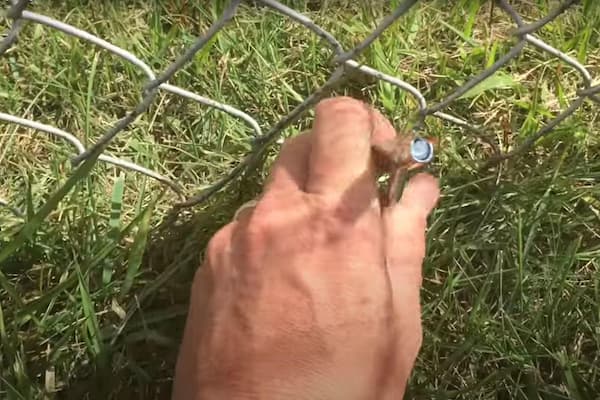
Start by walking around your fence. Look at it from top to bottom. Search for places where the fence is loose or hanging down. These spots are weak and need attention.
They are where animals can sneak in, or the fence can break. Pay special attention to the corners and areas near the ground. Make sure to note each weak spot you find.
Measure The Perimeter
Next, you need to know how long your fence is. This helps you understand how much material you’ll need to secure it. Get a tape measure and walk the entire length of your fence, measuring as you go.
You need help or a wheel measure for accuracy when it’s long. Write down the total length in feet. This is your fence’s perimeter.
Check For Damage
Now, take a close look at each part of your fence. You’re looking for rust, holes, or bent or broken parts. Gently shake the fence in different sections. A good fence won’t make much noise and will feel firm.
When it rattles or moves, it’s a sign it needs repair.
Pay special attention to areas that seem weak or damaged. Note where these are. You’ll focus on these spots when you start fixing your fence.
Materials Needed
Selecting Quality Materials
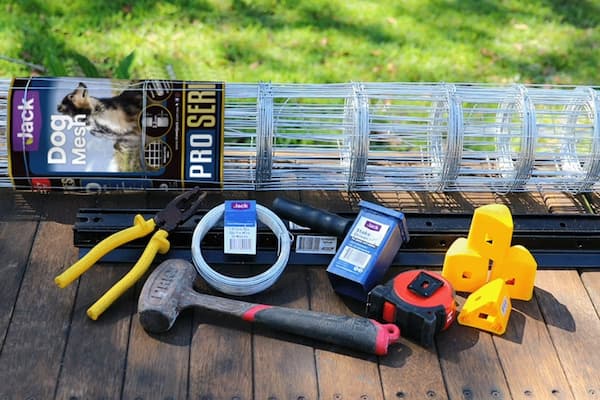
Choose strong materials to make your fence secure. For the bottom, metal or heavy plastic strips work well. Buy enough to cover the whole bottom edge of your fence. Check that they are tough and won’t break easily.
This is important to keep your fence strong for a long time.
Tools For Installation
You will need some tools to fix your fence. Get a pair of gloves, pliers, and wire cutters. Gloves protect your hands. Pliers help you twist and tighten wires. Wire cutters cut the extra wire.
Make sure the tools are in good condition before you start.
Additional Security Features
Think about adding extra things to make your fence safer. Things like tension wires or stakes can help. Tension wires make the bottom tight and hard to lift. Stakes pin the fence to the ground.
They stop animals from pushing under the fence. Pick features that suit your fence and area.
Securing The Bottom
Digging A Trench
Dig a small ditch along the bottom of your fence. Make it about 6 inches deep and 6 inches wide. Use a shovel for this. The trench stops animals from getting under the fence.
Put the dirt you dig up to the side. You will use it later to fill the trench back in.
Installing Tension Wires
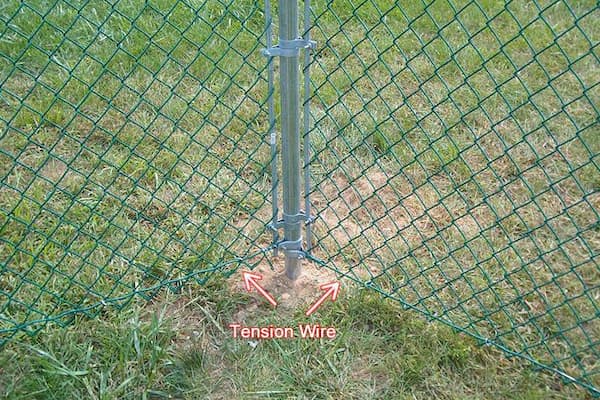
Put a strong wire at the bottom of your fence. This is called a tension wire. It makes the fence tight and hard to move. Attach the wire to the fence with ties on every foot.
Pull the wire tight as you go. This keeps the bottom of the fence close to the ground.
Using Ground Stakes
Push stakes into the ground along the fence. Use metal or heavy plastic stakes. Place them every 2 to 3 feet. Make sure at least half the stake is in the ground. This holds the fence down.
It makes it hard for animals to push under or the wind to lift the fence.
Reinforcement Techniques
Adding Fence Weights
Put weights at the bottom of your fence. These can be bags of sand or special fence weights. Place them every 4 feet along the fence. Weights hold the fence down.
This makes it harder for the fence to move. It helps keep animals out and the fence in place.
Installing Barrier Boards
Place boards along the bottom of your fence. These are long pieces of wood or metal. You put them on the outside of the fence, touching the ground.
They block gaps and stop animals from getting through. Screw or nail the boards to the fence posts for a stronghold.
Using Concrete Footings
Pour concrete along the bottom of your fence. This creates a solid barrier. Mix concrete in a bucket and pour it into the trench you dug. The concrete should be about 3 inches thick.
It hardens and becomes like a wall under the fence. This is a very strong way to keep the fence secure and in place.
FAQs
What Holds The Bottom Of A Chain Link Fence?
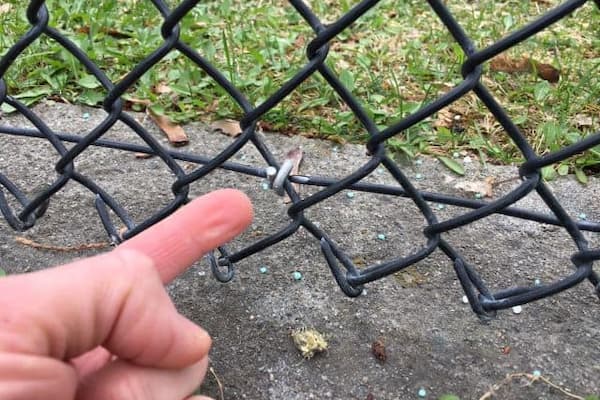
Tension wires often hold the bottom of a chain link fence. Strong wires run along the bottom and keep the fence tight and in place.
How Do You Block The Bottom Of A Chain Link Fence?
To block the bottom of a chain link fence, you can dig a trench and fill it with concrete or use barrier boards or fence weights. These methods block gaps and keep the fence down.
How Do You Dog Proof The Bottom Of A Chain Link Fence?
To dog-proof the bottom of a chain link fence, you can add tension wires or ground stakes to make it harder for dogs to push under. You can also use concrete footings or special pet barriers to block gaps.
How To Secure The Bottom Of A Chain Link Fence: Conclusion
Securing the bottom of your chain link fence is a straightforward but vital task. Following the steps outlined in this guide ensures that your fence remains sturdy and effective.
Whether you’ve added tension wires, used ground stakes, or poured concrete footings, each method contributes to a stronger barrier. Regular maintenance and prompt repairs are key to keeping your fence in top condition.
And you can enjoy a safer, more secure yard for years.


