
Cedar is a popular wood for making fences because it looks nice and isn’t easily damaged by bugs or rot. However, how long does a cedar fence last depends on a few things.
You must put it up correctly and take care of it to make it last a long time.
Normally, when you don’t do anything special to it, a cedar fence will be good for 10-15 years before you have to change it. But when you clean it and put a stain on it every 2-5 years, it can last even longer, like 15-20 years.
Today, we will discuss the factors that decide how long a cedar fence will stay good before you have to fix it or get a new one.
Factors Affecting Longevity
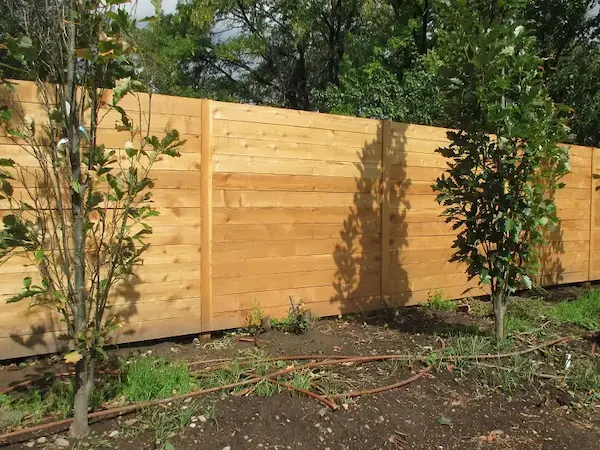
We will discuss the quality of cedar wood, climate conditions, how the fence is maintained, threats from pests and rot, and the techniques used during installation.
Cedar Wood Quality
The quality of cedar wood plays a big role in fence lifespan. High-quality cedar resists decay better. It’s important to choose good quality wood for a longer-lasting fence.
Climate Conditions
Fences in areas with harsh weather wear out faster. Wet, humid conditions or extreme cold can reduce a cedar fence’s life. Proper protection helps fences withstand these conditions better.
Maintenance Practices
Regular maintenance will extend a cedar fence’s life. This includes sealing, staining, and cleaning the fence. Fences that are well-cared for last longer than those that aren’t.
Pest And Rot Threats
Pests like termites can damage cedar fences. Rot is another enemy. Always check the fence for signs of damage. Using treatments to repel pests and rot is a smart move.
Installation Techniques
How the fence is installed matters a lot. A well-installed fence, with proper posts and supports, will stand strong for years. Poor installation can lead to early fence failure.
Average Lifespan Of Cedar Fences
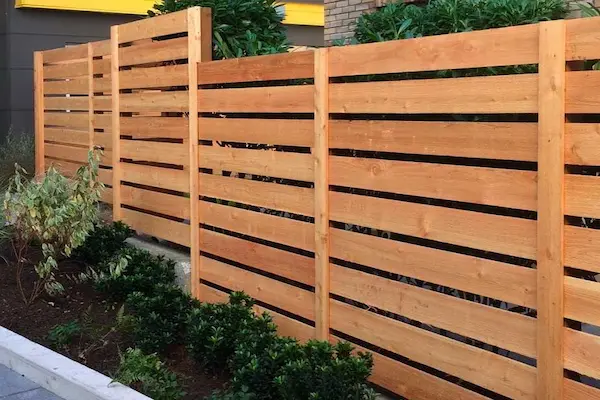
We’ll talk about their usual life, rare cases, place differences, old-time uses, and new ways to make them last longer.
Typical Range
Most cedar fences will serve homeowners for 15 to 30 years. This lifespan is because cedar naturally resists decay and insects. Selecting high-quality cedar is crucial for a fence to reach its potential longevity.
Extreme Cases
In rare situations, cedar fences have been known to last for more than 40 years. This usually happens when the fence gets exceptional care and is in an ideal environment.
Regional Variations
In places where the weather is milder, cedar fences often have a longer life. Harsh climates, however, can reduce this lifespan. It’s vital to consider local weather patterns when planning fence care.
Historical Context
Historically, people loved cedar for its durability. Old cedar fences, built decades ago, can still be seen in some places. They stand as a testament to Cedar’s lasting power.
Modern Treatments
Today, there are treatments to boost cedar’s resistance to elements. When applied correctly, these treatments can extend a cedar fence’s life. It’s recommended to explore these options for optimal fence health.
Extending Cedar Fence Lifespan
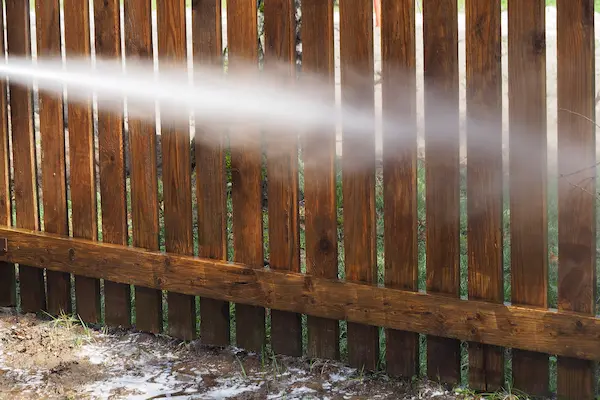
A cedar fence can last even longer with the right care. We’ll learn about cleaning, using sealants and stains, fixing parts, keeping bugs away, and trimming plants near the fence.
Regular Cleaning
Dirt and mold can hurt a cedar fence. By cleaning it often, the fence will look good and stay strong. A simple wash with water and soap helps a lot.
Sealants And Stains
Protecting a cedar fence is important. Sealants and stains act like a shield. They keep out water and sun damage. Using them makes the fence live longer.
Repairs And Replacements
Sometimes, parts of the fence get damaged. Fixing these parts quickly helps the whole fence. Replacing old or broken parts keeps the fence safe and strong.
Insect Deterrents
Bugs like termites eat wood. Keeping them away from cedar fences is important. Some sprays and treatments stop these bugs. It’s good to use them for fence health.
Pruning Nearby Plants
Plants growing close can harm the fence. They can trap moisture or hide bugs. Trimming these plants keeps the fence dry and bug-free. This action is key for fence care.
FAQs
What Are The Disadvantages Of A Cedar Fence?
The main downsides of cedar fencing are that it grays, cracks, and deteriorates over time, requiring staining every 2-5 years to maintain appearance and integrity. Cedar is also more expensive upfront than other fencing materials like pine or vinyl.
Does Staining A Cedar Fence Make It Last Longer?
Yes, staining a new cedar fence helps protect it from UV rays, fills in cracks, and extends its life 5-7 years longer than leaving it unstained and exposed to the elements.
Regular staining every 2-5 years retains its color and prevents moisture damage.
How Long Does It Take For A Cedar Fence To Age?
In sunny locations, expect a cedar fence to naturally weather from reddish-brown to gray in 2-5 years without staining. The aging process takes longer in shaded areas. Staining regularly will preserve the cedar’s warm natural color for many years before graying occurs.
How Long Does A Cedar Fence Last: Conclusion
The lifespan of a cedar fence varies but can last anywhere from 10 to 20 years. Proper installation and maintenance, such as staining and cleaning, are vital in extending its durability. Environmental factors, including moisture and sun exposure, also impact its longevity.
By understanding these variables and following maintenance guidelines, homeowners can enjoy the natural beauty and longevity of their cedar fencing for many years. So, cedar is good for fencing.


