
Creating a dog-proof chain link fence is vital for pet owners who want to ensure their furry friend’s safety. A well-built fence keeps dogs secure in their yard and provides owners peace of mind.
Building a dog-proof chain link fence involves several crucial elements. First, selecting the right gauge and mesh size is essential to withstand a dog’s strength and prevent them from getting stuck. The fence’s height must be considered, especially for larger or more agile dogs.
In the following sections, we will dive deeper into creating a dog-proof chain link fence.
Choosing the Right Chain Link
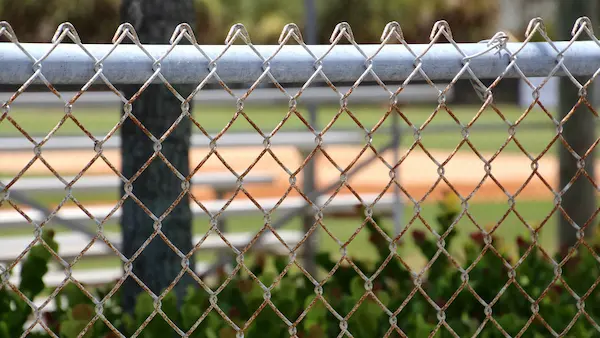
In this section, we will explore 4 steps on how to choose the right chain link fence for keeping dogs safe.
Gauge Selection
The thickness of the wire in a chain link fence is key for dog-proofing. A lower gauge number means a thicker wire, which is stronger. For most dogs, a nine or 11-gauge is suitable.
This thickness ensures the fence can withstand a dog’s weight and force if they lean or jump against it.
Mesh Size
Mesh size refers to the size of the openings in the fence. Smaller mesh sizes, like 2-inch squares, are better for dogs. This size prevents them from sticking their heads or paws in the fence.
It also discourages climbing as dogs struggle to get a foothold.
Height Considerations
The fence height depends on your dog’s size and jumping ability. For small to medium dogs, a 4-foot fence usually suffices.
However, for larger dogs or those that like to jump, a 6-foot fence is recommended. This height prevents them from jumping over.
Galvanized Coating
A galvanized coating on the chain link fence protects it from rust and weather damage. This coating ensures the fence lasts longer and remains strong.
It’s vital in areas with harsh weather, as it keeps the fence sturdy and safe for your dog.
Digging Prevention Measures
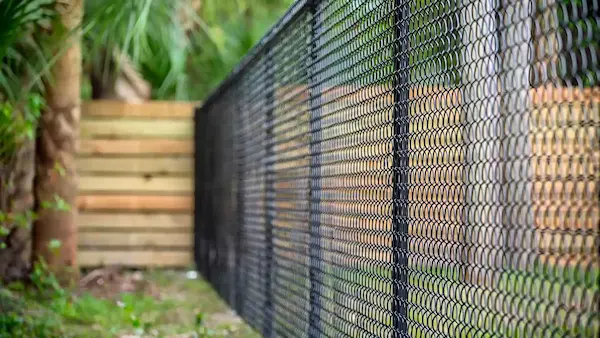
Burying Fence Bottom
Burying the bottom of the chain link fence is a practical way to deter dogs from digging underneath. Extending the fence a few inches into the ground creates a barrier that discourages dogs from trying to dig their way out.
This method is simple yet effective, especially for dogs prone to digging.
Concrete Footing
Pouring a concrete footing along the base of the fence provides a solid barrier against digging. This method involves laying a narrow strip of concrete along the fence line.
It’s highly effective but more labor-intensive and costly compared to other methods. However, it offers a permanent solution to prevent dogs from digging out.
Gravel Barriers
Placing a barrier of gravel or rocks along the fence line can also prevent digging. The rough texture and uneven surface of gravel discourage dogs from digging.
This method is less labor-intensive than concrete and more visually appealing. It’s important to choose a size of gravel that is large enough to deter digging but not so large that it poses a choking hazard to the dog.
Installing Wire Mesh
Attaching a wire mesh to the bottom of the fence and extending it into the ground forms an underground barrier. This method is effective for dogs that are persistent diggers.
The wire mesh must be of a gauge that is durable enough to withstand digging attempts. It’s a relatively easy and cost-effective solution that you can combine with burying the fence bottom for added security.
Securing Gates
In this section, we will discuss 4 ways to secure gates in a chain link fence to ensure they are dog-proof.
Self-Closing Latches
Self-closing latches are essential for a dog-proof gate. These latches automatically close the gate after opening, preventing it from being accidentally left open.
This feature is crucial for keeping dogs safely contained, especially in high-traffic areas where gates will be frequently used.
Locking Mechanisms
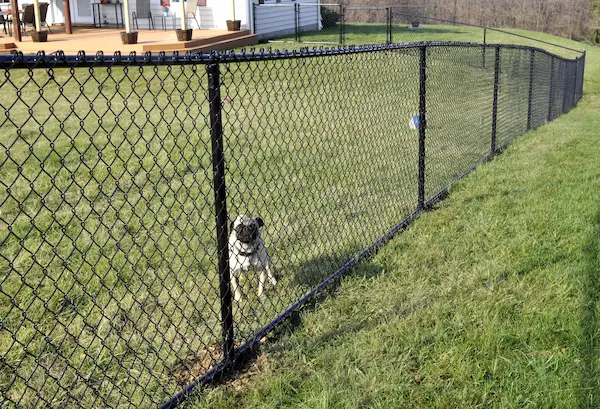
Adding a locking mechanism to your gate ensures extra security. This is a simple padlock or a more sophisticated key lock.
The lock prevents the gate from being opened unintentionally or by someone unfamiliar with your dog, like a delivery person.
It’s also a deterrent against potential intruders, adding extra safety for your pet.
Gate Height
The gate should match the height of your chain link fence to prevent dogs from jumping over.
To match a fence that is 6 feet tall, especially when you have a large dog or one that tends to jump, ensure that the gate is also 6 feet in height.
Consistency in fence and gate height maintains the integrity of your dog-proof fencing system.
Reinforced Frames
Reinforcing the gate frame adds stability and durability, making it more resistant to force from a dog pushing or leaning against it. This is achieved by using stronger materials or additional supports.
A reinforced frame ensures the gate stays aligned and functional, crucial for security and ease of use.
Training and Behavior
In this section, we’re going to learn about keeping our dogs safe and happy inside a chain link fence.
Behavioral Training
Training your dog means teaching them to understand and follow the rules. This includes learning commands like ‘stay’ and ‘come’ to stop them from trying to get out.
Using treats and praise when they do something good helps them learn. Regular training teaches dogs to know where they can and cannot go.
Exercise and Play
Dogs need to play and exercise every day. This keeps them happy and stops them from wanting to leave the yard. Walking your dog, playing games, and giving them fun toys can make them feel good and stay within the fence.
Socialization
It’s important for dogs to make friends and get used to different places and people. This helps them feel less scared and not want to run away. Introducing your dog to new things excellently can make them friendlier and calmer.
Supervision
It’s important always to keep an eye on your dog. Even with a fence, you should watch them so they don’t try to dig under or jump over it.
When you see your dog trying to get out, you can help them stop.
Watching your dog also helps you see if there are any spots in the fence they try to get through.
Regular Maintenance
In this section, we will discuss how to keep your chain link fence dog-proof through regular maintenance. We’ll cover inspection routines, making repairs, checking weak points, and managing vegetation.
Inspection Routine
Regularly inspecting your fence is key to keeping your dog safe. Every month, walk around the fence. Look for any damage, like bent wires or loose posts.

Always fix problems right away so your fence stays strong and secure.
Repairs and Patches
When you find holes or broken parts in your fence, fix them quickly. Use strong wire to patch holes and tighten any loose parts. This keeps your dog from getting out and stops other animals from getting in.
A well-maintained fence means a safe space for your dog to play.
Checking for Weak Points
Weak spots in a fence are risky. Your dog could push through and escape. Check the base of the fence and any areas where it bends.
When you see signs of wear, reinforce these spots. Stronger fence parts mean a safer yard for your dog.
Keeping Vegetation Clear
Plants and bushes near your fence can cause problems. They will push against the fence and make it weak. Keep plants trimmed back from the fence.
This stops them from damaging it and makes it hard for your dog to climb over. A clear fence line is a safe fence line.
FAQs
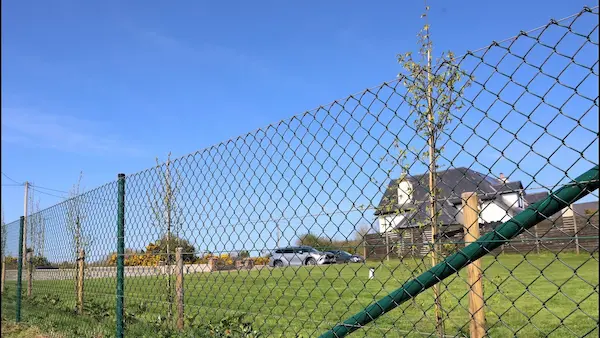
1. How Do I Get My Dog To Stop Chewing On Chain Link Fence?
To stop your dog from chewing on a chain link fence, provide them with plenty of chew toys and engage them in regular exercise. Redirect their chewing behavior towards these toys whenever they start biting the fence.
Consistent training and supervision are crucial in altering this behavior.
Yes, some dogs can jump over chain link fences, especially if they’re agile or the fence is too low.
2. Can Dogs Jump Over Chain Link Fence?
To prevent this, ensure your fence is tall enough, typically over 6 feet, and remove any nearby objects that could boost your dog’s climb.
3. What Is The Best Fence For Escaping Dogs?
The best fence for preventing dogs from escaping is a solid privacy fence, at least 6 feet tall, with no gaps or footholds. It blocks visual stimuli that tempt a dog to escape and provides no easy grip for climbing.
Conclusion
As we wrap up our discussion on building a dog-proof chain link fence, it’s clear that ensuring the safety and security of our furry friends is a multifaceted task.
Every detail counts, from choosing suitable materials like the appropriate gauge, mesh size, and a durable galvanized coating to implementing practical measures against digging.
Securing the gates and reinforcing their frames adds an extra layer of protection.


