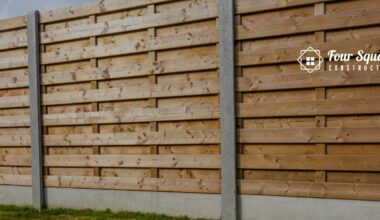
Maintaining a wood fence is more than just a chore; it’s a way to safeguard your investment and enhance your property’s charm. If you want your wood fence to stand the test of time, it requires care and attention.
To maintain a wood fence you’ll need to learn the art of regular cleaning, sealing, and inspecting your fence. These fundamental practices can prevent issues like rot, warping, and insect infestations, ensuring your wood fence retains its beauty and strength for years to come.
Stay tuned as we delve deeper into each aspect of wood fence maintenance, offering pro tips and tricks to make the process a breeze. By the end of this guide, you’ll have the knowledge and confidence to keep your wood fence in top-notch condition.
KEY Takeaways
- Gather Your Materials: You’ll need soap, water, a scrub brush with stiff bristles, a bucket, and a hose.
- Step-by-Step Cleaning: Mix the soap and water, dip the brush in the soapy solution, and scrub the fence sections thoroughly.
- Added Benefits: This method is eco-friendly, cost-effective, and gentle on your wood fence, ensuring it stays in excellent condition.
Factors Contributing to Wood Fence Deterioration

In this section, we will explore the various factors that can lead to the deterioration of your wood fence. Understanding these factors is essential for effective maintenance and ensuring the longevity of your fence.
Weather Conditions:
Exposure to harsh weather conditions, such as heavy rain, intense sunlight, and freezing temperatures, can cause wood to expand, contract, and degrade over time. When wood repeatedly absorbs moisture and then dries out, it can lead to warping, splitting, and cracking. Proper sealing and finishing, with weather-resistant products, can help mitigate these effects by creating a protective barrier against the elements.
Moisture and Rot:
Prolonged exposure to moisture, especially in humid environments or due to poor drainage, can lead to wood rot. Rot is a fungal decay that weakens the fence’s structure and compromises its integrity. Regular inspections are crucial for detecting signs of rot, such as discolored or soft wood, and prompt repairs should follow to address the affected areas. Additionally, maintaining proper airflow around the fence can help reduce moisture buildup.
Insect Infestations:
Wood-boring insects like termites and carpenter ants can cause significant damage to the wood. These pests feed on the cellulose in wood, creating tunnels and weakening the fence’s structure. Regular pest inspections and appropriate treatments, such as chemical barriers or insect-resistant wood species, are essential to prevent infestations from compromising your fence.
Lack of Maintenance:
Neglecting regular cleaning, sealing, and repairs can accelerate the deterioration process. Routine maintenance tasks, such as cleaning off dirt and debris, resealing the wood’s surface to maintain its protective layer, and addressing small issues promptly, are key to preserving your wood fence. Establishing a maintenance schedule can help prevent larger problems down the road.
Age of the Wood:
As wood ages, it naturally becomes more susceptible to decay and damage. Older fences may require more frequent maintenance and repairs to keep them in good condition. Regular inspections become particularly important as your fence ages, allowing you to catch and address issues before they worsen
Inspecting Your Fence
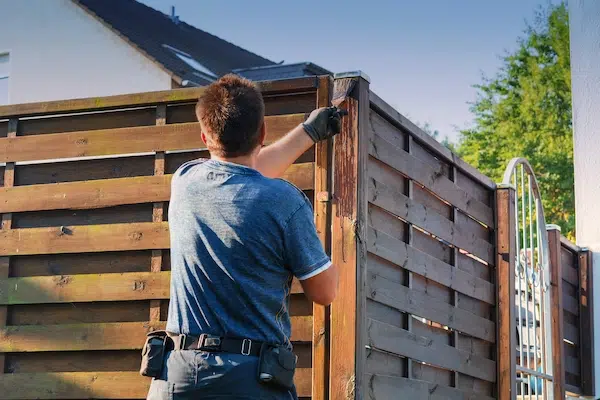
Regularly inspecting your wood fence is crucial for maintaining its durability and appearance. In this section, we will discuss how to conduct thorough inspections and identify common issues.
The Importance of Routine Inspections
Regular inspections are the foundation of effective wood fence maintenance. They allow you to detect problems early, preventing costly repairs and preserving your fence’s lifespan. By dedicating time to inspect your fence, you can ensure it continues to serve its purpose effectively.
Identifying Common Issues
During your fence inspection, pay close attention to common issues that may affect wood fences:
- Rot or Decay: Examine the wood for signs of rot or decay, such as soft or discolored areas. Focus on sections that contact the ground or are exposed to moisture, as they are more susceptible.
- Cracked or Split Wood: Look for cracks or splits in the wood, which can weaken the fence’s structure and lead to further damage if left unaddressed.
- Loose or Missing Boards: Ensure that all boards are securely fastened and that there are no missing pieces. Loose or absent boards can compromise security and appearance.
- Insect Infestation: Watch for signs of insect infestation, including holes, tunnels, or sawdust around the fence. Swift action is essential to eradicate pests and prevent further damage.
- Warped or Sagging Sections: Check for sections that appear warped or sagging, often caused by moisture exposure or temperature fluctuations. Address these areas promptly to maintain appearance and integrity.

Cleaning Your Fence
Cleaning your fence is a vital step in maintaining its appearance and prolonging its lifespan. In this section, we will discuss everything you need to know about cleaning your fence.
Preparing the Fence for Cleaning
Before diving into the cleaning process, it’s important to prepare the fence properly. This involves removing any loose debris, such as leaves or dirt, from the surface of the fence.
Additionally, consider trimming nearby vegetation to ensure easier access and prevent damage during cleaning.
Choosing the Appropriate Cleaning Method
There are various methods available to clean a wood fence, and selecting the right one is crucial. For mild dirt and grime, a simple solution of soap and water with a scrub brush may suffice.
However, for tougher stains or discoloration, power washing or using a specialized wood cleaner can be more effective.
Treating and Protecting Your Fence
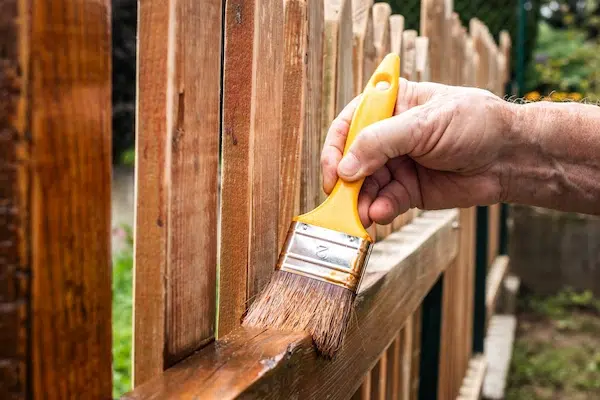
Treating and protecting your wood fence is essential for preserving its durability and enhancing its longevity. In this section, we’ll explore two key methods for safeguarding your fence against the elements:
Staining or Painting for Weather Protection
Applying a stain or paint to your fence not only enhances its aesthetic appeal but also provides crucial weather protection. These coatings create a barrier against moisture, UV rays, and other environmental factors that can lead to wood rot, fading, or warping.
We’ll discuss the benefits of staining or painting, and different color options, and provide tips on proper application techniques.
Applying Sealants or Water Repellents
In addition to staining or painting, applying a sealant or water repellent further fortifies your fence against moisture damage.
These products penetrate the wood, forming a protective layer that helps prevent water absorption and minimizes the risk of swelling, splitting, or decay.
Repairing and Restoring Your Fence
Over time, your wood fence may require repairs to maintain its structural integrity and aesthetics. In this section, we’ll cover two important aspects of fence restoration:
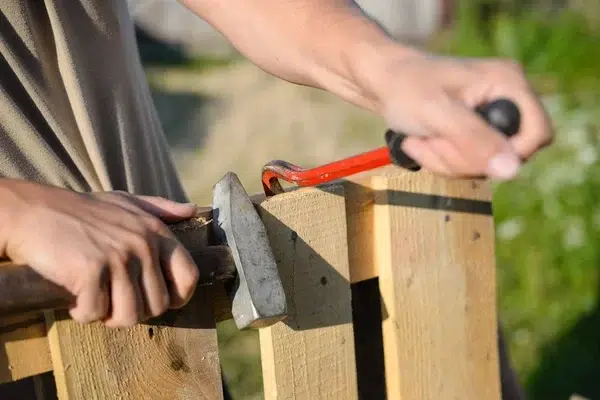
Fixing Loose or Broken Boards and Rails
Over time, boards and rails may become loose or break due to various factors. Such as removing damaged pieces, replacing them with new ones, and securely reattaching them to the fence framework.
It’s important to identify and fix these issues to maintain the fence’s stability. Proper techniques and tools required for this process will be highlighted to ensure a sturdy and seamless repair.
Addressing Rot or Pest Damage
Rot and pest infestations can wreak havoc on a wood fence, compromising its structural integrity and aesthetics. Detecting signs of rot, such as soft or discolored wood, and identifying pest damage, such as termite tunnels or wood-boring insect activity, is crucial. And taking preventive measures to minimize the risk of future damage.
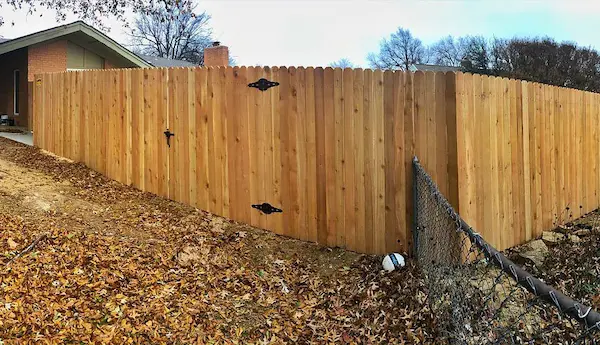
Seasonal Maintenance Tips
To keep your wood fence in top condition year-round, it’s important to adapt your maintenance routine to the changing seasons.
Spring Checklist
As the weather warms up, it’s time to give your fence some much-needed attention. Create a spring maintenance checklist that includes cleaning off winter debris, inspecting for any damage or wear, and addressing necessary repairs. By starting the season with a clean and structurally sound fence, you’ll set the stage for a successful maintenance journey.
Summer Care
Summer brings its own challenges, such as increased moisture and intense sun exposure. Implement strategies to control moisture by ensuring proper drainage around the fence and using water repellents or sealants to protect the wood.
Additionally, consider applying UV-resistant finishes to shield the fence from sun damage. With proper care during summer, you’ll maintain the fence’s structural integrity and prevent unnecessary wear.
Fall Preparations for Winter
Before the winter chill sets in, take proactive steps to prepare your fence. Clear any fallen leaves or debris from around the fence, as they can trap moisture and promote rot.
Trim nearby vegetation to prevent rubbing against the fence and create a buffer zone to minimize potential damage during winter storms. Apply a fresh coat of protective stain or paint to create a barrier against harsh winter elements.
By preparing your fence for winter, you’ll minimize the risk of weather-related damage and ensure its longevity.
Do you know how to seal a wood fence? Check out the inserted link to learn the ins and outs.
FAQs
1. Does a Wooden Fence Need Maintenance?
Yes, wooden fences require occasional maintenance to keep them looking their best and extend their lifespan. Plan to pressure wash a wooden fence every 1-2 years to remove built-up dirt, mildew, and stains. Check for cracked or warped boards whenever you pressure wash.
2. How do you Prolong the Life of a Wooden Fence?
To extend the lifespan of a wooden fence, apply a protective stain or sealant every 2-3 years. Be sure to prep the surface by pressure washing first to remove any built-up dirt, mildew, or loose wood fibers. Also check for warped, cracked, or rotting boards.
How to Maintain Wood Fence: Final Words
Maintaining a wood fence is essential for its longevity, aesthetics, and overall functionality. By following the steps outlined in this guide, you can ensure that your wood fence remains strong, beautiful, and resilient against the elements.
With a little effort and care, your wood fence will continue to enhance your property’s appearance and provide privacy and security for years to come. Remember, a well-maintained wood fence is a testament to your pride and dedication for your home.