
Building a chain link fence involves more than just weaving wires together. It’s a project that combines strength and precision, where every part plays a vital role.
The core elements of a chain link fence parts list include the fence fabric, line posts, terminal posts, top rails, and bottom tension wires. Supporting hardware such as tension bands, tension bars, brace bands, and rail end cups is equally important.
In the following sections, we will dive deeper into these components.
Main Components
In this section, we will explore the main parts of a chain link fence. Each component plays a crucial role in the fence’s structure and stability.
Fence Fabric
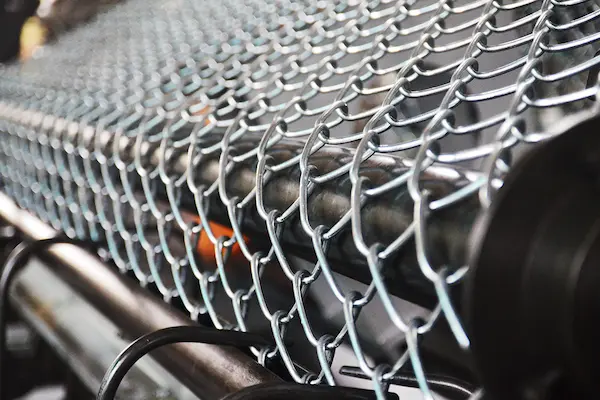
The fence fabric, also known as chain link mesh, is the visible part of the fence that provides the barrier. It’s made from interwoven steel wires forming a diamond pattern.
This design offers durability and flexibility, making it suitable for various applications, from home yards to secured areas.
The fabric’s strength depends on the wire’s thickness and the mesh’s size.
Line Posts
Line posts are vital for maintaining the fence’s upright position and evenly distributing tension. These posts regularly along the fence line support the fabric and keep it taut.
They are usually made of metal, like galvanized steel, for long-lasting strength and resistance to weather conditions.
The spacing of line posts is vital for fence stability and is carefully planned based on fence height and fabric type.
Terminal Posts
Terminal posts, including end, corner, and gate posts, are key to a chain link fence’s structure. They are installed at the beginning, end, corners, and where gates are located.
These posts bear more stress than line posts and are typically thicker and more robust.
They anchor the fabric securely, ensuring the perimeter is well-defined and strong.
Top Rail
The top rail adds horizontal support to the fence, connecting to the top of the line and terminal posts. It prevents the fence fabric from sagging and adds to the overall appearance of the fence.
Made usually from the same material as the posts, the top rail also serves as an additional barrier, making it harder to climb the fence.
Bottom Tension Wire
The bottom tension wire runs along the bottom of the fence fabric, attached to the line and terminal posts.
Its role is to keep the bottom of the fence fabric tight and secure. It also prevents animals from getting under the fence and adds overall stability.
Supporting Elements
In this part, we will look at the supporting elements of a chain link fence. These parts help secure and stabilize the main components we discussed earlier.
Tension Bands
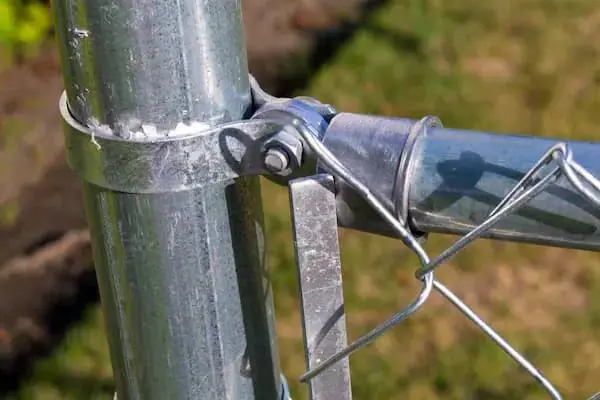
Tension bands are used to attach the fence fabric to the terminal posts. These bands wrap around the post and hold the tension bar, supporting the fence fabric.
They are essential for maintaining the fence’s tension and integrity. Typically, the number of tension bands needed depends on the height of the fence.
Tension Bars
Tension bars play a crucial role in securing the fence fabric. They slide through the end loops of the fence fabric and connect to the tension bands on terminal posts.
This connection keeps the fabric flat and prevents it from bulging or sagging. Tension bars are usually made of steel for maximum strength and durability.
Brace Bands
Brace bands are similar to tension bands but serve a slightly different purpose. They are used primarily at the top of terminal posts to attach the top rail and at the bottom for the tension wire.
These bands ensure that the top rail and bottom tension wire are firmly anchored to the posts, contributing to the fence’s overall stability.
Rail End Cups
Rail end cups, or rail end caps, connect the top rail to the terminal posts. They sit on top of the posts and hold the end of the rail in place.
These cups provide a clean finish to the fence and help maintain the top rail’s alignment, ensuring it remains level and secure.
Rail End Caps
Rail end caps are placed on the open ends of the top rail to prevent water from entering and to ensure safety by covering any sharp edges.
These caps also enhance the fence’s appearance, giving it a more finished look. Made from aluminum or plastic, they are designed to withstand weather conditions without rusting or deteriorating.
Gate Components
Gate Frame
The gate frame is the backbone of the gate, providing structure and support. It is typically made of metal, like steel, and shaped in a rectangle or square. The frame holds the gate fabric and attaches to the hinges.
It must be sturdy to support the weight of the gate and withstand frequent use.
Hinges
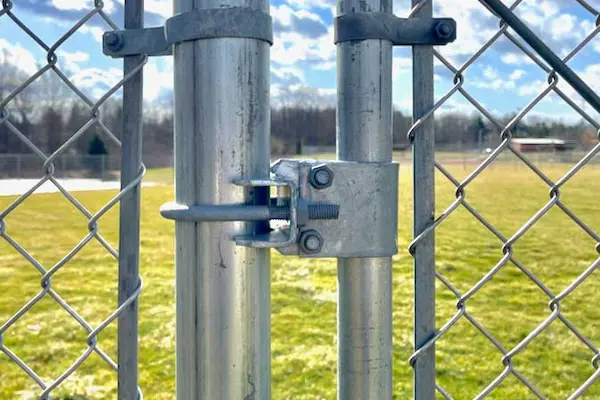
Hinges are critical for the gate’s movement, allowing it to swing open and close. They are attached to the gate frame and the gate post.
There are 2 types of hinges available, including those that allow the gate to swing in both directions.
The strength and size of the hinges depend on the gate’s size and weight.
Latches
Latches secure the gate when it’s closed. They come in different designs, like gravity latches, which automatically latch when the gate closes, and manual latches, which require physical action to secure.
The choice of latch depends on the level of security needed and the type of use the gate will see.
Drop Rods
Drop rods are used in double gates, where 2 gate panels meet in the middle. A drop rod holds the gates in place when closed, inserted into the ground, or a holder.
It prevents the gates from swinging and adds an extra layer of security.
Gate Fabric
The gate fabric is the chain link mesh that covers the gate frame. It should match the fence fabric in material, mesh size, and wire thickness.
The gate fabric provides the barrier function of the gate, keeping the enclosed area secure while maintaining the visual consistency of the fence.
Additional Hardware
In this section, we delve into additional hardware that complements a chain link fence’s main and supporting components, enhancing its functionality and durability.
Ties And Clips
Ties and clips are small but essential to attach the fence fabric to the line posts and top rail. These are wire ties or aluminum clips. They ensure the fabric is securely connected to the framework, preventing sagging or gaps.
Regular spacing of ties and clips is crucial for uniform strength and appearance.
Fence Brackets
Fence brackets connect various parts of the fence, like attaching the fabric to the posts or rails. They come in different shapes and sizes, depending on their specific use.
Fence brackets ensure a tight and secure connection, which is vital for the fence’s stability.
Tension Wire Clips
Tension wire clips attach the bottom tension wire to the line posts. These clips ensure the tension wire is firmly held against the posts, providing extra security and stability to the bottom of the fence.
This is particularly important in uneven terrains where the fabric needs additional support.
Post Caps
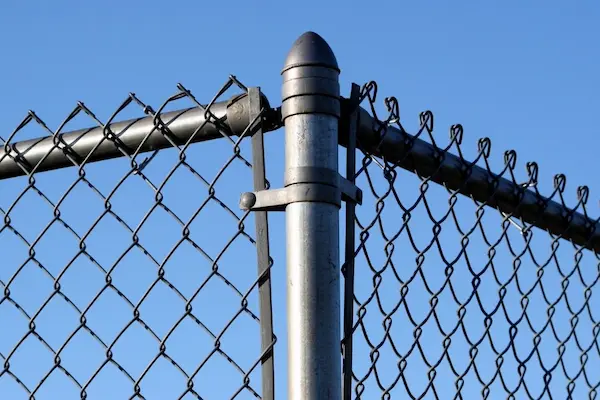
Post caps are placed on top of fence posts to protect them from water and debris, which can cause rust or damage over time. They also provide a finished look to the fence.
Made from materials like aluminum or plastic, post caps are designed to withstand various weather conditions.
Tension Wire Tools
Installing and maintaining the tension in a chain link fence requires specific tools. Tension wire tools include tension bars, pullers, and cutters.
These tools help stretch and secure the fence fabric and tension wires, ensuring the fence is tight and evenly tensioned for maximum strength and durability.
Accessories
Let’s talk about accessories that can add more features to chain link fences. These accessories improve the privacy, security, and functionality of the fence.
Privacy Slats
Privacy slats are inserted into the chain link fence to provide privacy and block the view. Made from materials like plastic or wood, they come in various colors and designs.
Privacy slats are easy to install and help reduce wind flow through the fence, offering a dual benefit of privacy and protection.
Windscreen
A windscreen, or a privacy screen, is attached to the fence to block wind and provide privacy. Made from durable fabric, it’s often used in sports fields or in areas where privacy is a concern.
Windscreens can reduce wind speed significantly, making the enclosed area more comfortable.
Barbed Wire
Barbed wire is a security feature often added to the top of chain link fences. It consists of wire strands with sharp edges or points arranged at intervals.
Barbed wire is beneficial for deterring intruders or for use in high-security areas. It must be installed with care to ensure safety.
Gate Wheels
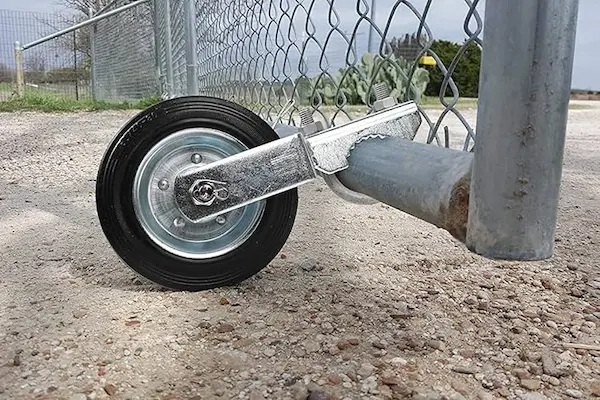
Gate wheels are attached to large or heavy gates to help them open and close smoothly. They support the weight of the gate, reducing the stress on hinges and making it easier to operate the gate.
Gate wheels are especially useful for double gates or frequently used gates.
Gate Locks
Gate locks enhance the security of the fence. At least 3 types of locks are available, from simple padlocks to sophisticated electronic locking systems. The lock choice depends on the security level required and the gate type.
FAQs
1. What Are The Essential Components Of A Chain Link Fence?
A chain link fence consists of fence fabric, line posts, terminal posts, a top rail, and a bottom tension wire. These components provide the basic structure and support.
Additionally, hardware like tension bands, tension bars, brace bands, rail end cups, and caps ensure stability.
2. Are There Any Specialized Parts For Gate Installation?
Yes, specialized parts for gate installation in a chain link fence include the gate frame, hinges for movement, latches for secure closure, drop rods for stability in double gates, and gate fabric that matches the fence.
These components ensure the gate is functional and secure.
3. What Materials Are Needed For Chain Link Fence?
Chain link fences require materials such as galvanized or coated steel wire for the fence fabric, metal posts for support, tension wires, and various hardware like tension bands, bars, and clips.
Optional materials include privacy slats or windscreens for added functionality and aesthetic appeal.
Conclusion
Understanding the parts of a chain link fence is crucial for both installation and maintenance. Each component, from the fence fabric to the tension wires, plays a specific role.
With this comprehensive chain link fence parts list, you are now equipped with the knowledge to either construct a new fence or maintain an existing one.
Remember, the strength and longevity of any type of chain link fence lie in the quality and proper installation of each part.


