
Wood farm fences embody the essence of rural charm and practical functionality. This comprehensive guide delves into the various aspects of building and maintaining a wood farm fence, a symbol of timeless pastoral beauty and a staple of rural landscapes.
A well-constructed wood farm fence serves multiple purposes: it defines property boundaries, secures livestock, and adds a rustic aesthetic to the landscape. Essential considerations for building a wood farm fence include selecting the right materials, understanding local climate impacts, and incorporating effective design elements.
The following sections will explore the types of wood ideal for fencing, design options that blend functionality with aesthetics, and maintenance tips to prolong the life of your fence.
KEY Takeaways
- Material Selection: Choose durable woods like cedar or redwood, which resist rot and insects, ensuring long-lasting fence quality.
- Design Choices: Opt for designs that balance aesthetics with functionality, considering local climate and property needs.
- Maintenance Tips: Regular inspection and treatments like staining or painting extend the fence’s life and maintain its appearance.
The Benefits Of Wood Farm Fences
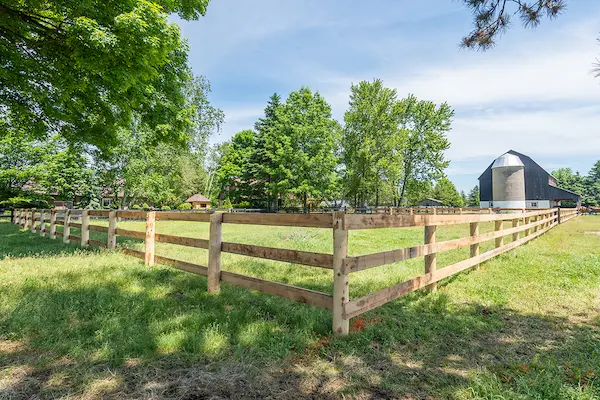
Delving into the advantages of wood farm fences, this section highlights their aesthetic appeal, durability, and cost-effectiveness, along with environmental benefits and customization options.
Aesthetic Appeal
Wood farm fences are not just functional; they also add a natural, rustic charm that enhances the beauty of any property. Their classic and timeless look makes them a perfect fit for a wide range of landscapes, from traditional farms to modern homes.
The warm, inviting nature of wood can transform a simple boundary into a stunning visual element, making these fences a popular choice for those who value both form and function.
Durability and Strength
Quality wood fences are synonymous with durability and strength. When constructed from high-quality materials like cedar or redwood and maintained properly, these fences can withstand harsh weather conditions, from scorching sun to freezing snow. This resilience makes them an ideal choice for property protection and boundary definition, offering long-term reliability and peace of mind for property owners.
Cost-Effectiveness
Wood fences are often more affordable than other fencing materials like vinyl or metal. They provide an excellent balance between cost and performance, especially when considering their lifespan and minimal maintenance requirements. The initial investment in a wood fence often pays off in the long run, with fewer repairs and replacements needed compared to less durable alternatives.
Environmental Benefits
As a natural, renewable resource, wood is an environmentally friendly choice for fencing. Wood fences can be treated and maintained in eco-conscious ways, minimizing their impact on the environment. This sustainable aspect is increasingly important for property owners looking to make responsible, green choices in their property development and maintenance.
Customization Options
The versatility of wood fences is a significant advantage. They offer numerous customization options, allowing property owners to choose from various wood types, styles, and finishes. This flexibility means that a wood fence can be tailored to fit any aesthetic preference and functional requirement, from simple boundary fences to elaborate, decorative designs.
The ability to personalize a wood farm fence makes it an appealing option for those who want to make a unique statement with their property boundaries.
Choosing The Right Wood
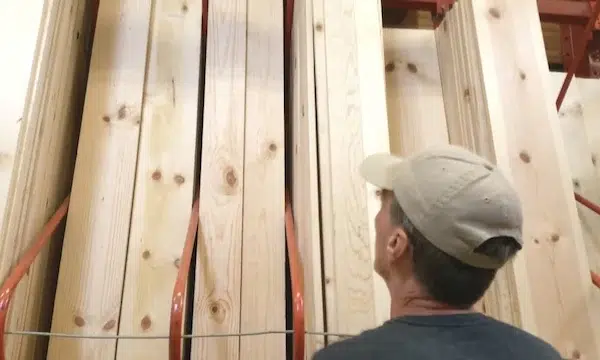
When it comes to choosing the right wood for your farm fence, there are 3 key considerations to keep in mind:
Popular Wood Choices
Cedar, pine, and oak are commonly used for farm fences. Cedar is often preferred due to its natural resistance to decay and insect damage.
Pine is another popular option, known for its affordability and availability. Oak is a strong and durable wood, but it can be more expensive.
Durability And Resistance
It’s important to select wood that can withstand the elements and the demands of farm life.
Look for wood naturally resistant to rot, moisture, and insect damage. Cedar, for example, has natural oils that help protect it against decay.
Understanding Wood Treatments
Wood treatments, such as pressure treatment or applying protective coatings, can enhance the durability and lifespan of the fence.
Pressure-treated wood is infused with preservatives that help prevent rot and insect infestation. Coatings like paint or stain can also provide an extra layer of protection against weathering.
Selecting The Fence Style
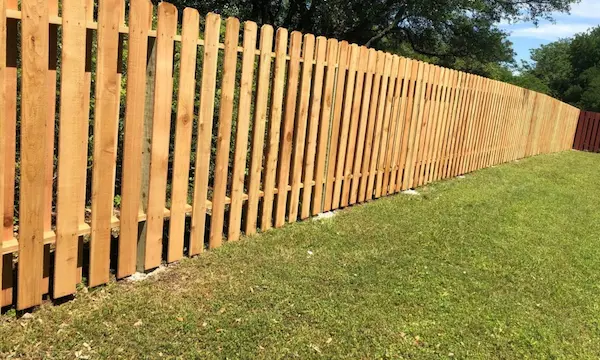
The style you choose should complement your property’s landscape and architecture while fulfilling its intended purpose, whether for privacy, security, or decoration.
Traditional Post and Rail
A classic choice for farms and rural properties, the post and rail style offers a timeless look. It’s ideal for enclosing large areas and is particularly effective for keeping livestock within boundaries. This style can range from simple two-rail designs to more complex versions with additional rails for extra security.
Picket Fences
Picket fences are synonymous with charming, cottage-style aesthetics. They are more suited for decorative purposes rather than for security or privacy. This style is perfect for adding a quaint, welcoming touch to gardens and front yards, with the height and spacing of pickets adjustable to your preferences.
Privacy Fences
For those seeking privacy and security, tall solid wood fences are an ideal choice. They provide a visual barrier, keeping your property secluded and secure from outside view. These fences can be customized in terms of height, board width, and design patterns, allowing for a blend of privacy and style.
Lattice and Decorative Designs
Lattice wood fences offer a balance between open visibility and decorative appeal. They are often used as garden features, supporting climbing plants and adding an element of sophistication to the landscape. Decorative fences can also feature unique patterns, cutouts, and varying post caps for a distinct look.
Split Rail Fences
Split rail fences are a rustic option, often used in rural and agricultural settings. They are characterized by their rough-hewn look and are great for delineating property lines without obstructing views. This style is not only aesthetically pleasing but also economical and easy to install.
Installation
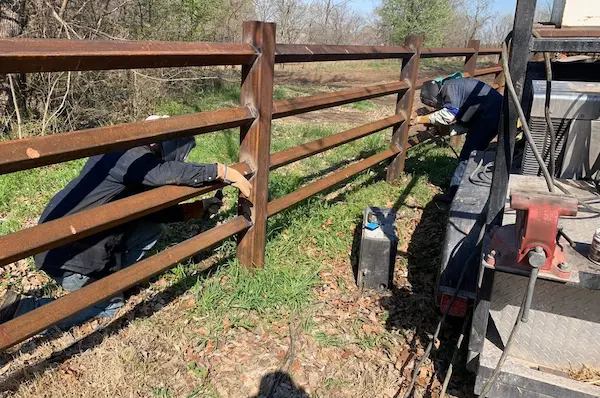
Installing a wood farm fence is a crucial step in ensuring its longevity and effectiveness. Following these guidelines can help ensure a durable and stable fence that meets your property’s needs.
Planning and Preparation
Before installation, careful planning is essential. This includes deciding on the fence style, determining the exact boundary lines, and obtaining any necessary permits. Additionally, you should consider the location of gates and ensure that the fence layout is clear and well-defined.
Choosing the Right Tools and Materials
Having the right tools and materials is crucial for a successful installation. This includes posts, rails, pickets, or panels, depending on your chosen style, along with concrete for setting posts, nails or screws, and tools like a post-hole digger, hammer, saw, and level.
Setting the Fence Posts
The stability of your fence largely depends on how well the posts are set. Dig holes deep enough to anchor the posts securely (usually about a third of the post’s height). Setting the posts in concrete can provide additional stability, especially in loose or moist soil conditions.
Attaching Rails or Panels
Once the posts are set, the next step is to attach the rails or panels. This should be done with care to ensure they are level and evenly spaced. For styles like picket or privacy fences, this step involves more precision to maintain a consistent look and proper alignment.
Finishing Touches
After the main structure of the fence is complete, finishing touches like painting, staining, or sealing the wood can be applied. These not only enhance the fence’s appearance but also protect it from weathering and decay. Additionally, installing gates and hardware is the final step to complete your wood farm fence installation.
Tips For Maintenance And Preservation
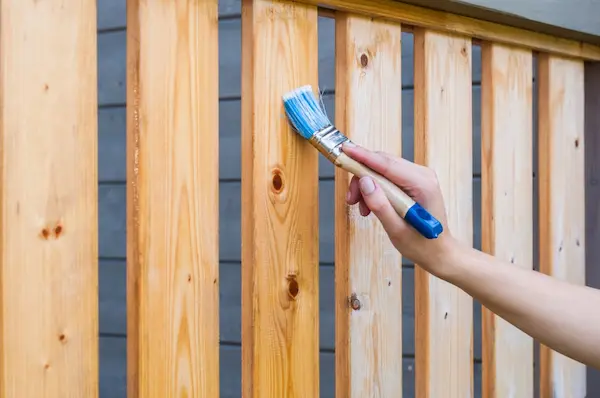
Maintaining and preserving your wood farm fence is essential to ensure its longevity and keep it looking its best. Regular care and preventive measures can significantly extend the life of your fence, protecting your investment and maintaining the aesthetic appeal of your property.
Regular Inspection
Regularly inspect your fence for any signs of damage, such as loose boards, rot, or insect infestation. Early detection of these issues allows for timely repairs, preventing more extensive damage. Pay special attention to areas near the ground, as they are more prone to moisture and decay.
Staining and Sealing
Apply a protective stain or sealant to your fence every few years to protect it from the elements. This not only enhances the fence’s appearance but also provides a barrier against moisture, UV rays, and insect damage. Choose a product appropriate for the type of wood and the climate in your area.
Repairing Damage
Promptly repair any damage to the fence, such as broken or rotting boards. This prevents the damage from spreading and maintains the structural integrity of the fence. Replacing a few boards is simpler and more cost-effective than extensive repairs or complete fence replacement.
Avoiding Soil Contact
Minimize direct contact between the fence and soil to prevent rot and decay. Ensure that the bottom of the fence has adequate clearance from the ground and consider using gravel or stones at the base to improve drainage and reduce moisture exposure.
Enhancing Functionality And Safety
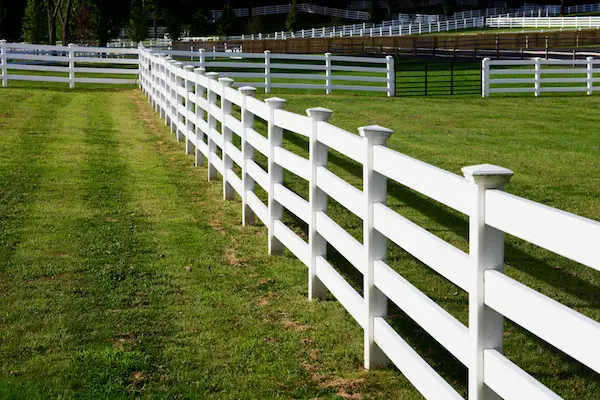
To enhance the functionality and safety of your wood farm fence, here are 3 additional elements you can consider:
Adding Wire Mesh Or Electric Fencing
Depending on your needs, you can enhance the security and containment of your fence by adding wire mesh or electric fencing. Wire mesh can be attached to the existing fence to prevent smaller animals from entering or to reinforce the barrier.
Electric fencing uses low-voltage shocks to deter animals from touching or attempting to breach the fence.
Incorporating Farm Gates
Farm gates provide convenient access points to your property or different sections within the farm. They can be installed within the fence line and offer flexibility for vehicle entry, livestock movement, or machinery access.
Choose sturdy and properly sized gates that complement the fence style and ensure they are properly installed for functionality and durability.
Structural Reinforcements
Depending on the size and purpose of your fence, you may need to consider structural reinforcements to ensure its stability.
This could involve adding diagonal bracing or cross beams to support the posts and prevent sagging or leaning. Reinforcing the corners and gate areas can also provide extra strength where the fence may experience additional stress.
Always prioritize safety when making modifications to your fence. Ensure that any added components, such as wire mesh or electric fencing, are properly installed and meet the necessary safety standards. Regularly inspect and maintain these additional features to ensure their effectiveness and avoid potential hazards.
Farm Regulations And Zoning
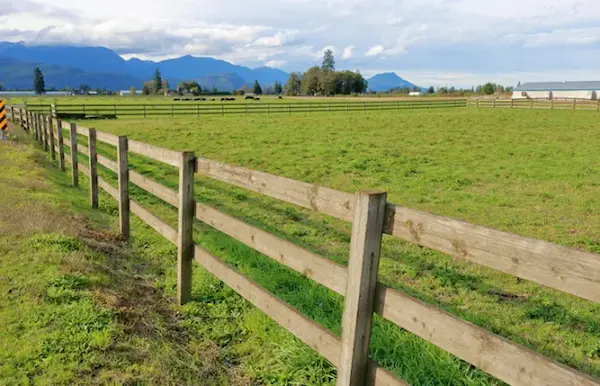
When it comes to installing a wood farm fence, it’s important to be aware of and comply with the farm regulations and zoning requirements in your area. These regulations ensure that your fence meets certain standards and maintains harmony with the surrounding environment.
Researching Local Regulations
Before embarking on your fence installation journey, it is essential to research and understand the specific regulations that govern farm fences in your local area.
Contact your local municipality, county offices, or relevant authorities to obtain information on fence height restrictions, setback distances from property lines or roads, materials allowed, and any specific guidelines for agricultural properties.
Understanding these regulations will help you plan and design your fence accordingly, avoiding potential violations or conflicts in the future.
Obtaining Permits And Following Guidelines
In some areas, obtaining permits for farm fence installations may be required. Permits ensure that your fence complies with local building codes and regulations, ensuring safety and adherence to community standards.
Determine if permits are necessary for your project and follow the application procedures provided by the local authorities.
Be prepared to provide documentation such as property surveys, fence plans, and any other required information.
You can also learn about different Types Of Wood Fences. Check out the inserted link.
FAQs
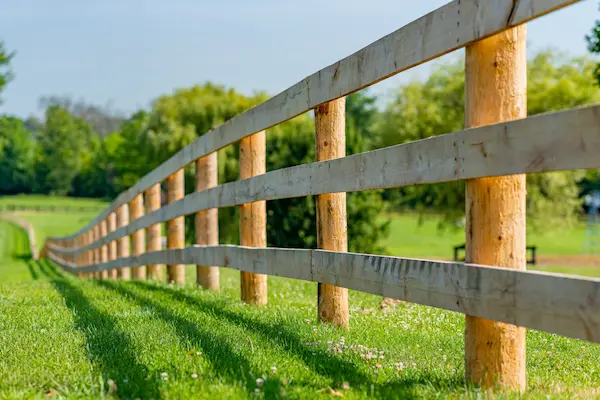
1. What Kind Of Wood Is Used For Farm Fences?
The most common woods used for farm fencing are softwoods like pine, cedar, and spruce. These woods are affordable, durable, and rot-resistant, making them well-suited for outdoor use. Hardwoods like oak can also be used but are more expensive. The wood is cut into boards, rails, or posts.
2. What Is A Wooden Fence Called?
A wooden fence is often referred to as a wood farm fence or farm fence. These fences are crafted from wood materials and are frequently used in agricultural settings to enclose livestock, demarcate property boundaries, or enhance the visual appeal of a farm.
3. What Is The Best Wood Post For A Farm Fence?
The best wood for farm fence posts is oak, black locust, or cedar. Oak is extremely sturdy and durable, resisting decay for up to 30 years. Though softer, cedar contains oils that act as natural preservatives, allowing posts to endure for 15-20 years.
Wood Farm Fence: Final Words
Wood farm fences offer a range of benefits and play a vital role in agricultural settings. Wood farm fences are popular among farmers with their natural aesthetic appeal, durable construction, versatility in design options, and cost-effectiveness.
They provide secure enclosures for livestock, mark property boundaries, and enhance the overall appearance of a farm.
Whether it’s the timeless charm of cedar, the affordability of pine, or the strength of oak, wood farm fences continue to be a trusted and integral component of farming life.


