
Are you thinking about giving your roof a makeover? Mixing a metal roof with asphalt shingles is a smart choice! But how to combine metal roof with asphalt shingles?
Combining a metal roof with asphalt shingles involves installing a synthetic underlayment over existing shingles and adding furring strips for a flat base. Secure metal panels starting from the bottom, ensuring overlaps to prevent leaks and seal all joints and edges for a watertight finish.
Let’s dive into the different methods for achieving this distinctive look and uncovering the secrets to a successful installation.
Key Takeaways
- Evaluate Roof Structure: Ensure your roof can support metal over asphalt shingles, checking for any needed repairs or structural enhancements.
- Install Proper Underlayment: Place a high-quality synthetic underlayment over shingles for a smooth surface and extra water protection.
- Ensure Correct Panel Installation: Start at the bottom, overlap panels correctly, and use recommended fasteners to secure metal panels to the roof.
Roof Structure Preparation
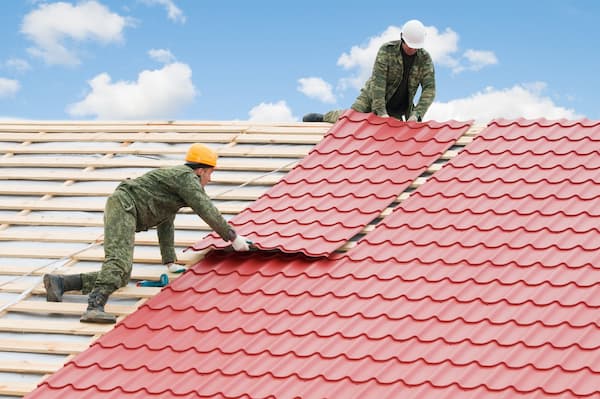
Before mixing a metal roof with asphalt shingles, you must ensure your roof is ready. This part is very important. Let’s discuss how to do this in 2 steps.
Assessing Compatibility
This stage ensures the existing roof structure can coexist harmoniously with the chosen materials. Here are some vital aspects to consider:
- Roof Pitch: Both metal and asphalt shingles have minimum pitch requirements. Make sure your roof’s pitch works with the chosen materials. This is especially true for metal. Metal often needs a steeper slope for good drainage.
- Underlayment: Verify whether your existing underlayment is suitable for both materials. Asphalt shingles need specific underlayment. Metal may need its own for best performance.
- Ventilation: Good ventilation is crucial for any roof. It’s especially important with metal because it transfers heat. Assess your existing ventilation system and ensure it’s adequate for the combined roof, or plan for additional ventilation if needed.
Ensuring Structural Support
A roof’s structural integrity is paramount, especially when introducing additional weight like metal panels. Here’s how to ensure your roof can handle the combined weight:
- Weight Capacity: Metal roofing is generally heavier than asphalt shingles. You must check if your roof can handle the extra weight of the metal. Consult a qualified structural engineer. They can check your roof’s trusses and rafters to ensure they can support the combined weight. It must not compromise your home’s structure.
- Deck Condition: The roof deck is typically plywood or oriented strand board (OSB). It must be in good condition to support both materials. Inspect the deck for any signs of damage like rot, warping, or missing boards. Before installation, you should make any repairs you need. They will ensure a solid base for your new roof.
Material Selection
When you want to mix a metal roof with asphalt shingles, picking the right materials is very important. Let’s talk about how to make smart choices for your roof.
Complementary Choices
Creating a visually stunning and cohesive look is key. Here’s how to select materials that complement each other:
- Color Coordination: Choose colors for the metal and asphalt shingles that harmonize aesthetically. Consider your home’s overall style and existing colors. Opt for complementary or contrasting colors based on your desired aesthetic. For example, a dark metal roof can nicely contrast with lighter shingles. Similar color tones can create a unified look.
- Style Synergy: The styles of the metal and shingles should also complement each other. Consider using a standing seam metal roof. It looks like a traditional asphalt shingle but feels classic yet modern. Alternatively, you could choose a metal tile profile with architectural shingles for a more rustic charm.
Climate Suitability
Different materials perform differently in various climates:
- Metal: Metal roofs are durable and resist extreme weather. They work in most climates. However, metal panels with a snow retention system should be considered in snowy areas. They prevent avalanches.
- Asphalt Shingles: Asphalt shingles are generally affordable and perform well in moderate climates. However, they may be more susceptible to damage in extreme heat or cold areas. Opt for impact-resistant shingles if prone to hail storms.
Adherence To Building Codes
Building codes exist to ensure safety and structural integrity. Here’s what to keep in mind:
- Local Regulations: Always check with your local building department. They know any rules about metal roofs or mixing roofing materials.
- Material Certifications: Make sure the metal panels and asphalt shingles are certified. They must meet the building codes in your area. Reputable manufacturers typically provide relevant certifications for their products.
Underlayment Installation

Think of underlayment as a hidden shield. This layer is important because it helps keep your house dry and cozy. Let’s talk about 2 big jobs the underlayment does.
Waterproofing Base:
The primary function of the underlayment is to act as a waterproofing base for your combined roof system. Here’s what to consider:
- Specialized Underlayment: Metal and asphalt shingles have different properties. A standard underlayment for asphalt roofs won’t work on metal roofs. Opt for a specialized underlayment specifically designed for use with both metal and asphalt shingles. This gives the best protection from water leaks. It ensures long-term performance for your unique roof.
- Proper Installation: Meticulous attention to detail is crucial during underlayment installation. Follow the manufacturer’s instructions for your chosen underlayment. Do this to ensure it’s applied correctly and makes a watertight seal. This may involve overlapping the material at times. You use the right fasteners and seal any seams or holes.
Additional Protective Layer
In addition to being waterproof, the underlayment adds another protective layer. It guards your roof against many things:
- Wind Protection: Good underlayment can boost wind resistance. It stops the elements from getting under the shingles and causing damage.
- Debris Barrier: The underlayment is a barrier against windblown debris like leaves, twigs, or stones. It protects the roof deck and structure from harm.
Metal Roof Installation
Putting on a metal roof is a big job but worth it. Make sure your old asphalt shingle roof is ready. Then, you start putting on the metal roof. Here’s how you do it step by step.
Starting At The Eaves
The eaves are the lower edges of your roof, where it meets the exterior walls. Installing metal panels here sets the stage for the entire roof and requires meticulous attention. Here’s what happens at the eaves:
- Underlayment: First, a water-resistant underlayment is laid on the roof deck. Then, workers install the metal panels. This layer acts as an extra barrier against moisture infiltration.
- Drip Edge Installation: A drip edge, typically made of metal, is installed along the eaves. This channels water away from the fascia board. The fascia board connects the roof to the wall. It stops water from running back under the roof panels.
- Panel Placement: They carefully position the first row of metal panels at the eaves. This ensures a proper overhang as per the manufacturer’s specs. This overhang allows water to drip freely without hitting the walls.
- Flashing Installation: Flashing pieces are installed around any protrusions, like chimneys or vent pipes, at the eaves. They are specialized. These flashings create watertight seals and prevent leaks at these critical points.
Secure Fastening And Alignment
Fastening and alignment are crucial aspects of a sturdy and weatherproof metal roof. Here’s how it’s done:
- Fastening: The panels are secured to the roof deck with special screws. The screws have weather-resistant seals. The screws go into specific spots on the panels. These spots are usually at the bottom of the ribs.
- Alignment: Each panel is carefully aligned with the previous one. This ensures a consistent and even look. Overlaps between panels are crucial. They must follow the maker’s advice for water drainage.
- Seaming: Once the panels are fastened and aligned. Workers use special tools and techniques to join them. This creates a watertight seam, preventing water from infiltrating between the panels.
Following Manufacturer Guidelines
Every metal roof system comes with specific installation guidelines provided by the manufacturer. These guidelines are essential for a successful and warrantied installation. They typically cover:
- Panel Specifications: Information about the panel size, thickness, and recommended overlap for proper water drainage.
- Fastener Specifications: Specifies the type, size, and appropriate placement of screws for secure panel attachment.
- Flashing Details: It provides instructions on the installation. It covers the types of flashing needed for different roof features.
- Seaming Techniques: Outlines the proper methods for joining panels to create watertight seams.
Flashing Integration
When you mix a metal roof with asphalt shingles, it’s like putting together a puzzle. Every piece needs to fit just right. Let’s talk about how to use flashing to make a seamless transition.
Seamless Transition
A seamless transition means everything looks smooth and fits perfectly together. The flashing acts like a bridge when adding metal roofing to your asphalt shingles. It connects the new metal parts to the old shingle parts without gaps or bumps.
We put flashing around the edges, where the roof meets walls, chimneys, or other roof parts. This ensures the metal and shingles look like they were always meant to be together.
Water Infiltration Prevention
The biggest job for flashing is to keep water out. Water is sneaky and can cause much damage if it gets under your roof. We put flashing in special places where the roof slopes meet or around things sticking out of your roof, like vents or chimneys.
The flashing covers these spots so water slides off the metal or shingles and away from the roof, just like a slide in a playground. This way, your home stays dry and cozy inside, even when it’s raining or snowing outside.
Asphalt Shingle Installation
It’s best to consult professionals. They can help with safe and proper installation. However, in the context of combining the two materials, here’s a brief overview of key aspects:
Starting Opposite Metal
When mixing asphalt shingles with a metal roof, the start of shingle installation is key. It’s needed for good water drainage and looks. Here’s what you need to consider:
- Metal Roof Termination: The metal roof should end with a drip edge. It should extend beyond the shingle edge. This keeps water from the metal roof from running under the asphalt shingles.
- Starter Strip Installation: A starter strip is installed along the eaves of the roof deck. It extends a bit beyond the drip edge. This provides a solid base for the first row of shingles and ensures proper water drainage.
- Shingle Placement: The first row of shingles is then installed. They go opposite the metal roof, starting at the bottom and working up. This creates a watertight transition from the metal to the asphalt section.
Proper Overlap
Proper water drainage needs shingles to overlap. This also stops leaks. Here’s what you need to know:
- Manufacturer Guidelines: Always refer to the maker’s recommendations. They are for your type of shingle. They will specify the exact overlap for each shingle. It’s typically 4-6 inches.
- Vertical Overlap: Each row of shingles should overlap the vertical seam of the row below it by the specified amount. This ensures water flowing down the roof surface doesn’t seep under the shingles.
- Horizontal Overlap: Shingles along the eaves and rakes of the roof may need more overlap. This is for extra protection from wind and water.
Standard Shingle Installation
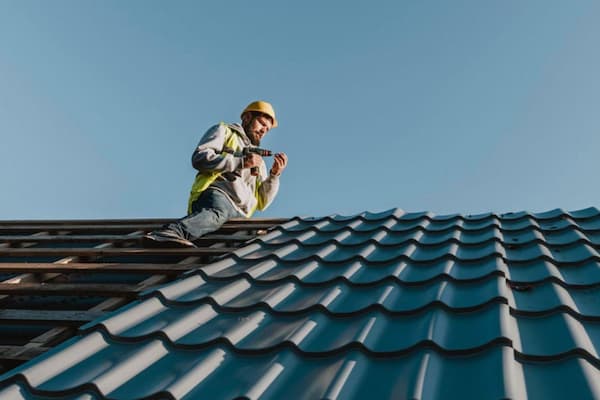
Once the first row of shingles is installed across from the metal, then, you cover the rest of the roof with asphalt shingles. Use the usual shingle installation techniques. Here are some key points:
- Shingle Alignment: Align each shingle with the previous one. Follow the pattern recommended by the manufacturer.
- Nailing: Roofing nails secure shingles to the roof deck. They are driven through specific spots on the shingle, usually near the top.
- Ventilation: Good roof ventilation is key. It stops moisture and helps roofs stay healthy. Ensure adequate ventilation is incorporated into the design, even in sections covered with asphalt shingles.
Seal And Fasten
Putting a metal roof on top of asphalt shingles is like putting a strong shield over your home. But, more than just having the pieces is needed. You must ensure they stick together well and not let water sneak in. Let’s talk about how to do that.
Joint Sealant Application
Specialized sealants play a crucial role in preventing water infiltration at vulnerable points. Here’s how they are applied:
- Choose the Right Sealant: Get a sealant made for roofs. It should work well with both metal and shingles.
- Clean First: Ensure the area is clean before putting on the sealant. No dust, no water.
- Apply Carefully: Use a caulking gun to put the sealant where the metal panels overlap and at the edges. Think of drawing a line that no water can cross.
- Check Your Work: After applying the sealant, review your work. Make sure you have all the spots.
Appropriate Fasteners
The final step involves securing the asphalt shingles in place with the appropriate fasteners:
- Right Type: Use screws that are meant for metal roofs. They usually have a rubber washer at the bottom to help seal the hole they make.
- Right Length: The screws need to be long enough to go through the metal, the shingles, and into the roof’s wood. But not so long that they poke through the inside of your house.
- Spread Out Right: Don’t put all the screws in one spot. They should be spread out to hold the metal evenly. Follow the metal manufacturer’s guide on how far apart to place them.
- Tighten, But Don’t Squish: When you screw them in, make them tight so the wind can’t pull up the metal. But don’t tighten them so much that they squish the rubber washer or bend the metal.
Consider Roof Design
When you think about putting metal roof pieces with asphalt shingles, the design of your roof is very important. You want your roof to look good and work well.
Aesthetic Integration
Making your roof look nice is key. Metal and asphalt can look great together with the right colors and styles. For example, a silver metal can look cool with dark gray shingles if your home is gray.
The idea is to make the 2 parts of your roof match and look like they belong together. It’s like picking out an outfit. Everything needs to go well together.
Alternating Rows Or Sections
One way to mix metal and asphalt is by alternating them. You can put a row of metal, then shingles, and keep going like that. Or, you can have one part of your roof with metal and another with shingles.
This can give your roof a unique look. Think of it as a pattern or design that makes your house stand out. But it’s important to ensure the switch between metal and shingles is smooth so your roof does its job well and keeps water out.
FAQs

Can I Install Metal Roofing And Asphalt Shingles Myself?
You can install metal roofing and asphalt shingles with the right tools and knowledge. However, it’s crucial to understand the process thoroughly and follow safety guidelines. DIY installations can save money but require time and effort. Consider consulting a professional for complex aspects.
How Often Should I Inspect The Metal Roofing And Asphalt Shingles For Issues?
To maintain your roof’s integrity, inspect metal roofing and asphalt shingles twice a year, ideally during spring and fall. This routine check helps spot early signs of wear or damage, ensuring timely repairs and extending your roof’s lifespan. Always check after severe weather events, too.
Is Gutter Cleanliness Important In Maintaining This Combination?
Gutter cleanliness is vital for maintaining a metal and asphalt shingle roof combo. Clean gutters prevent water backup and damage to both roofing materials. Regular gutter maintenance ensures longevity and optimal performance of your roof’s unique blend, safeguarding your investment effectively.
Conclusion
Combining a metal roof with asphalt shingles is a smart way to make your home look safe. Make sure your roof can hold the extra weight. Pick metal that goes well with your shingles and the weather in your area. You can also install metal roofing over plywood.
Put down a strong underlayer and maybe some wooden strips before adding the metal panels. This way, your roof will last longer, and you won’t have as many leaks. Doing this right means your house will be well-protected and have an attractive modern look.


