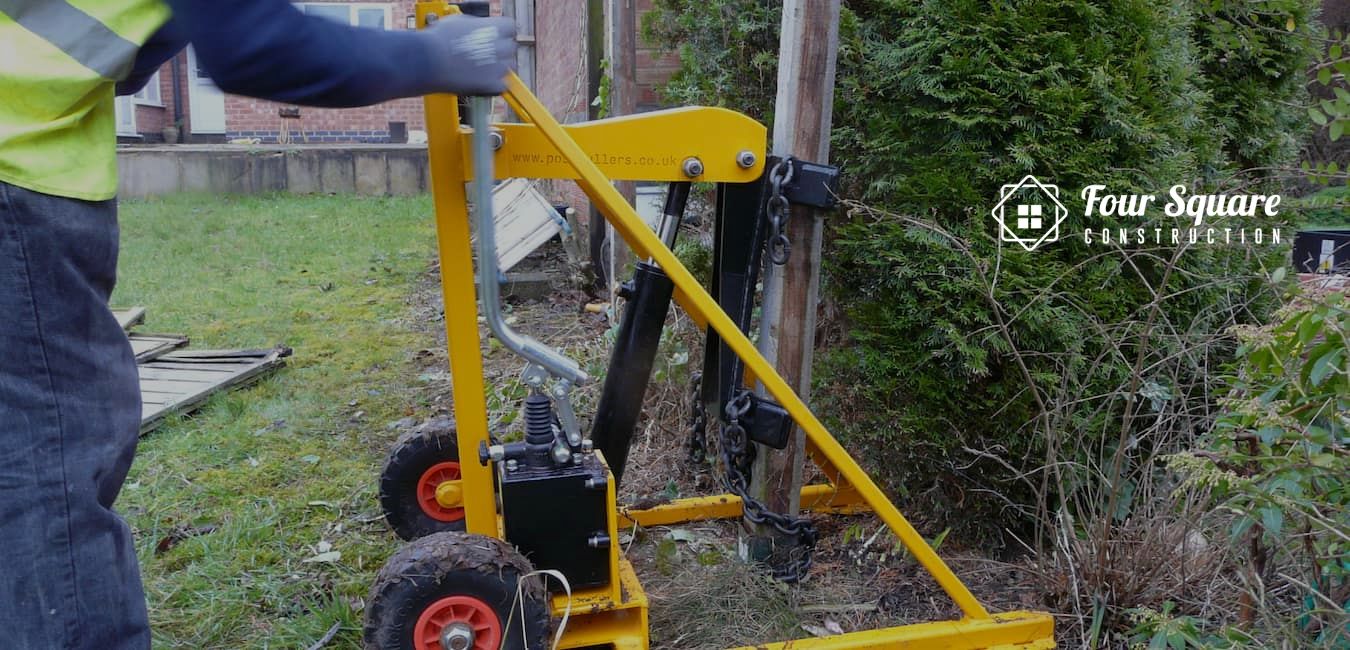
Removing a metal fence post may seem like a daunting task, but with the right knowledge and techniques, it can be done effectively and efficiently. Whether you’re replacing a damaged post or redesigning your fence layout, understanding how to remove metal fence posts safely and securely is essential.
To remove a metal fence post, gather your tools (shovel, jackhammer, saw, pry bar. Dig around the post to expose its base, cut concrete with the saw, use the jackhammer to loosen it, and lift the post with the pry bar to complete the process.
In the following sections, we’ll explore the tools and materials required, discuss various methods for post removal, and provide expert tips to make the process smoother.
KEY Takeaways
- Use Leverage: Apply a leverage tool, such as a post puller or a longboard, to wiggle and lift the post out of the ground.
- Dig Around the Base: Excavate soil around the post’s base to reduce resistance and uncover any concrete footing, if present.
- Cut if Necessary: If the post is stubbornly fixed, use a saw or grinder to cut it at ground level, then remove the remaining part.
How To Remove Metal Fence Post: Assessment and Preparation
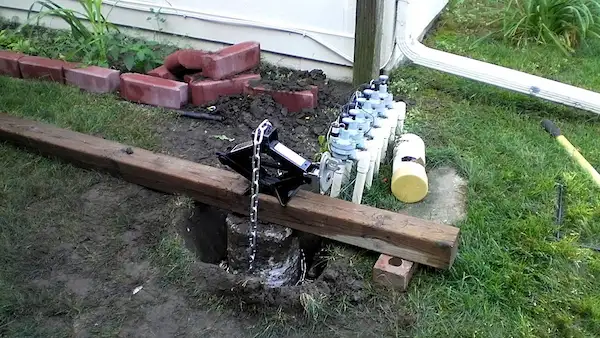
Before embarking on the task of removing a metal fence post, it’s crucial to prepare adequately and ensure all safety measures are in place. Here’s a detailed breakdown of each step:
Evaluate Fence Structure
Start by closely examining the fence. Pay attention to the condition of the posts – are they wobbly, rusted, or firmly anchored? This evaluation is essential because it helps you gauge the difficulty level of the task ahead. Depending on their condition, you may need different tools or approaches.
A wobbly post may come out easily, while a rusted or firmly anchored one might require more effort and specialized tools. This step is about understanding what you’re up against and planning accordingly.
Clear Surrounding Area
Ensure the area around the fence post is free from obstructions. Remove any plants, rocks, or debris in the vicinity. A clear workspace is not only safer but also makes the removal process smoother. This step is vital in preventing accidents and ensuring you have ample room to maneuver your tools and the post itself once it’s loosened.
Gather Safety Gear
Safety should be your top priority. Equip yourself with the necessary protective gear, including gloves, safety goggles, and a hard hat. These items protect you from potential harm, such as flying debris or accidental hits. Remember, even a seemingly simple task like removing a fence post can lead to unexpected incidents, and being prepared minimizes your risk of injury.
Choose Removal Method
Decide on the method you’ll use to remove the post. This decision should be based on the initial assessment of the fence’s condition and the tools at your disposal. Common methods include digging around the post, using a lever or a jack to pull it out, or cutting it, if necessary.
Each method has its pros and cons, so choose one that aligns with your skill level, the tools you have, and the specific circumstances of the post.
Secure Work Area
Finally, ensure the area around the work site is secure. Use cones, tape, or other markers to delineate the area. This is important to keep bystanders, pets, and other non-involved parties safe. It also helps in avoiding any distractions, allowing you to concentrate fully on the task at hand.
Removing the Fence Post
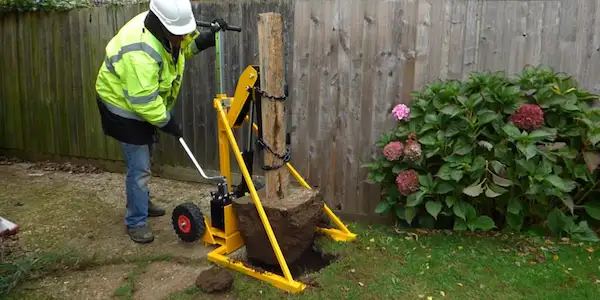
Now we’ll walk through the actual process of removing the fence post, breaking it down into manageable steps to ensure both efficiency and safety.
Loosen Soil Around the Post
Begin by taking a shovel and digging around the post. Aim to loosen the soil to a depth of about one foot. This step is important because it makes it easier to manipulate the post later on, reducing the effort needed for removal. Think of it as a necessary warm-up before the main activity.
Rock Post to Loosen
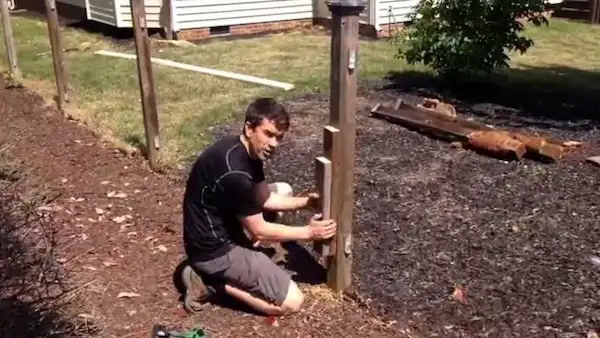
After loosening the soil, the next step involves physically interacting with the post. Gently rock the post back and forth with your hands. This motion helps to break any remaining tight grips of the soil on the post. Consider it as a firm but gentle handshake with the post, preparing it for its removal.
Use Jack and Lever
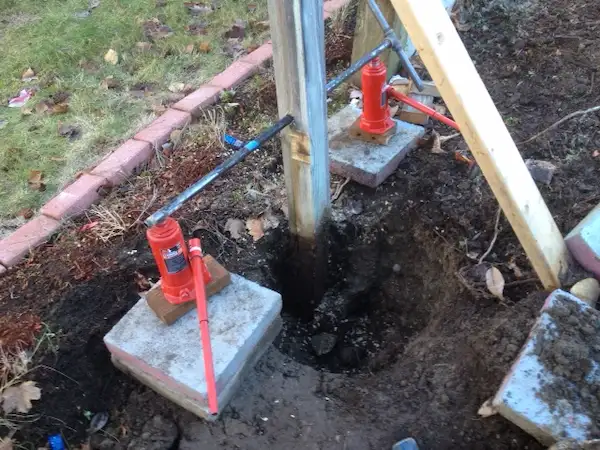
Now, introduce some mechanical assistance. Use a jack and a lever to facilitate the lifting of the post. This step is crucial and requires following all safety instructions for the tools you are using. With careful and strategic lifting, combined with a bit of wiggling, the post should start to loosen and eventually come free.
Apply Post Puller
If the post remains stubborn, it’s time to use a post-puller. This tool is specifically designed for this purpose, gripping onto the post and aiding in its upward removal. It acts like a strong, mechanical helping hand, doing much of the heavy lifting for you.
Cutting the Post
In cases where the post won’t budge by any other means, cutting it might be the only solution. Don proper safety gear, like goggles, and use a metal saw for this task. Cutting should be done as close to the ground as possible to maintain the neatness of your yard. This method is final but sometimes necessary for particularly resistant posts.
Filling the Hole and Cleanup
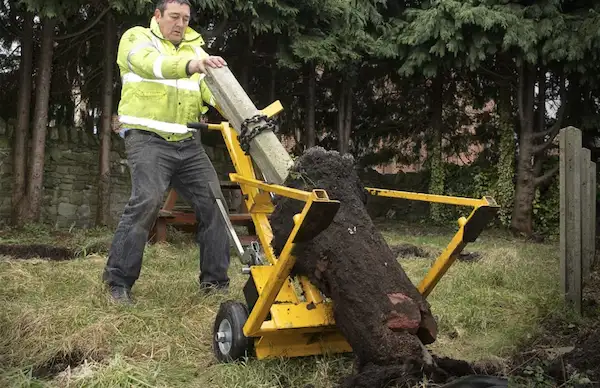
After successfully removing the metal fence post, it’s important to properly fill the hole and clean up the area. Here’s a guide on how to do it effectively:
Remove Post Base
If the post base remains in the hole, your first task is to remove it. This can typically be done with a shovel, prying it out of the ground. This step is crucial as it clears the space for fresh soil, contributing to the overall neatness of your yard. It might seem simple, but it’s an essential part of the cleanup process.
Fill the Hole with Soil
Next, fill the now-empty hole with soil. Use a shovel to transfer soil into the hole, filling it up to ground level. This step is important for restoring the integrity of your yard, making it safe to walk on, and preparing it for any future plans, be it replanting or installing another post.
Tamp Down the Soil
After filling the hole with soil, it’s necessary to compact it. Use a tamper or the back of your shovel to firmly press the soil down. This compaction prevents the soil from settling or sinking later on, ensuring a level and stable ground surface.
Replant Grass or Vegetation
For aesthetic restoration, replant grass or other vegetation where the post used to be. This step helps in blending the formerly disturbed area with the rest of your yard. Sowing grass seeds or planting small shrubs or flowers can quickly return the area to its natural state, especially with regular watering and care.
Clear Debris
Finally, clean up any remaining debris, including pieces of metal, wood, or excess soil. Dispose of these materials properly to ensure your yard is not only aesthetically pleasing but also safe. A thorough cleanup is not just about good housekeeping; it’s also a matter of safety and environmental responsibility.
Finishing Touches
After successfully removing a metal fence post, it’s essential to conduct a final assessment and make any necessary adjustments to ensure the longevity and aesthetics of your fence and yard. Here’s how to wrap up the process:
Inspect Adjacent Posts
Begin by examining the fence posts adjacent to the one you removed. Check their stability and condition. This is a vital step to ensure the ongoing safety and good appearance of your fence. It’s a quick but crucial part of the fence post removal process.
Check for Structural Damage
Now, assess the surrounding area for any potential structural damage. This involves examining the nearby ground and the remaining parts of the fence for signs of wear or instability. Confirming that everything is intact after the removal process is key to maintaining the integrity of your fence and yard.
Reinforce Surrounding Posts if Needed
If the adjacent posts appear unstable or loose, take action to reinforce them. Adding extra soil around their bases and tamping it down can provide much-needed stability. This step is important for the long-term durability and strength of your fence.
Paint or Refinish Nearby Area
Finally, consider giving the nearby area a new lease of life. Painting or refinishing the fence or ground around the removed post can significantly enhance the visual appeal of your yard. It’s a simple yet effective way to not only improve the look of your space but also to protect and maintain your fence.
By completing these finishing touches, you ensure that your fence remains secure, functional, and visually pleasing, contributing to the overall appeal and safety of your outdoor space.
FAQs
1. When should I Remove a Metal Fence Post?
You should remove a metal fence post when it’s damaged, rusted, or no longer needed. Removal is also necessary for fence upgrades or replacements, or if the post poses a safety hazard. Regular inspection for signs of wear or instability can indicate the right time for removal.
2. What Safety Gear do I Need for the Removal?
For safe removal of a metal fence post, wear sturdy gloves to protect your hands, safety goggles to shield your eyes from debris, and a hard hat to guard against any falling objects. Additionally, wear durable, closed-toe footwear for foot protection, and consider using ear protection.
Conclusion
You did it! Now you know how to remove metal fence posts step by step. It’s not just about yanking out an old post; it’s about making your fence safe and looking good again. Just remember, each part is important, from checking the fence to cleaning up. So the next time you spot a wobbly or rusty post, you’ll know just what to do.
Thanks for learning with us, and good luck on your next fence-fixing adventure!