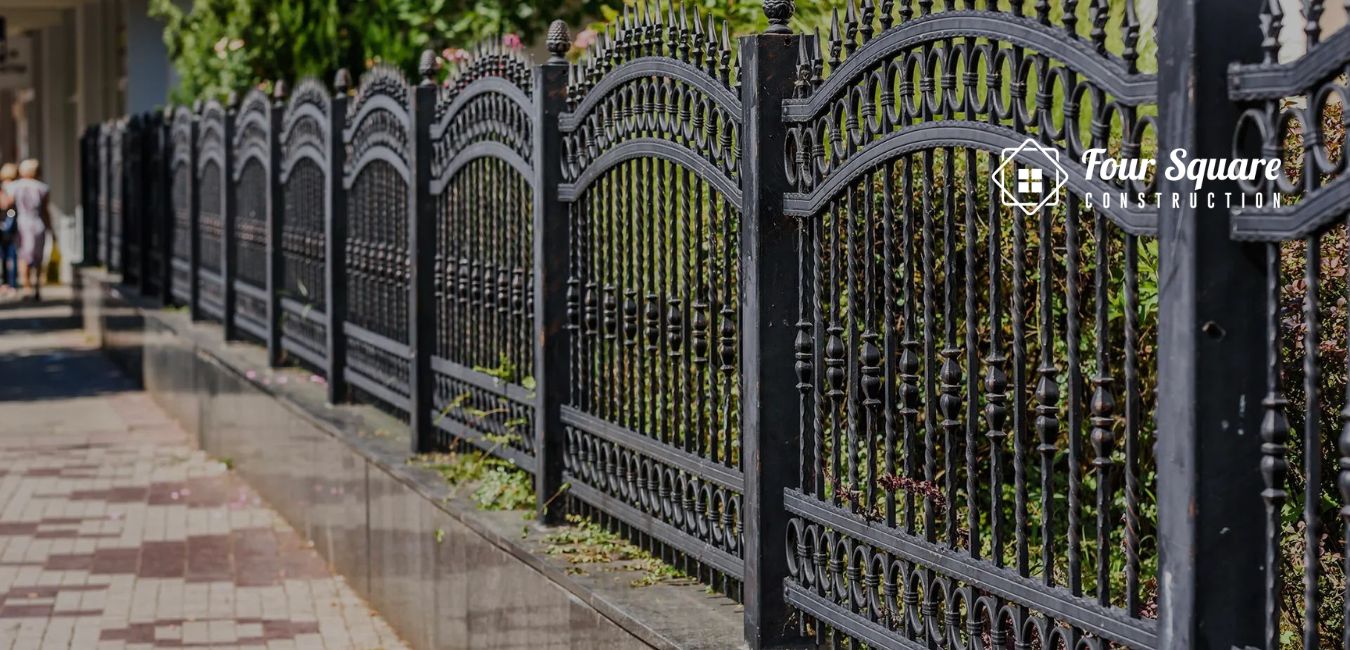
Understanding the cost of a metal fence is crucial for anyone planning to enhance their property’s security and aesthetic appeal. This guide dives deep into the factors influencing metal fence pricing, including material types, design complexity, installation charges, and maintenance costs.
The cost of a metal fence varies widely, usually ranging from $15 to $100 per linear foot. Material choice and design complexity play significant roles in determining the final price. For example, wrought iron, known for its durability is more expensive than other types of fence.
In the following sections, we’ll explore these cost factors in detail.
KEY Takeaways
- Material Types: The choice of metal, from affordable aluminum to premium wrought iron, greatly influences the fence’s cost.
- Design and Complexity: Elaborate designs and added features like gates can increase the overall expense of a metal fence.
- Installation Costs: Professional installation varies in price, depending on the complexity and length of the fence.
Material Costs

When assessing the material costs of a metal fence, it’s vital to understand how different metals affect not only the budget but also the fence’s longevity. Let’s break down these considerations in detail.
Compare Metal Types
Choosing the right metal type for your fence involves a balance between cost, durability, and aesthetic preferences. Metals like aluminum, steel, and wrought iron each offer unique benefits and drawbacks. It’s essential to compare these options to find the best fit for your needs and budget.
For example, aluminum might be more suitable for a lightweight and low-maintenance fence, whereas steel or wrought iron might be preferable for strength and durability.
Aluminum vs. Steel Fences
Aluminum fences are known for being lightweight, rust-resistant, and generally more affordable. They are a great option for those looking for a cost-effective solution without compromising too much on durability. Aluminum is also easier to install, which can save on labor costs.
On the other hand, steel fences are stronger and more durable but come with a higher price tag. They are an excellent choice for those requiring a more robust and secure fencing solution. Steel fences can withstand harsher conditions and provide a higher level of security, but they may require more maintenance to prevent rust.
Wrought Iron And More
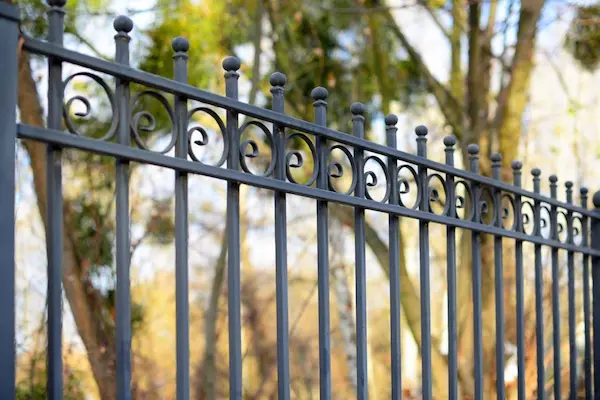
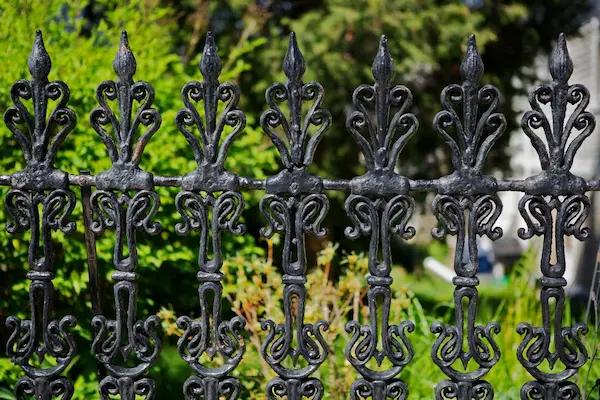
Wrought iron fences are synonymous with elegance and strength. They offer a classic, ornate look often desired for more traditional or upscale properties. However, wrought iron is generally the most expensive option due to its durability, intricate designs, and labor-intensive manufacturing process. It also requires regular maintenance to prevent rust and maintain its appearance.
Pricing Per Linear Foot
Costs are frequently calculated on a “per linear foot” basis. This pricing model allows for a straightforward comparison of different materials and styles. The cost per linear foot can vary significantly between materials like aluminum, steel, and wrought iron, and should be considered when budgeting for your project.
Additional Materials Needed
Beyond the primary metal used, additional materials such as posts, screws, gates, and decorative elements also contribute to the overall cost. These items can sometimes be overlooked in initial budgeting but are crucial for a complete and functional fence installation. It’s important to include these costs when calculating the total expense of your metal fence project.
Labor And Installation Costs
Understanding these costs and what influences them is crucial when budgeting for your fence installation. Here’s a detailed look at the factors affecting labor and installation costs in four key areas.
DIY Vs. Professional Installation
Deciding between DIY and professional installation is a major factor in determining costs. A DIY approach can save money if you have the necessary skills and tools, but it requires time and effort. Mistakes made during a DIY installation can lead to increased costs in the long run.
In contrast, hiring professionals ensures a quick and efficient job, though at a higher cost. Professional installation provides expertise and peace of mind, especially for complex projects.
Cost Of Hiring Contractors
When hiring professional contractors, you’re paying for their skills and experience. Hourly rates typically start around $50 but can increase based on the complexity of the design and local labor rates. Professional contractors can complete the job more quickly and with a higher quality of work, which can be a worthwhile investment for many homeowners.
Installation Complexity Impact
The complexity of your fence design directly impacts installation costs. Simple, straightforward designs are generally less expensive to install compared to intricate or custom designs. Factors like uneven terrain, slopes, or other challenging landscape features can increase installation difficulty and cost.
The more complex the installation, the more time and skill it requires, leading to higher labor costs.
Including Post And Gate Installation
Installing posts and gates is an integral part of the fence installation process, and it adds to the overall cost. Posts often require concrete foundations for stability, and gates need additional hardware and careful alignment. These elements are essential for a functional and durable fence but come with additional material and labor expenses.
It’s important to factor in these costs when calculating your total budget for the fence installation.
Total Project Costs
Understanding all the costs helps you plan better. Let’s break it down into 4 steps.
Calculate Overall Expenses
Your first job is to make a detailed list of all costs involved. This means adding up the metal costs, extra materials like screws and posts, and labor charges if you’re using professionals. A well-prepared list gives you the true scope of your financial commitment.
Account For Extra Costs
Budgeting for a project like this isn’t just about obvious costs. Unexpected things happen. You find out the soil condition requires specialized digging, or you decide to add a special feature like an ornamental gate. It’s smart to have a cushion in your budget for these surprises.
Cost Savings With DIY
Doing the project yourself? That’s a great way to save on labor costs. However, remember that you’ll need to invest in tools, and your time is also valuable. It seems like you’re saving a lot initially, but make sure to account for everything to get an accurate picture.
Obtaining Multiple Quotes
Before committing to any contractor, it’s good practice to collect at least three different quotes. This isn’t just about finding the cheapest option; it’s about understanding the value each contractor brings. This will give you an idea of what the standard rate is for your specific fence project.
Maintenance And Long-Term Costs

Understanding the long-term costs helps you make a smarter, more informed decision. Let’s consider the 3 factors for maintenance and long-term costs.
Maintenance Expenses Over Time
Your fence will need some love as the years go by. This means painting, perhaps some rust removal, and general cleaning.
Each type of metal has its own care needs, so make sure to factor in these regular maintenance costs when budgeting for your fence.
Consider Powder Coating
Want a fence that’s easy to take care of? Powder coating is a technique that can make your fence more durable and easier to clean. It’s an upfront cost but can save you money on maintenance in the long run.
This option is worth considering if you want to minimize upkeep.
Repair And Replacement Costs
Fences don’t last forever. Even metal ones need repairs, like fixing a bent post or replacing a section damaged by a fallen tree. These are costs that pop up down the line, so it’s smart to think about them now.
FAQs
1. What Are The Main Cost Factors For Metal Fencing?
The primary cost factors for metal fencing include the material and gauge of the fencing panels, post type, size of the installation area, terrain features, labor rates to install, and transportation fees. But metal can have a long lifespan, making it a wise long-term investment in fencing.
2. How Does The Choice Of Metal Impact Costs?
The choice of metal greatly impacts costs. Some metals, like aluminum, are cheaper than others like wrought iron. However, different metals have varied durability and maintenance needs, which can influence long-term expenses. Always compare metal types for a full-cost view.
How Much Does A Metal Fence Cost: Conclusion
So, you’ve been wondering, “How much does a metal fence cost?” Well, now you’ve got the tools to find out! From choosing the metal to deciding who installs it, to keeping it in great shape for years, each step has its own costs.
But with a little planning and smart choices, a shiny new metal fence is definitely within reach. Go for a metal fence because it’s better than wood and other types. Remember, a fence isn’t just a boundary; it’s an investment in your home and peace of mind.
Make sure to add up all the costs, consider long-term care, and choose what’s best for you. Happy fencing!


