
Salting a gravel driveway is a topic that brings about various opinions and practices. While some see it as a quick solution for melting ice and snow, others advise against it, highlighting potential harm to the environment and the driveway’s structure.
While salt may seem like an easy option for melting snow and ice on gravel driveways, better alternatives are gentler on your landscape. Consider trying sand or kitty litter for improved traction during winter weather. And be sure to shovel regularly.
In the following sections, we will dive deeper into why salting a gravel driveway is not advised, exploring the adverse effects.
KEY Takeaways
- Risk of Damage: Using salt on a gravel driveway can lead to gravel displacement and damage the driveway’s structure over time.
- Environmental Impact: Salt can harm nearby plants and contribute to water pollution, impacting the local ecosystem.
- Safer Alternatives: Alternative methods and materials exist to manage ice and snow on gravel driveways.
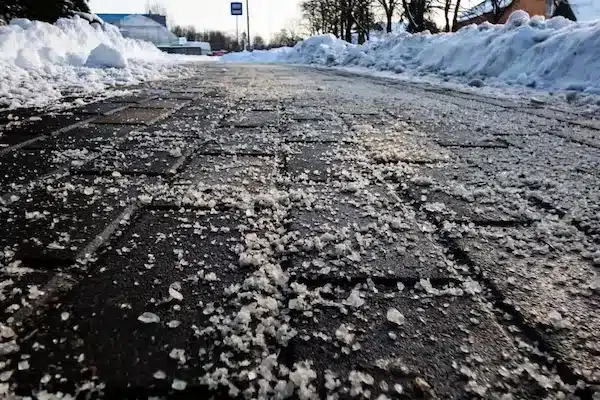
Alternatives to using salt on gravel driveways
Addressing ice on gravel driveways without salt is crucial to prevent damage to the driveway and nearby plants. There are several effective alternatives to consider:
- Sand: Sand provides excellent traction on icy surfaces, making the driveway safer for walking and driving. It is also less harmful to the environment than salt.
- Kitty Litter: While not as effective as sand, kitty litter can absorb moisture and provide temporary traction on icy surfaces.
- Wood Ashes: If you can access wood ashes, they can be spread on the driveway to create traction and help melt the ice.
- Beet Juice Mixture: A mixture of beet juice and salt brine can be used to pre-treat surfaces and lower the freezing point of ice, making it easier to remove.
- Calcium Magnesium Acetate (CMA): CMA is a salt-free alternative that is less corrosive and more environmentally friendly, though it can be more expensive.
Maintenance tips for gravel driveways in winter

In addition to using alternative de-icing methods, it is also essential to maintain your gravel driveway during the winter months. Here are some tips:
Remove Snow and Ice Promptly:
The more prolonged snow and ice sit on your driveway, the more difficult it will be to remove them. Invest in a good snow shovel or snow blower to clear snow as soon as possible. You can also hire professional snow removal services if needed.
Use Sand or Kitty Litter for Traction:
As mentioned earlier, sand or kitty litter can help improve traction on icy surfaces. Make sure to keep a stock of sand or kitty litter handy during winter so you can apply them as needed. Spreading them thinly and evenly on your driveway is best to avoid clumping.
Fill in Potholes and Depressions:
Potholes and depressions can collect water, which can freeze and expand, causing more damage to your driveway. Fill these areas with gravel to level the surface and prevent water from accumulating. It is best to do this before the winter season starts.
Install a Drainage System if Needed:
If your gravel driveway is prone to flooding, it may be necessary to install a drainage system to prevent water from accumulating and freezing. A French drain or a catch basin can divert water from your driveway.
Regularly Inspect Your Driveway:
Inspect your driveway regularly for any signs of damage, such as potholes or cracks. Repair them as soon as possible to prevent further damage. You can also consider applying a layer of fresh gravel to your driveway to level the surface and improve its appearance.
FAQs
What kind of salt do you use for a gravel driveway?
Rock salt is not recommended for gravel driveways, as the sodium chloride can damage the gravel and surrounding vegetation over time. A better option is to use calcium chloride or magnesium chloride deicers. These are made less harmful to concrete, gravel, and plants.
What happens if you put salt on a gravel road?
Using salt on a gravel road can lead to some detrimental effects. The salt can seep into the gravel and soil, contaminating groundwater. The sodium from the salt can also kill surrounding grass, plants, and trees over time.
Is salt or sand better for gravel driveway?
Sand is generally better than salt for gravel driveways. Salt can seep into gravel and soil, damaging the base over time. The chlorides from salt can also harm surrounding plants and grass. Sand provides traction on top of ice without eroding gravel or killing vegetation.
What is the best way to remove snow from a gravel driveway?
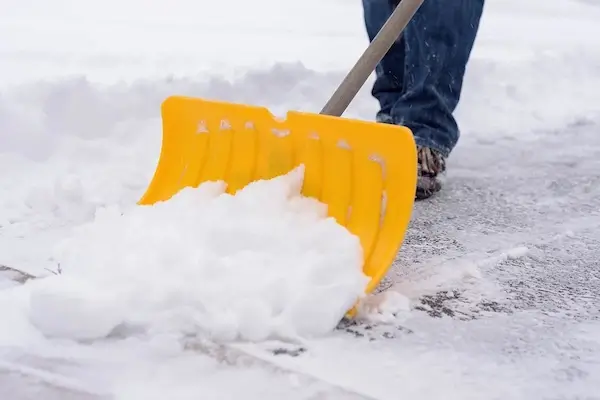
The safest and most effective method is to use a snow shovel or pusher explicitly designed for gravel surfaces. Metal shovels can scrape and damage gravel. Try to push snow to the sides rather than lifting it whenever possible. For heavy snow, a snow blower will work.
Conclusion
While salting a gravel driveway can effectively melt snow and ice, it’s not the best choice due to potential long-term damage and environmental impact. Alternatives like sand, kitty litter, wood ashes, beet juice mixtures, and calcium-magnesium acetate offer safer and eco-friendly options. Prioritizing these alternatives helps maintain a functional driveway and contributes to environmental preservation.


