
A driveway is something that you should not overlook. It deserves attention because it’s the first thing people see as they approach the house by car, foot, or bicycle. A cracked driveway with weeds poking through, like a ragged, washed-out old doormat at the front entrance, gives the appearance of a neglected home.
An Asphalt Millings Driveway is a cost-effective and eco-friendly option. It’s created by recycling old asphalt, which is crushed and compacted to form a durable surface. Proper installation and maintenance can provide a smooth and long-lasting driveway solution for your home.
So, in this article, I will explain why an asphalt milling driveway is a feasible option over tons of alternatives.
KEY Takeaways
- Cost-Effective: Asphalt milling driveways are budget-friendly and often cheaper than traditional asphalt or gravel options.
- Eco-Friendly: They are an eco-conscious choice as they recycle old asphalt, reducing waste in landfills.
- Durability: Properly installed, asphalt milling driveways can be durable and require less maintenance than other materials.
What Is Milled Asphalt?
Milled asphalt, also known as reclaimed asphalt pavement (RAP), is a sustainable paving material obtained by grinding up old asphalt surfaces. It’s often reused in new asphalt projects, offering cost savings and environmental benefits by reducing waste and conserving natural resources.
After its service life has elapsed, the asphalt is recovered, pulverized, and redistributed as milling. The residual material will subsequently be utilized as a foundation for pouring new asphalt. As a recycled asphalt chunk, milling shares many of the same qualities as new asphalt or gravel but with varying benefits.
Is Asphalt Millings Good for Driveways?
Asphalt millings can be an excellent choice for driveways. They are cost-effective, eco-friendly, and durable. When properly installed and maintained, asphalt millings can provide a smooth and sturdy surface, making them a practical option for homeowners looking to enhance their driveways.
One of the benefits of asphalt milling is that they are relatively easy to install and maintain. They can be compacted and graded to create a smooth and level surface for your driveway.
Additionally, the rough texture of the millings provides good traction, which can be especially important in wet or snowy conditions.
However, there are some potential drawbacks to using asphalt millings for driveways. One is that they may not be as durable as traditional asphalt or concrete. Over time, the millings may break down and require additional maintenance. Additionally, if the millings contain oil or other contaminants, they may leach into the soil and pose a risk to the environment.
Is An Asphalt Millings Driveway A Good Option For You?
An asphalt milling driveway can be a smart choice for many homeowners. It’s cost-effective, environmentally friendly, and durable when correctly installed. Assess your needs, budget, and environmental concerns to determine if it’s the right option to enhance your property’s curb appeal and functionality.

Reason For Choosing Asphalt Millings Driveway Entrance
Whether you install an asphalt milling driveway is entirely up to you. I will explain a few facts about choosing an asphalt milling driveway here. And obviously, it is doable.
1. Eco-Friendly
Asphalt millings driveways are an excellent solution for being environmentally friendly and cost-effective. This is because they are a byproduct of another process and can be recycled 100 percent. Asphalt milling are not only a recyclable resource, but they also take less time and effort to produce and install than hot mix asphalt.
2. Low-Maintenance
In comparison to surfaces composed of other materials, asphalt millings driveways require little upkeep. Asphalt millings driveways have a longer lifespan as a result of this. Millings do not need to be raked or polished regularly, and the surface will harden with time.
After the millings have been compacted, they just need to be graded and re-compacted regularly, which is usually less expensive than repairing cracks and sealing the surface of paved asphalt. Recycling asphalt is a great option if you want to save money on upkeep.
Furthermore, weeds and grass have a hard time growing through asphalt milling driveways, so even if you don’t maintain it, your driveway will look pristine. A well-constructed asphalt millings driveway can dramatically boost your home’s value.
3. Durable
Unlike freshly installed asphalt, millings are not linked together with piping-hot liquid bitumen, but they have some of the same qualities when crushed properly. Asphalt millings can resist harsh weather and even aid in the melting of snow and ice.
The newly compacted driveway at your house will harden over time, providing a stable surface for your cars to park on and for your kids to play on.
4. Cost-Effective
Because asphalt milling does not necessitate using fresh materials, contractors can drastically reduce the cost of installing asphalt millings driveways.
The millings are a flexible and cost-effective alternative to traditional pavement materials. If asphalt milling appear to be your best option, you will win.
Asphalt Milling Driveway Pros and Cons
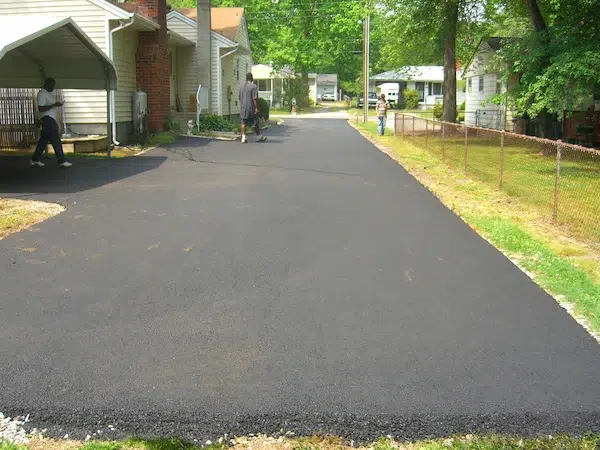
Asphalt milling driveways can have both advantages and disadvantages. Here are some pros and cons to consider:
Pros of Asphalt Milling Driveway:
Cost-effective: Asphalt millings are often less expensive than traditional asphalt or concrete driveways. They can be a good option for those on a budget or for those looking for an eco-friendly option.
Environmentally friendly: Asphalt millings are a recycled material, which means they are better for the environment than new asphalt or concrete. Using milling instead of new materials can reduce the amount of waste that ends up in landfills.
Good traction: The rough texture of asphalt millings provides good traction, which can be especially important in wet or snowy conditions.
Easy to install: Asphalt millings are relatively easy to install and can be compacted and graded to create a smooth and level surface.
Cons of Asphalt Milling Driveway:
Durability: While asphalt millings can be a good choice for a driveway, they may not be as durable as traditional asphalt or concrete. Over time, the millings may break down and require additional maintenance.
Environmental concerns: If the asphalt millings contain oil or other contaminants, they may leach into the soil and pose a risk to the environment.
Appearance: Some people may not like the appearance of an asphalt milling driveway. It can have a rough texture and may not look as sleek as a traditional asphalt or concrete driveway.
Maintenance: Asphalt millings may require more maintenance than traditional asphalt or concrete driveways. Over time, they may need to be regraded and compacted to maintain a smooth and level surface of the concrete driveway.
How Thick Should Asphalt Millings Be
The thickness of asphalt millings for a driveway will depend on a few factors, such as the expected traffic and the condition of the base material. However, as a general rule, a thickness of 2 to 3 inches is typically recommended for asphalt milling.
If the base material is in good condition and can support the weight of vehicles, a thinner layer of millings may be sufficient. However, if the base material is weak or unstable, a thicker layer of millings may be needed to provide the necessary support.
It’s essential to work with a professional contractor who can assess your situation and recommend the appropriate thickness of asphalt millings for your driveway. They will consider factors such as the expected traffic, climate, and soil conditions to ensure that your driveway is strong, durable, and able to withstand the demands of regular use.
Can You Put Asphalt Millings Over Gravel?
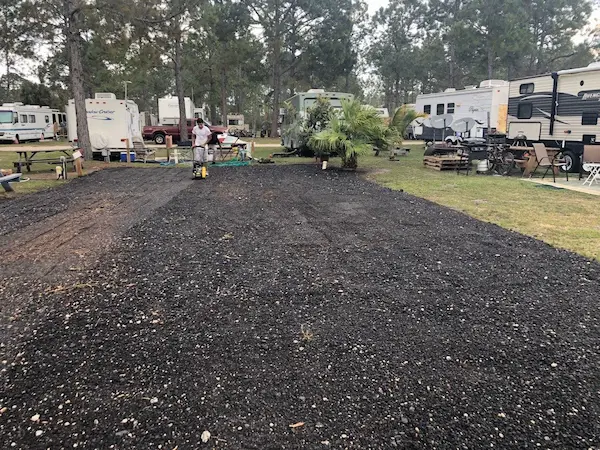
Yes, you can apply asphalt millings over gravel to create a stable and durable surface. Proper compaction and grading are essential for a successful installation. This cost-effective method can provide an upgraded driveway or parking area with the proper preparation and maintenance.
First, the gravel should be graded to ensure that it is level and compacted. This will help to create a stable base for the millings and prevent the surface from shifting or settling over time.
Next, a layer of geotextile fabric should be laid over the gravel. This will help to prevent the millings from mixing with the gravel and provide additional stability.
Once the fabric is in place, the asphalt millings can be spread over the top of the gravel and compacted. This will create a smooth and level surface that is suitable for use as a driveway.
Will Asphalt Millings Wash Away?
Asphalt milling can erode or wash away if not properly installed or maintained. Adequate compaction, grading, and sealing are essential to prevent erosion and ensure longevity. Proper care ensures that asphalt millings can withstand weather and traffic, minimizing the washout risk.
If the surface on which the asphalt millings are installed has a steep slope, there is a higher chance that the millings may wash away during heavy rainfall. In these cases, additional measures, such as installing drainage systems or using erosion control fabrics, may be necessary to prevent erosion.
The quality of the installation is also essential. If the asphalt millings are not correctly compacted or graded, they may be more susceptible to washing away. Working with a professional contractor with experience installing asphalt millings is essential to ensure the surface is adequately prepared and installed.
Asphalt Milling Cost Per Square Foot
The cost of asphalt milling per square foot can vary depending on several factors, including the materials’ quality, the project’s size, and the location. Asphalt milling typically costs between $0.20 and $0.40 per square foot.
However, it’s important to note that this cost is for the millings alone and does not include the cost of any additional materials or labor required for the installation. Additional costs may include grading and compaction of the base material, installation of geotextile fabric or other materials, and labor costs for installation.
The installation cost may also vary depending on the size of the project. Larger projects may have a lower cost per square foot, while smaller projects may have a higher cost per square foot due to fixed costs associated with the installation.
How Much Do Asphalt Millings Cost?
The cost of asphalt milling can vary depending on several factors, such as the location, the amount needed, and the quality of the materials. Asphalt milling can cost anywhere from $15 to $25 per ton, which translates to roughly $0.20 to $0.40 per square foot.
The cost of asphalt milling is typically lower than that of new asphalt, which can cost upwards of $100 per ton. Additionally, recycled asphalt milling can be more environmentally friendly and sustainable.
Cost To Repave Driveway Made With Asphalt
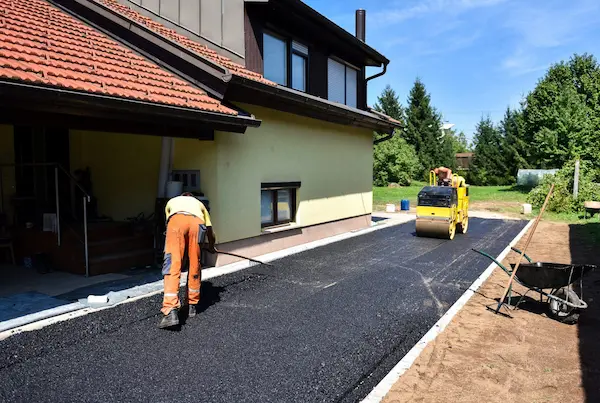
The cost to repave an asphalt driveway can vary widely based on size, location, and condition. On average, expect to pay between $2,000 to $10,000 or more for a standard residential driveway. It’s best to obtain multiple quotes from local contractors for an accurate estimate.
The average cost of paving an asphalt driveway is $4,912. This project will cost $7 to $13 per square foot, with products costing $2 to $6 per square foot and labor costing $5 to $7 per square foot. You’ll pay $8 to $15 per square foot for a replacement if you need it.
Frequently Asked Questions (FAQ)
1. What Is The Lifespan Of A Milling Driveway?
The lifespan of a milling driveway depends on factors like climate, maintenance, and usage. With proper care, it can last 10-20 years or more. Regular sealing and repairs can extend its life, making it a durable and cost-effective choice for homeowners.
2. Does Asphalt Milling Get Hard?
Yes, asphalt milling does get hard. After installation, it cures and becomes a durable, solid surface. Proper compaction and weather conditions play a role in achieving the desired hardness, ensuring a sturdy and long-lasting driveway or pavement
3. Do Asphalt Millings Need To Be Compacted?
Yes, compacting asphalt millings is crucial for a stable, long-lasting surface. Proper compaction ensures that the millings bond together, reducing the risk of settlement, erosion, and the creation of potholes. This step is essential for a durable and functional driveway or pavement.
4. What Is the Best Base for Asphalt Driveway?
The best base for an asphalt driveway is typically a sturdy aggregate material like crushed stone or gravel. This provides excellent support and drainage. Proper compaction and thickness are essential for a stable and long-lasting asphalt surface on top of the base.
Conclusion
Asphalt milling driveway should be considered if you’re looking for a low-cost, long-lasting material for a road or driveway. It is affordable as well as gives an outstanding look. However, the choice is yours, and you have plenty of options.


