
A metal roof is known for its durability and long lifespan. Unlike traditional roofing materials, metal roofs can last longer with proper care. So, how long does a metal roof last?
A metal roof can last between 40 to 70 years. This will depend on some factors. For example, the type of metal, quality of materials, installation, climate, and maintenance. With proper care and maintenance, some metal roofs can even last over 100 years. For example, roofs made of copper or zinc.
This article will explore the factors that influence the lifespan of a metal roof. It will also explain the types of metal roofs available and the expected lifespan of each type. We’ll also provide maintenance tips to help you get the most out of your metal roof.
KEY Takeaways
- Material Quality: High-quality metals last 40-70 years. Some, like copper and zinc, can last over 100 years.
- Proper Installation: It ensures long life by preventing leaks, rust, and other structural issues in the roof.
- Regular Maintenance: Regular inspections and prompt repairs help extend the roof’s lifespan significantly. They also prevent significant damage.
Factors Influencing Metal Roof Lifespan
The lifespan of a metal roof depends on several factors. These include the quality of materials used, how well the roof is installed, the climate and weather conditions, and how regularly the roof is maintained. Understanding these factors can help you keep your metal roof in good shape for many years.
Quality Of Materials
The quality of materials used in a metal roof is essential for its longevity. High-quality metals, like aluminum, copper, and zinc, are strong and resist rust and damage better than cheaper metals. Special coatings on these metals also help protect the roof from the weather.
By choosing top-grade materials for your metal roof, you can make sure it lasts a long time and stays in good condition. This means less need for repairs and a roof that will protect your home for many years.
Installation Process

The installation process is essential for the longevity of a metal roof. When a roof is not installed correctly, it can have problems like leaks and damage, which make it wear out faster. To avoid these issues, hiring experienced professionals who know how to install metal roofs properly is best.
Professionals will make sure everything fits securely and works well. You also must know how to flash a metal roof. Proper installation and exact flashing make your roof strong and last long, protecting your home from the weather. It also helps keep your roof in good shape for many years.
Climate And Weather
Climate and weather where you live can affect how long a metal roof lasts. Extreme weather, like heavy snow, hail, and strong winds, can damage the roof and make it wear out faster. Yet metal roofs are strong and usually do well in many types of weather.
Metal roofs are tough and durable and can handle hot, cold, and rainy conditions better than other roofs. Knowing how your local weather affects your roof can help you take steps to protect it and make it last longer.
Maintenance Practices
Regular maintenance is essential to keeping a metal roof in good shape. Without it, your roof can rust, develop leaks, and even suffer structural damage. To keep your roof in good shape, check it regularly, clean it well, and fix any problems immediately.
This helps prevent bigger issues and keeps your roof strong and secure. Proper upkeep means your metal roof can protect your home for many years without major repairs. Regular maintenance is the key to a long-lasting metal roof.
Types Of Metal Roofs
There are metal roofs, each made from metals like aluminum, steel, copper, and zinc. Each type has unique benefits and characteristics. Knowing about these different types can help you choose the best metal roof for your home, considering durability, cost, and appearance.
Aluminum Roofs
Aluminum roofs are a great choice because they are lightweight and don’t rust easily. This makes them perfect for homes near the ocean, where the salty air can cause other metals to corrode.
When you take good care of them, aluminum roofs can last a long time, usually between 40 and 70 years. This means checking for damage, cleaning off debris, and fixing any problems quickly. An aluminum roof can protect your home for many years with proper maintenance.
Steel Roofs
Steel roofs are solid and affordable, making them a popular choice for many homes. To prevent rust, they are often coated with zinc or a mix of zinc and aluminum. These coatings protect the steel from rain and moisture. A well-maintained steel roof can last between 40 to 60 years.
To keep the roof in good condition, it’s essential to check it regularly, clean off any dirt or debris, and fix any problems immediately. With the right care, a steel roof can provide reliable protection for your home for many years.
Copper Roofs

Copper roofs are famous for their beautiful look and long life. They can last over 70 years and sometimes more than 100 years. As copper ages, it forms a greenish layer called patina, which protects it from rust and corrosion. This means copper roofs stay strong and look nice for a very long time.
To keep a copper roof in good shape, it’s essential to check it regularly and make any needed repairs. With proper care, a copper roof can protect your home for many decades and make it look great.
Zinc Roofs
Zinc roofs are solid and good for the environment. They develop a natural patina layer that protects them from rust and corrosion. This means they can last a long time, between 60 to 100 years, with proper care. Zinc roofs are also recyclable, making them a great choice if you consider being eco-friendly.
To keep a zinc roof in good condition, you must check it regularly and fix any issues immediately. Regular maintenance ensures a zinc roof can last many years, protecting your home and helping the environment.
Expected Lifespan Of Metal Roofs
The expected lifespan of a metal roof varies depending on the type of metal, the quality of the materials, and how well it’s maintained. Metal roofs are known for their durability and can last much longer than other roofing materials. This section will explain how long different metal roofs can last.
Average Lifespan Of Metal Roofs
On average, metal roofs can last between 40 to 70 years, making them much longer-lasting than many other types of roofs. For example, traditional asphalt shingles usually only last 15 to 20 years. Metal roofs are made from solid materials like aluminum, steel, copper, and zinc, which can withstand weather and time better.
This means you won’t need to replace a metal roof as often, saving money and effort in the long run. With proper care and maintenance, a metal roof can protect your home for many decades.
Lifespan Comparison By Material
Look at the following table for a brief idea of lifespan comparison by roof material.
| Material | Lifespan | Description |
| Aluminum | 40 to 70 years | Lightweight and rust-resistant, it is ideal for coastal areas and requires minimal maintenance. |
| Steel | 40 to 60 years | Solid and affordable, often coated with zinc or aluminum to prevent rust. |
| Copper | Over 70 years | Aesthetic appeal with a natural patina can last over a century with proper care. |
Zinc | 60 to 100 years | Durable and eco-friendly, forms a protective patina, highly recyclable. |
Longevity With Proper Maintenance
Proper maintenance can make a metal roof last much longer. This means regularly checking the roof for damage, cleaning off leaves and dirt, and fixing any problems immediately. By doing these simple tasks, you can prevent rust, leaks, and other issues that shorten the roof’s life.
Regular upkeep helps keep the roof in good shape, protecting your home for many years. With proper care, a metal roof can last up to its full potential lifespan, giving you reliable and long-lasting protection.
Maintenance Tips For Longevity
Taking care of your metal roof is essential to make it last a long time. Simple maintenance tasks can keep your roof in good shape and prevent damage. This section will share some easy tips, like regular inspections, cleaning, and quick repairs, to help your metal roof last as long as possible.
Regular Inspections
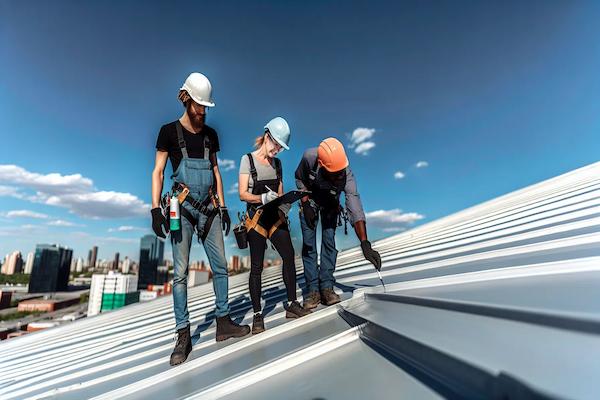
Regular inspections are essential to keep your metal roof in good condition. You must check your roof at least twice yearly and after big storms. Look for any damage, rust, or loose or missing fasteners. Finding problems early can help you fix them before they become bigger issues.
This way, you can prevent leaks and other damage that could shorten the life of your roof. Regularly inspecting your roof ensures it stays strong and lasts a long time, protecting your home from the weather.
Cleaning Debris
Cleaning debris off your metal roof is essential to keep it in good shape. Leaves, branches, and dirt can trap moisture, which can cause rust and other damage over time. By regularly cleaning your roof, you can prevent these issues. Use a soft broom or a leaf blower to remove the debris gently.
Check the gutters and downspouts, too, as clogged gutters can lead to water buildup on the roof. Keeping your roof clean helps it stay strong and last longer, protecting your home from the elements.
Addressing Damage Promptly
It is very important to address damage to your metal roof right away. When you see dents, rust, or leaks, fix them immediately. Waiting to repair these problems can cause more serious damage and shorten the roof’s lifespan. For example, a small leak can become a big leak, leading to water damage inside your home.
Rust can spread and weaken the metal, making the roof less sturdy. By fixing issues quickly, you keep your roof strong and help it last long. Regularly check for damage and make repairs to protect your roof and home.
Recoating And Sealing
Recoating and sealing your metal roof every few years is vital to protect it from the weather. This process involves adding a new protective layer on the roof to prevent rust and corrosion. Over time, the original coating can wear off due to sun, rain, and other elements.
By recoating, you restore this protection and help your roof last longer. Giving your roof a fresh shield against damage seems to be giving your roof a fresh shield against damage. Regularly recoating and sealing keeps your roof in good condition and ensures it can continue to protect your home for many years.
FAQs
What Factors Influence The Lifespan Of A Metal Roof?
Several factors affect how long a metal roof lasts: the quality of materials, proper installation, climate and weather conditions, and regular maintenance. High-quality materials, coatings, professional installation, and routine inspections and repairs contribute to a longer-lasting metal roof.
Can The Color Of The Metal Roof Affect Its Longevity?
Yes. The color of a metal roof can affect its longevity. Lighter colors reflect sunlight. It reduces heat absorption and potential damage. This is while darker colors absorb more heat, which can cause faster wear. Choosing a reflective color can help extend the lifespan of your metal roof.
What Types Of Metal Are Most Durable For Roofing?
Copper, zinc, and steel are the most durable metals for roofing. Copper can last over 100 years. Zinc can last 60 to 100 years. Again, steel can last 40 to 60 years with proper maintenance. These metals are strong and resist corrosion and wear. It makes them ideal for long-lasting roofs.
Conclusion
A metal roof can last for many decades if you take good care of it. The quality of the materials used, the way the roof is installed, the weather in your area, and how well you maintain it all play a role in its lifespan.
Using high-quality materials and hiring professionals for installation helps your roof last longer. Regular maintenance, like checking for damage, cleaning off debris, choosing suitable colors, and making repairs quickly, also keeps your roof in great shape.
By understanding these factors and following simple maintenance tips, you can ensure that your metal roof remains strong and reliable, protecting your home for many years.


