People often worry that metal roofs attract lightning. This leads to many questions about safety. But, do metal roofs attract lightning in reality?
No. Metal roofs do not attract lightning more than other types of roofs. Lightning usually strikes the tallest object in an area, regardless of the material. Metal roofs are safe because they conduct electricity well, allowing the energy from a thunderbolt to be safely directed to the earth.
This extensive article explores this matter in detail. It discusses the safety features of metal roofs. Read it to learn and discover more.
KEY Takeaways
- Myth: Metal roofs are no more likely to be struck by lightning than other roof types.
- Conduction: Metal roofs safely conduct electricity from lightning. They direct it to the earth without causing harm.
- Safety: Properly grounded metal roofs ensure safety. This is during lightning storms by directing electricity safely.
Nature Of Lightning
Lightning is a powerful and natural electrical discharge in the atmosphere. It happens when there is a buildup of electrical charges in storm clouds. When these charges become strong enough, they create a bolt of lightning. It travels between the cloud and the land, balancing the electrical energy.
How Lightning Forms

Lightning forms when electrical charges build up in clouds during a storm. Inside the cloud, tiny ice particles and water droplets bump into each other. They create positive and negative charges. The positive charges move to the top of the cloud, while the negative charges move to the bottom.
When the difference between the charges in the cloud and the land becomes too great, a strong electric current, a lightning bolt, forms to balance these charges. This lightning bolt travels from the cloud to the land. It releases much energy in a bright flash and a loud thunderclap.
Factors Attracting Lightning
Lightning often strikes the tallest objects in an area. For example, trees, tall buildings, and poles. This happens because the tallest objects provide the shortest path. This is for the lightning to reach the land. The object’s material does not significantly affect whether it will be struck by lightning.
Instead, the height, shape, and how isolated the object is from others are the main factors that determine where lightning will strike. This is why tall and solitary structures are more likely to be hit during a storm.
Common Misconceptions
Many people think that metal objects, like roofs, attract lightning. This belief is not true. Metal can conduct electricity well, so it can safely carry the electric current from a thunderbolt to the earth. Still, metal does not attract lightning more than any other material.
The chances of a metal roof getting hit by lightning are the same as those for roofs made of other materials, as long as they are in the exact location. The key factors are the height and isolation of the object, not the material it is made from.
Properties Of Metal Roofs
Metal roofs are known for their durability and ability to conduct electricity. These properties make them strong and long-lasting. Metal roofs can handle extreme weather conditions and are good at directing electricity safely to the land during a thunderbolt, making them a reliable choice for homes.
Material Conductivity
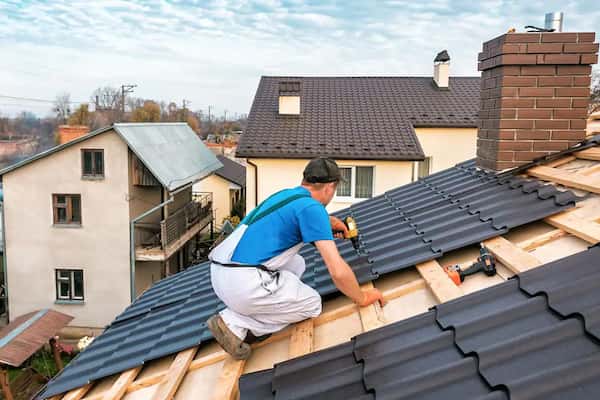
Metal is a suitable conductor of electricity, allowing electricity to pass through it easily. When lightning hits a metal roof, then electricity can travel through the metal and safely reach the land. This ability to conduct electricity helps manage the powerful energy from a thunderbolt, preventing damage to the building.
Metal roofs can direct lightning’s energy away from the house, protecting the structure and the people inside from harm. This makes them a safe and effective choice in lightning-prone areas.
Comparison With Other Materials
Look at the following table to compare it with other materials.
| Material | Likelihood Of Lightning Strike | Explanation |
| Metal Roofs | Same as other materials | Metal roofs do not attract lightning more than other materials. |
| Wood Roofs | Same as other materials | Wood roofs have the same chance of being struck when they are in the same location and height. |
| Asphalt Shingles | Same as other materials | Asphalt shingle roofs are equally likely to be hit by lightning when they are similar in height. |
The likelihood of a thunderbolt is the same when all materials are at the same height and location, whether metal, wood, or asphalt.
Roof Design Factors
The design of a roof can influence the chance of a thunderbolt. Roofs with sharp points and edges are likely to be hit by lightning. This is because lightning is attracted to the highest and sharpest points. Still, this likelihood is related to the shape of the roof, not the material it is made from.
Whether the roof is metal, wood, or asphalt, the design features like points and edges make it more or less likely to attract lightning. Therefore, the shape of the roof is a key factor in determining the risk of a thunderbolt.
Safety Features Of Metal Roofs
Metal roofs have several safety features that make them a good home choice. They are designed to handle lightning strikes safely by directing the electrical energy to the soil. With proper installation and grounding, metal roofs can protect buildings from damage during storms, making them a reliable option.
Built-In Safety Mechanisms
Metal roofs often come with built-in safety features to protect against lightning strikes. These features include special systems that help direct the electrical energy from lightning safely to the land. For example, metal roofs can have lightning rods and grounding wires installed.
The lightning rod attracts the lightning, and the grounding wires provide a safe path for the electricity’s travel into the earth. This helps prevent damage to the roof and the building, keeping everyone inside safe during a storm. These built-in mechanisms make metal roofs a safe and effective choice in lightning-prone areas.
Industry Safety Standards
Metal roofs must follow strict safety standards to handle electrical discharges effectively. These standards include specific guidelines for how the roofs must be installed and grounded. Proper installation means ensuring all roof parts are securely attached and connected.
Grounding involves creating a safe path for electricity to travel into the earth. These safety standards help ensure that metal roofs can protect buildings and people during lightning storms. By following these rules, metal roofs are designed to manage the energy from lightning strikes safely.
Installing Lightning Rods
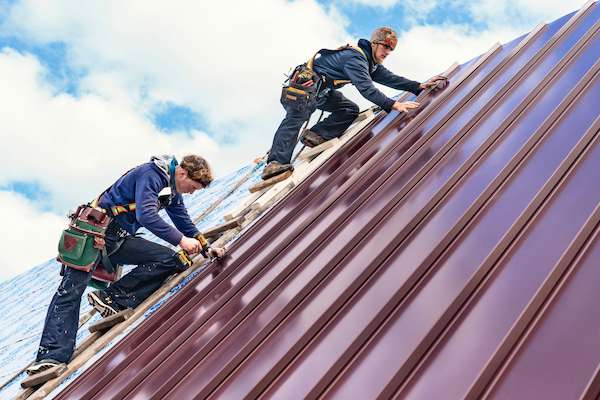
Adding lightning rods to a metal roof improves safety by attracting lightning and providing a direct path to the earth. Lightning rods are tall, pointed metal rods installed on the roof. When lightning strikes, the rod attracts the lightning, and then electricity travels down a wire connected to the earth.
This setup prevents lightning from damaging the roof and the building. Lightning rods help protect the structure and keep everyone inside safe during a storm by directing the electrical energy safely to the earth. This makes lightning rods a valuable addition to metal roofs.
Grounding Metal Roofs
Grounding is very important for metal roofs. It means creating a safe path for electrical currents, like those from a thunderbolt, to travel into the land. This is done by connecting the metal roof to a wire that leads to a grounding rod buried in the earth.
Proper grounding helps prevent electrical hazards by ensuring that electricity from a thunderbolt doesn’t damage the roof or the building. It keeps the structure and the people inside safe. Grounding ensures that any electrical energy is safely directed away, reducing the risk of fires or other dangers.
FAQs
How Does The Conductivity Of Metal Affect Lightning Attraction?
Metal conductivity does not affect lightning attraction. Metal roofs do not attract lightning more than other materials. Instead, metal safely conducts electricity, directing the lightning’s energy to the earth. This property helps protect buildings from damage during lightning storms.
Can A Lightning Strike On A Metal Roof Cause A Fire?
No. A lightning strike on a metal roof is unlikely to cause a fire. Metal roofs conduct electricity, allowing the lightning’s energy to travel safely to the land, reducing the risk of sparks or fire. Metal roofs are designed to handle such strikes, making them a secure option during storms.
How Should A Metal Roof Be Grounded For Lightning Protection?
A metal roof must be grounded by connecting it to a grounding rod buried in the earth. This involves attaching a thick wire from the roof to the rod, creating a safe path for electricity. Proper grounding ensures that lightning’s energy is directed safely into the land, protecting the building.
Conclusion: Do Metal Roofs Attract Lightning?
Metal roofs do not attract lightning more than other types of roofs. They are just as safe as roofs made from other materials. One important feature of metal roofs is their ability to conduct electricity. When lightning strikes, the metal can safely direct the electrical energy to the earth, helping prevent damage to the building.
Metal roofs must follow industry standards to ensure safety. Installing lightning rods and grounding systems can further protect the building. These systems safely guide lightning’s energy away from the roof and into the land.
Understanding how lightning works and the properties of metal roofs can help people feel more secure. By knowing the facts, we can avoid common myths and make informed decisions about using metal roofs safely.