
When deciding on the best wood for your fencing needs, 2 names often pop up: cedar and pressure treated pine. Both of these choices come with their unique sets of advantages and challenges.
So, how do you determine the best fit for your home? The key lies in understanding the fence maintenance cedar vs pressure treated pine.
While cedar boasts natural beauty and resistance, pressure treated pine offers durability due to its unique treatments.
Let’s delve into the details and uncover the specifics of each wood type.
Cedar Wood Maintenance
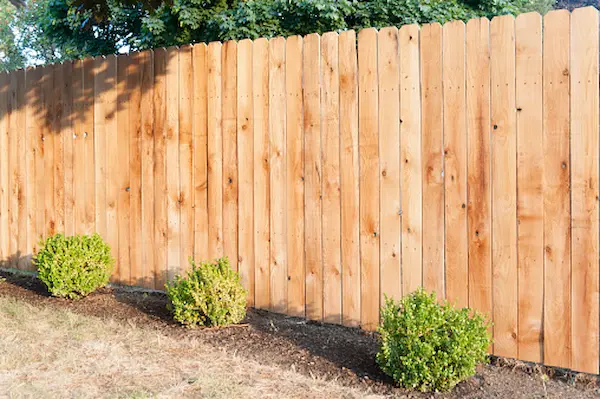
Natural Decay Resistance
Cedar wood has a significant advantage: it’s naturally resistant to decay. This resistance is due to the natural oils present in cedar wood. Termites and other pests attack cedar less readily, ensuring your fence remains safe.
You will notice cedar fences last longer than many other wood types because of these protective oils.
Minimal Ongoing Care
Cedar wood fence care is straightforward. Regular, intense treatment isn’t necessary. Every once in a while, you’ll clean it to get rid of dirt. Cedar wood’s natural properties mean your fence will require less attention over time.
Weathering And Patina
One beauty of cedar wood is its weathering quality. As it gets older, it adopts a silvery-gray patina. This natural aging adds a rustic charm. To retain the original reddish-brown shade, apply a UV-blocking sealant.
Stain Vs. Seal Application
When considering cedar protection, 2 options stand out: stain and seal. Stains provide color and can refresh your fence’s appearance. At the same time, they guard against UV rays.
Seals preserve cedar’s natural shade. They defend the wood from both moisture and UV damage. To enhance your fence’s life, apply a stain or seal regularly. You can also paint the cedar fence.
Upfront Cost Vs. Maintenance Benefits
Cedar wood often comes with a higher initial cost. However, its maintenance benefits can balance this out. Reduced upkeep and natural decay resistance mean you spend less long-term.
Fewer repairs and replacements are necessary, which offsets the initial expense.
Pressure Treated Pine Maintenance
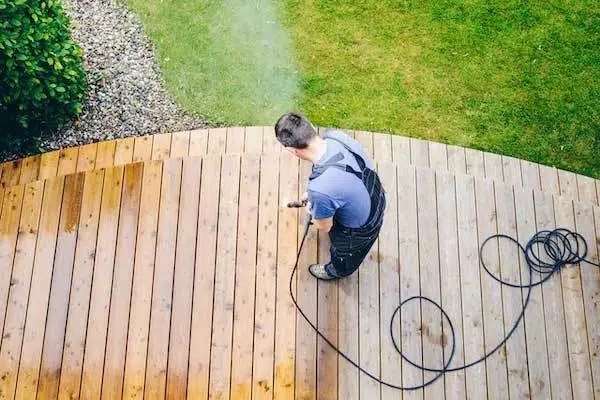
Preservative Treatment Insights
Pressure treated pine is wood that’s undergone a special process. Chemicals are infused into the wood to enhance its properties.
This method gives the pine resistance against pests and decay. Many people choose this wood for their fences because it’s sturdy and lasts long.
Durability And Rot Prevention
This type of pine stands strong for years. It’s because chemicals prevent rot and repel insects. You won’t have to worry about termites eating away at your fence.
Over the years, pressure-treated pine remains firm and doesn’t weaken easily. That’s why this type of pressure-treated wood is used for fence rails.
Maintenance Demands
While this wood is robust, it still needs care. Every year, you should check it for any damages. Look for any signs of wear or insect activity.
Cleaning and applying a protective sealant once in a while will help the fence stay in top shape.
Staining For Protection
Staining isn’t just about aesthetics. It also offers protection. A good stain shields the wood from harmful UV rays.
Sunlight can fade and weaken untreated wood over time. But with the right stain, pressure-treated pine keeps its strength and color.
Affordability Vs. Maintenance Needs

Choosing pressure-treated pine wood is budget-friendly. It’s often less expensive than other wood types. While it’s affordable, remember to factor in maintenance costs.
Regular checks, cleaning, and the occasional stain or sealant application are essential. But considering its long lifespan, many find the costs worth it.
Maintenance Tips For Both
Regular Cleaning And Inspection
Every fence needs care, no matter its type. Cleaning your fence at least once a year is a smart move. This removes dirt, mold, and mildew.
When cleaning, you should also inspect the fence. Look for signs of damage or wear. Catching problems makes fixing them easier and cheaper.
Handling Repairs And Replacements
Fences will face wear and tear over time. It’s important to handle repairs promptly. Damaged boards or posts weaken the fence’s structure. Replacing them restores the fence’s strength.
Timely repairs ensure the fence lasts longer. This saves money in the long run because you will only need a partial replacement soon.
Preventing Pests And Mildew
A good fence is free from pests and mildew. Regularly check for signs of termites or other insects. Treatment products will keep these pests away.
Mildew and mold can damage the wood. To prevent this, ensure good airflow around your fence. Keep plants and shrubs trimmed back.
Re-Sealing Or Staining Guidance
Protection is key for any wood fence. Stains and seals offer this shield. They prevent UV ray damage and repel water. Apply a new coat every few years to maintain this defense.
Remember, it’s not just about looks. A well-sealed fence will resist rot and last longer.
Seasonal Care Considerations
Different seasons bring different challenges. In winter, snow buildup can strain your fence. Clear it off to prevent damage.
During rainy seasons, ensure proper drainage. Standing water can rot the fence. UV protection is essential in hot seasons, as the sun can weaken and fade the wood.
FAQs
Is Cedar Or Pressure Treated Better For Fence?
Cedar offers natural beauty and decay resistance without chemicals. Pressure treated pine has chemicals making it pest and rot-resistant.
Both are suitable, but preference depends on aesthetic and environmental concerns.
Does Cedar Or Pressure Treated Pine Last Longer?
Pressure treated pine generally lasts longer because of its chemical treatments against rot and pests.
Cedar naturally resists decay but does not endure as long as treated pine without maintenance.
Is Treated Pine Better Than Cedar?
Treated pine is more durable and often less expensive. Cedar provides a natural, chemical-free option with a distinct appearance.
“Better” depends on individual preferences for aesthetics, longevity, and budget.
Fence Maintenance Cedar Vs Pressure Treated Pine: Conclusion
Choosing the suitable wood for your fence is a big decision, especially considering the long-term care it will need.
After diving deep into fence maintenance cedar vs pressure treated pine, each has its strengths.
Cedar offers natural charm and fewer chemicals, while pressure-treated pine stands strong for years thanks to its protective treatments.
Ultimately, the best choice hinges on your priorities: appearance, lifespan, or budget.
By understanding the maintenance of both, you can make a choice that will serve you well for years.


