
Your concrete driveway is not just a path to park your car or access your home; it’s an investment, a statement of style. While concrete is known for its durability, even the toughest materials require protection to maintain their longevity and aesthetics.
Sealing a concrete driveway acts as a protective shield against stains, weather damage, and daily wear. This simple step can drastically enhance the life and appearance of your driveway, ensuring it remains an asset and not a liability for years to come.
In the sections that follow, we will dive deeper into the pros and cons of sealing, providing you with all the necessary details.
KEY Takeaways
- Protection Benefits: Sealing a driveway protects against stains, weather damage, and UV rays, maintaining its aesthetic appeal.
- Maintenance Perspective: Sealed driveways require less frequent cleaning, saving time and effort in the long run.
- Longevity Concerns: Unsealed driveways can degrade faster, resulting in earlier repairs or replacement needs.
Should I Seal My New Concrete Driveway?
Yes, it’s highly recommended to seal a new concrete driveway. Sealing helps the concrete fully cure and prevents early damage. Apply a concrete sealer within 1-2 months of installation after it has had time to dry and harden. Choose a penetrating acrylic or urethane sealer suitable for driveways.
Sealing a new concrete driveway right after its initial curing period (typically 28 days) can also deter water penetration, which can cause freezing and thawing damage in colder climates. Furthermore, a good quality sealer can prevent oil or other automotive fluids from penetrating and staining the surface.
Cost To Seal Concrete Driveway

Sealing a concrete driveway typically costs between $0.25 and $2.50 per square foot, depending on various factors. The actual cost hinges on the size of the driveway, the type of sealer used, labor costs in your region, and any additional treatments that will be included.
For instance, a decorative finish or a premium-quality sealer could drive up the price. Additionally, the condition of the driveway plays a role. If it requires extensive cleaning or crack repairs before sealing, the overall cost will be higher.
Overall, investing in sealing your concrete driveway can save money in the long run by reducing the need for repairs and prolonging its lifespan.
What Are The Pros And Cons Of Sealing A Concrete Driveway?
In this section, we’ll dive deep into the pros and cons of sealing. We aim to offer clear insights to help you make an informed decision.
Pros:
- Enhanced Durability: Sealing increases a driveway’s lifespan. It prevents damage from water, UV rays, and chemicals. Over time, these elements erode the surface, but a sealed driveway withstands them better.
- Stain Protection: Driveways face oil spills, tire marks, and other stains. A sealed surface is less porous. So, it repels stains, making cleaning easier.
- Aesthetic Appeal: A sealed driveway looks polished and shiny. It adds to your property’s visual appeal and can boost its value.
Cons:
- Initial Cost: The process involves buying the sealant and possibly hiring professionals. This upfront cost is something homeowners need to consider.
- Regular Maintenance: Over time, the seal can wear off. This means you’ll have to reseal the driveway every few years, incurring additional costs.
- Slippery Surface: Some sealants make the driveway slippery, especially when wet. This can be a safety concern, especially in areas with frequent rain.
Frequently Asked Questions
Does Sealing a Concrete Driveway Make It Last Longer?
Sealing a concrete driveway can definitely contribute to making it last longer. It helps protect the surface from wear and tear caused by water and other elements, thus preserving its structural integrity. Sealing also prevents dirt, mold, mildew from settling into the concrete’s pores, reducing staining and discoloration.
How Often Should I Seal My Concrete Driveway?
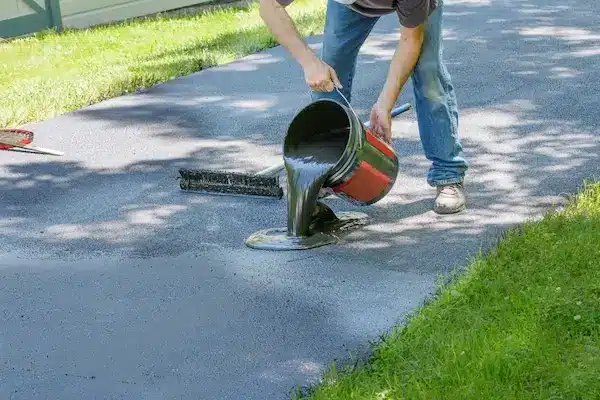
Generally, it’s recommended to seal a concrete driveway every two or three years to protect it from damage caused by weather, wear, and tear. If you live in a particularly harsh climate or have heavy foot traffic on your driveway, you may need to seal it more often.
Do You Really Need To Seal Concrete?
Yes, sealing concrete is an important part of protecting it from damage and extending its life. Sealing concrete helps to prevent water and other liquids from penetrating, which can cause surface staining, freeze-thaw damage, and even structural damage in extreme cases.
Conclusion
Deciding whether to seal your concrete driveway is an important choice for homeowners. Sealing offers added protection against stains, weather damage, and wear, giving your driveway a polished look and extended life. On the other hand, leaving it unsealed might save you some immediate costs but may require more maintenance in the long run. It’s essential to consider your home’s specific needs, climate, and your budget


