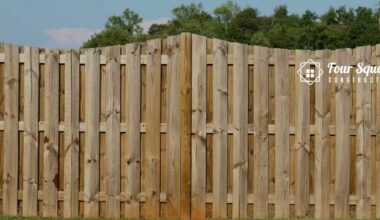
Staining a cedar fence boosts its appeal and adds a protective layer against the elements. With its rich tones, Cedar can shine even brighter with the right staining technique.
Staining a cedar fence involves preparing the wood, selecting the right stain, applying it evenly, and maintaining its look. Add a second coat if needed. Proper staining can extend the fence’s life, enhance its beauty, and safeguard it against weather.
In this guide, we will talk about how to stain a cedar fence, ensuring your cedar fence looks stunning and remains robust for years to come. Dive in to discover how to get the most out of your cedar fence.
Preparing The Fence
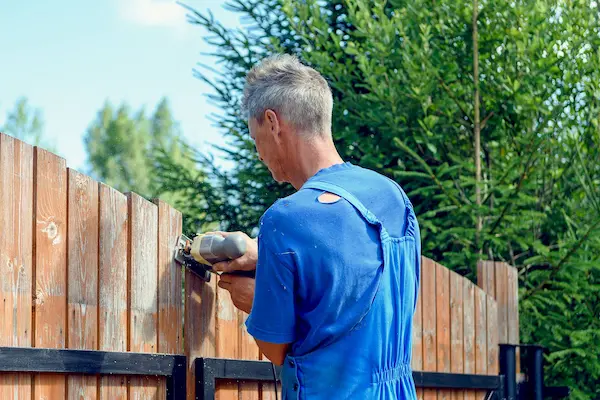
Before staining a cedar fence, it’s vital to get it ready. We will discuss cleaning the surface, sanding, protecting areas, and gathering what you need.
Clean The Surface
A clean fence will hold stains better. First, use water and a mild soap. Scrub the fence with a brush. Rinse with a hose. This will remove dirt and old stains.
Sanding And Smoothing
After cleaning, the fence needs smoothing. Sanding will make the wood even. This helps the stain go on smoothly. Use medium-grit sandpaper and sand in the direction of the wood grain.
Protect Surroundings
You don’t want stains everywhere. Protect plants and ground near the fence. Lay down plastic sheets or tarps. This will catch drips and prevent a mess.
Gather Materials
Before starting, make sure you have everything. You will need stain, brushes, and protective gear. Having all materials ready makes the job easier and faster.
Choosing The Right Stain
To make your fence look great, picking the right stain is key. We will discuss types of stains, their bases, choosing a color, and why quality is important.
Transparent Vs. Solid
Some stains show the wood, others cover it. Transparent stains let the wood’s beauty shine. Solid stains hide the wood but offer more color choices. Both have their benefits.
Oil Vs. Water-Based
Stains come in 2 main bases oil and water. Oil-based stains penetrate deep and last longer. Water-based stains dry fast and are easy to clean up. Your choice depends on your needs.
Color Selection
The right color will enhance your fence. Think about the look you want. Bright colors make a statement. Natural tones blend with the environment. Your home’s style can guide you.
Quality Matters
A good stain will protect your fence longer. It won’t chip or fade fast. Spending more on a high-quality stain saves you time and money in the long run.
Applying The Stain
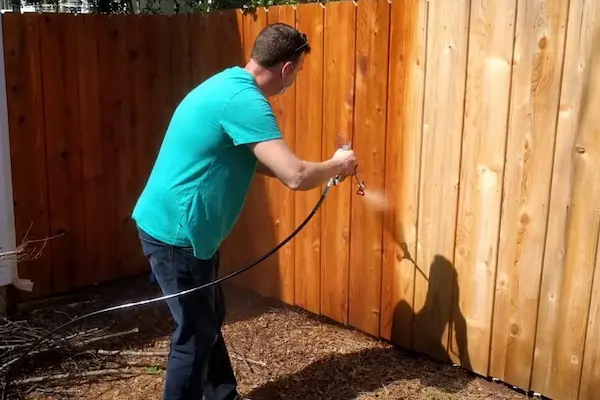
Putting stains on your fence is a careful task. We will learn how to start, use tools, ensure even coverage, prevent messes, and listen to expert advice.
Start At The Top
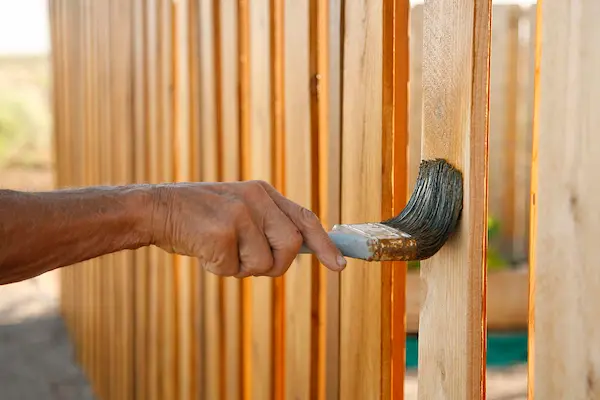
Starting at the top is smart. Gravity will pull the stain down. This way, you catch any drips as you move lower. It also ensures the top gets proper protection.
Use A Brush Or Sprayer
There are 2 main tools: a brush and a sprayer. Brushes give control to detailed work. Sprayers cover large areas quickly. Choose based on your fence’s size and design.
Consistent Coverage
Your fence should have an even color. Don’t leave any spots bare. Stain every part to protect it from the weather. Check your work from different angles to spot misses.
Avoid Drips And Puddles
Drips and puddles can ruin the look. They also waste stain. Wipe away excess stains with a rag. Move at a steady pace to prevent these mistakes from happening.
Follow Manufacturer’s Advice
Every stain is unique. The maker knows best about its use. Always read and follow the label. This ensures the stain works well and your fence stays beautiful.
Caring For Stained Cedar
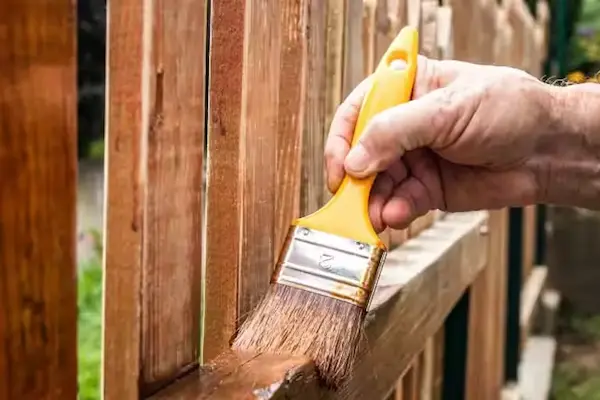
After staining your cedar fence, care is crucial. We will dive into maintaining its beauty and ensuring it lasts for years, looking as good as new.
Regular Cleaning
Dirt and dust can dull the shine of your fence. A simple wash with water and mild soap will help. Doing this a few times a year keeps the fence bright.
Inspect For Wear And Tear
Weather can affect the stain over time. Every season, look for fading or chipping areas. These spots will need a touch-up. Proper attention means longer-lasting beauty.
Protection From Harsh Elements
During heavy rain or snow, a cover or shield helps. It prevents too much moisture from damaging the wood. In strong sunlight, shade can reduce the fading effect.
Re-Stain When Needed
Even with care, stains wear out. Every few years, think about re-staining. This keeps your fence looking fresh. It also adds an extra layer of protection.
Mind The Surroundings
Plants or sprinklers near the fence can cause issues. Trim plants so they don’t touch the fence. Make sure sprinklers don’t directly hit the fence, as constant wetness can harm the stain.
Clean-Up And Safety
After staining, clean-up and safety are key. We’ll explore how to tidy up and stay safe. Proper steps ensure a smooth finish and protect you and the environment.
Tidy The Workspace
Clear away all tools and materials. Wet rags with stains are a fire risk. Lay them flat outside until dry. Then, dispose of them safely. Keeping a clean area avoids accidents.
Storing Leftover Stain
Store any leftover stain in its original container. Seal it tightly. A cool, dry place is best. Keep it away from kids and pets. This prevents spills and dangers.
Ventilate The Area
Stain fumes are strong. They’re not good to breathe in for long. Open windows and doors if you work indoors. Outdoor projects need time before spending long hours near them.
Wearing Protective Gear
Always wear gloves and safety glasses when staining. It keeps the stain off your skin and out of your eyes. When you feel dizzy or sick, get fresh air immediately.
Dispose Of Waste Properly
Empty cans and used brushes need special disposal. Local waste facilities will have rules. Don’t pour leftover stains down drains. It’s bad for the environment and can cause blockages.
FAQs
What Kind Of Stain Should I Use On A Cedar Fence?
A semi-transparent oil-based stain is best for cedar fences outside. Look for a stain made just for cedar that protects from sun and water damage. Stains that say “cedar-tone” will add pretty color while allowing the wood’s texture to show.
How Do You Prep A Cedar Fence For Staining?
To prep a cedar fence for staining, clean it with a power washer to remove built-up dirt, mildew, and old stains. Let the wood dry out thoroughly before staining for 2-3 days. Use sandpaper to smooth any rough spots.
Wipe away wood dust.
Should You Stain Or Seal A Cedar Fence?
Staining is better for cedar fences than sealing. Stain protects the wood from sun and rain while adding color. Sealer blocks moisture and UV rays.
For the best protection, apply the stain first, then use a sealer made for cedar fences on top of the stain.
How To Stain A Cedar Fence: Conclusion
Staining your cedar fence is more than just a cosmetic upgrade; it’s about giving your fence a longer, healthier life while highlighting its natural beauty.
By taking the right steps, from choosing the perfect stain to ensuring an even application, you ensure that your fence stands strong against the elements and remains appealing for years.
Remember, a well-maintained cedar fence elevates the look of your home and adds value to your property.