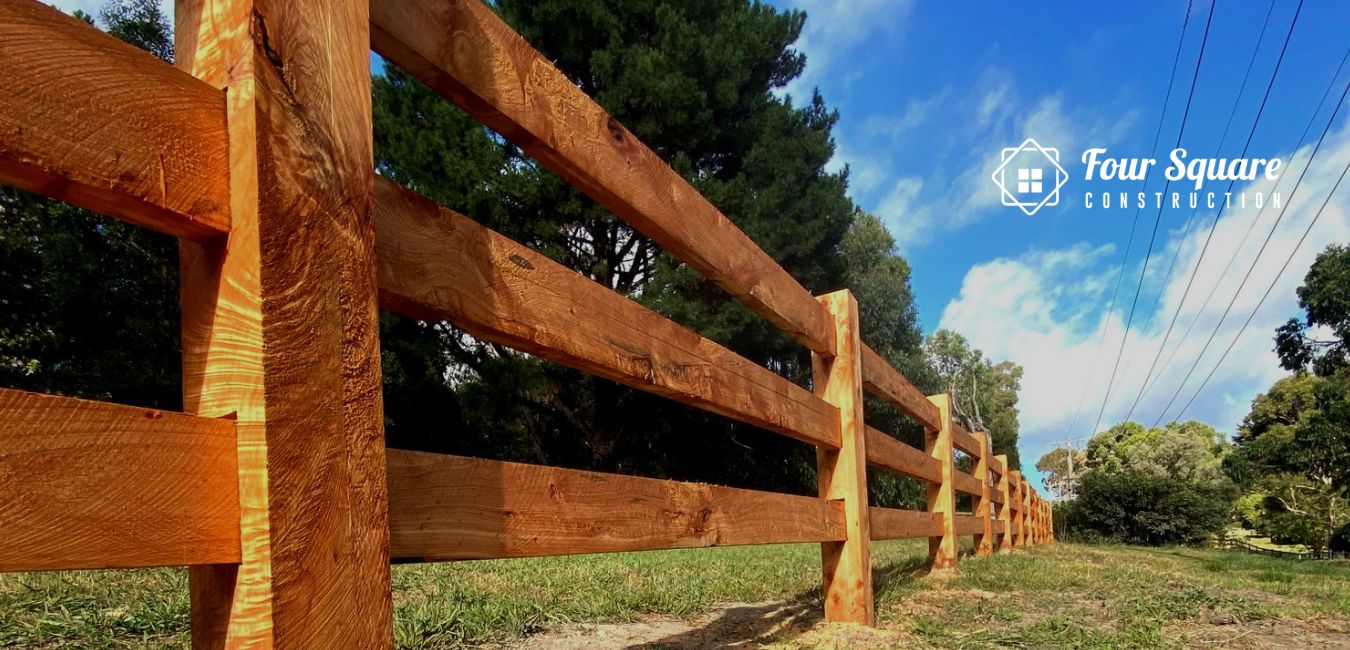
When you think about creating a warm, welcoming boundary around your home, a wood-split rail fence often comes to mind. These fences not only add a touch of rustic charm but also have a rich history and practicality that make them a timeless choice.
A wood split rail fence is more than just a decorative element; it’s a practical and cost-effective solution for marking boundaries and adding character to your property. Easy to install and maintain, these fences offer a unique blend of functionality and aesthetic appeal.
In the following sections, we will delve deeper into the world of wood-split rail fences.
KEY Takeaways
- Types and Styles: Wood split rail fences come in various styles and types, each offering a unique aesthetic and functional appeal.
- Installation Process: Installing these fences is straightforward but requires careful planning and understanding of the terrain.
- Maintenance Tips: Regular maintenance, such as cleaning, staining, and checking for damage, ensures the longevity of your wood split rail.
Benefits Of Wood Split Rail Fences
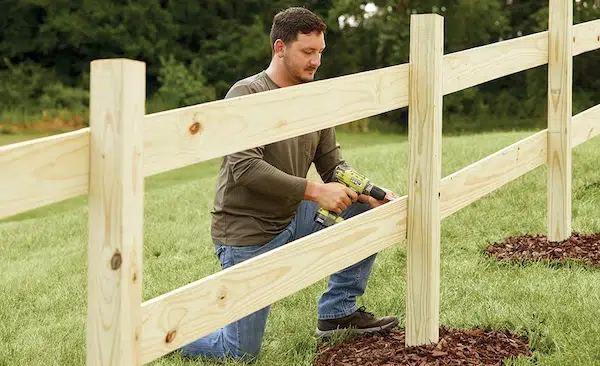
Wood split rail fences offer several advantages that make them a popular choice for property owners. Let’s explore three key benefits:
Rustic And Natural Aesthetic Appeal
One of the standout features of wood split rail fences is their timeless charm and natural beauty. The rugged appearance and organic texture of the split logs provide a rustic and inviting feel, adding character and enhancing the overall visual appeal of any landscape.
Cost-Effectiveness Compared To Other Options
Wood split rail fences are often more affordable compared to other fencing options, such as solid wood or metal fences. The simplicity of their construction, using split logs and minimal hardware, reduces material and labor costs, making them a cost-effective choice for property owners with larger areas to fence.
Easy Installation And Maintenance
Installing a wood split rail fence is relatively straightforward, requiring minimal tools and expertise. The fence posts can be driven into the ground, and the split rails are easily inserted into place, making it a suitable DIY project for many homeowners.
Additionally, maintenance is generally simple, involving occasional inspections for loose rails or posts and applying protective finishes to prolong the fence’s lifespan.
Suitable Applications For Wood Split Rail Fences
Wood split rail fences are well-suited for various applications, adding a touch of charm and functionality to different settings. Here are three common applications where wood split rail fences shine:
Residential Properties With Large Yards Or Rural Settings
Wood split rail fences beautifully complement residential properties, particularly those with expansive yards or located in rural areas. They create a warm and welcoming boundary while blending harmoniously with the natural surroundings.
Whether it’s a country cottage or a suburban home seeking a rustic appeal, a wood split rail fence can enhance the overall aesthetics of the property.
Farms, Ranches, And Countryside Areas
In agricultural settings, wood split rail fences are a popular choice due to their practicality and traditional appearance. They serve as functional enclosures, defining boundaries for livestock, marking grazing areas, or delineating farm sections.
The open design allows for better visibility and airflow, making it easier to oversee and manage animals and agricultural activities.
Parks, Recreational Areas, And Nature Reserves
The rail fences are often used in public spaces, such as parks, recreational areas, and nature reserves. They contribute to the preservation of the natural ambiance, seamlessly blending with the surroundings. These fences help guide visitors along trails, mark protected areas, and provide a picturesque backdrop for leisure activities and outdoor exploration.
Design Considerations
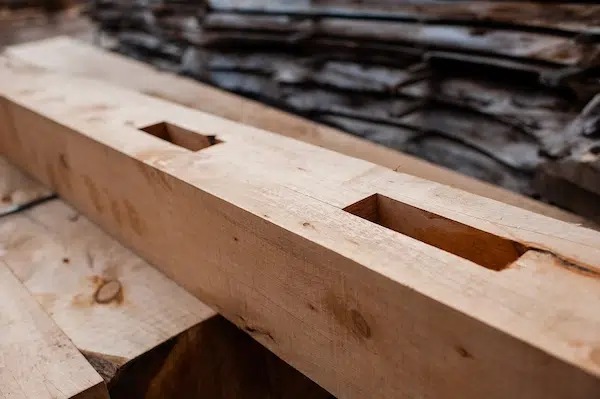
Designing a rail fence involves making important decisions to ensure durability, aesthetics, and functionality. The following are three design considerations to keep in mind:
Selecting The Right Wood Type For Durability And Aesthetics
Choosing the appropriate wood type is crucial for the longevity and visual appeal of your split rail fence.
Hardwoods like cedar and oak are popular choices due to their natural resistance to rot, insects, and weathering. Consider factors such as the wood’s durability, availability, and desired color and grain patterns to achieve both functional and aesthetic goals.
Choosing The Number Of Rails And Post Spacing
The number of rails and the spacing between the posts greatly influence the fence’s stability and overall appearance.
Most split rail fences feature two to four rails, depending on the desired height and style. Consider the purpose of the fence and the types of animals or activities it will contain to determine the appropriate number of rails. Additionally, ensure proper spacing between posts to maintain the fence’s structural integrity.
Deciding On The Height And Length Of Fence Sections
The height and length of fence sections contribute to the overall functionality and visual impact of the split rail fence.
Consider the purpose of the fence, whether it’s for aesthetic or containment purposes, and any local regulations or restrictions that may dictate maximum fence heights. Determine the appropriate length of fence sections based on the landscape and the desired layout.
Installation Techniques
Installing a wood split rail fence requires proper techniques to ensure stability, longevity, and a visually pleasing result. Check out three key installation techniques to consider:
Ground Preparation And Fence Line Marking
Begin by preparing the ground along the intended fence line. Clear any vegetation, rocks, or debris that may obstruct the installation process.
Use stakes and string to mark the fence line, ensuring it is straight and properly aligned. This step provides a clear guide for post placement and ensures a straight and visually appealing fence.
Corner And End Post Installation For Stability
The corner and end posts are crucial for providing stability to the split rail fence. These posts need to be securely anchored into the ground. Dig holes that are deep enough to accommodate at least one-third of the post’s length, ensuring proper stability. Use concrete or gravel as a base for the posts, backfilling and compacting the soil tightly around them to prevent shifting or leaning over time.
Placing Rails And Securing Them To Posts
Once the corner and end posts are set, it’s time to place the rails. Insert the split rails into the designated slots or notches on the posts. Depending on the design and desired spacing, you may stack the rails in a zigzag pattern or a straight line.
Ensure that the rails fit snugly and securely into the posts. Some techniques involve pre-drilling holes and using screws or nails to fasten the rails to the posts for added stability.
Throughout the installation process, it’s important to check for levelness, making sure that the posts are straight and the rails align properly. Regularly inspect the fence during installation to ensure everything is secure and aligned as desired.
You can also check out a guide on wood farm fences. Just click the inserted link.
Maintenance And Upkeep
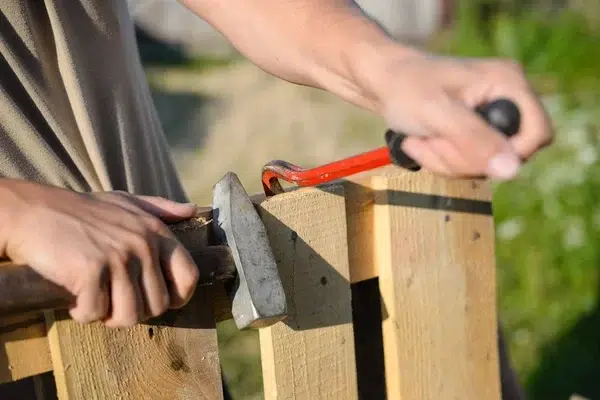
Proper maintenance is essential to preserve the beauty and longevity of a wood-split rail fence. Here are five key maintenance tasks to consider:
Regular Inspections For Rot Or Damage
Conduct periodic inspections of your wood split rail fence to check for any signs of rot, insect infestation, or damage. Pay close attention to areas where the wood meets the ground or comes into contact with moisture, as these are more susceptible to decay. Replace any rails, posts, or sections that show significant signs of rot or damage to maintain the fence’s structural integrity.
Wood Treatment For Weather Protection
Apply a suitable wood treatment or finish to your split rail fence to protect it from the effects of weathering.
This includes applying a water-resistant sealant, stain, or paint that helps prevent moisture absorption, UV damage, and discoloration. Follow the manufacturer’s instructions for the specific treatment product you choose, and reapply it as recommended to maintain its effectiveness.
Prompt Repair Or Replacement Of Damaged Sections
If you notice any loose rails, sagging posts, or other forms of damage, address them promptly. Repair or replace damaged sections to maintain the fence’s stability and appearance.
Secure loose rails or posts with appropriate fasteners and replace any severely damaged or deteriorated components. Regular maintenance and prompt repairs will help extend the lifespan of your wood split rail fence.
Clear Vegetation And Debris
Keep the area around the fence clear of vegetation, bushes, and debris. Plants growing too close to the fence can trap moisture, leading to faster wood decay. Regularly trim back vegetation and remove any debris that accumulates along the fence line.
Seasonal Adjustments
Wood naturally expands and contracts with changes in temperature and humidity. Periodically check the fence after extreme weather conditions or seasonal changes and make any necessary adjustments to maintain proper alignment and stability.
Customization And Decorative Elements
Customizing a wood split rail fence allows you to personalize its appearance and enhance its overall aesthetic appeal. Check out the four options for customization and decorative elements:
Adding Gates And Entrances For Accessibility
Consider incorporating gates and entrances within your split rail fence to provide convenient access to your property or specific areas. Gates can be designed to match the style of the fence, allowing both pedestrian and vehicle entry. They not only provide functionality but also contribute to the overall visual appeal of the fence.
Incorporating Decorative Post Caps Or Finials
Enhance the look of your split rail fence by adding decorative post caps or finials. These ornamental elements can be crafted from various materials, such as metal or wood, and come in a wide range of designs and styles. Post caps or finials add a touch of elegance and can complement the overall aesthetic of your fence.
Integrating Landscaping Or Planting Options Along Fence Line
Take advantage of the fence line by integrating landscaping or planting options to enhance the natural beauty of your split rail fence.
Consider planting flowering vines, shrubs, or ornamental grasses near the fence to create a soft and inviting border. This not only adds color and texture but also helps blend the fence with the surrounding landscape.
Paint Or Stain For Color Customization
Customize the appearance of your wood split rail fence by applying paint or stain. This allows you to choose a color that complements your property or personal preferences. Consider natural tones to maintain the rustic charm, or go for bold colors to create a striking visual contrast.
When customizing your wood split rail fence, it’s important to consider the overall design cohesiveness and ensure that any additions or modifications align with the style and purpose of the fence.
Local Regulations And Permits
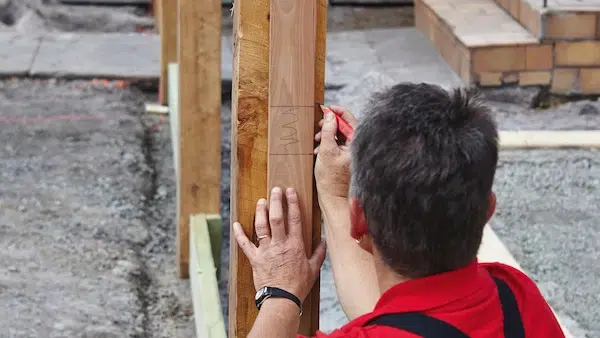
Before installing a wood split rail fence, it is essential to understand and comply with local regulations. Consider the three things regarding local regulations and permits:
Checking Regulations For Fence Height And Setbacks
Different jurisdictions may have specific regulations regarding fence height and setbacks from property lines or structures. Research the local zoning ordinances or consult with the relevant authorities to understand the allowable fence height and any required setbacks. Adhering to these regulations ensures that your fence is in compliance with local laws.
Obtaining Necessary Permits Or Permissions
Some areas require permits or permissions for fence installations. Check with your local building department or permit office to determine if a permit is required.
The application process may involve submitting detailed plans, specifications, and payment of fees. Obtaining the necessary permits ensures that your fence installation is legal and meets safety standards.
Compliance With Homeowner Association Guidelines
If you reside in a community governed by a homeowner association (HOA), review their guidelines and covenants pertaining to fence installations. HOAs often have specific requirements regarding fence materials, styles, colors, and heights. It is important to comply with these guidelines to avoid potential disputes or violations.
FAQs
1. What Type Of Wood Is Used For Split Rail Fencing?
Traditionally, split rail fences were made from durable hardwoods like oak, cedar, or locust. These woods are naturally rot-resistant and can stand up to outdoor weathering. Split rail fencing is rustic and informal looking. The rails are made by splitting logs into fence posts and rails.
2. What Is A Split Rail Fence?
A split rail fence is a type of fence constructed by splitting logs or timbers lengthwise into rails and then attaching them horizontally between upright posts. The rails are typically stacked in a zigzag or “zigzag” pattern, creating an open and rustic-looking fence.
3. How Long Does A Wood Split Rail Fence Last?
The lifespan of a wood split rail fence can vary depending on several factors, including the type of wood used, climate conditions, maintenance practices, and exposure to elements. On average, a well-maintained wood split rail fence can last anywhere from 10 to 30 years.
Wood Split Rail Fence: Conclusion
The wood split rail fence offers a timeless and rustic fencing solution that brings a touch of natural beauty to any property. Its simplicity, durability, and aesthetic appeal make it a popular choice for residential, agricultural, and recreational applications.
With careful design considerations, proper installation techniques, and regular maintenance, a wood split rail fence can provide both functional boundaries and a charming addition to the landscape.


