
Concrete roofs absorb a lot of heat during sunny days, which can make buildings very hot. In this article, we’ll learn how to reduce heat on concrete roofs.
To reduce heat on a concrete roof, consider applying reflective paint to deflect sunlight. Adding insulation, such as foam boards, beneath the surface also helps keep interiors cool. Alternatively, installing green roofing with plants or setting up shade structures can lower the roof’s temperature.
This article explains several methods for reducing that heat, each discussed in detail. Read this extensive article to learn more.
Key Takeaways
- Apply Reflective Paint: Apply a coating that bounces back sunlight. This is to cool the roof and inside the building.
- Install Insulation: This puts a layer under the roof that stops heat from getting inside. It keeps it cooler.
- Set Up Shade Structures: Put a layer under the roof that stops heat from getting inside, keeping it cooler.
Reflective Paints And Coatings
Reflective paints and coatings can reduce heat on concrete roofs. The steps include choosing the types of reflective materials and application processes. They also include effectiveness and durability. Let’s better understand them.
Types Of Reflective Materials
Reflective paints and coatings help keep roofs cool. This is by reflecting the sun’s rays away instead of absorbing them. These special paints include elastomeric coatings. These are rubbery and can stretch with the roof’s movements.
Some are made from materials like polyurethane or acrylic. They contain shiny pigments that bounce sunlight back into the sky. Reflective roof coatings can lower roof surface temperatures, significantly reducing indoor cooling needs.
Application Process
Before applying reflective coatings, clean the roof and fix any cracks. This is to make sure the coating sticks well. The coating can be rolled on or sprayed, covering the roof evenly. It’s best to have a professional do this job to ensure it’s done right.
A proper application can help the coating last longer and work better. This method can reduce indoor temperatures up to 10 degrees Fahrenheit, leading to lower air conditioning costs.
Effectiveness And Durability
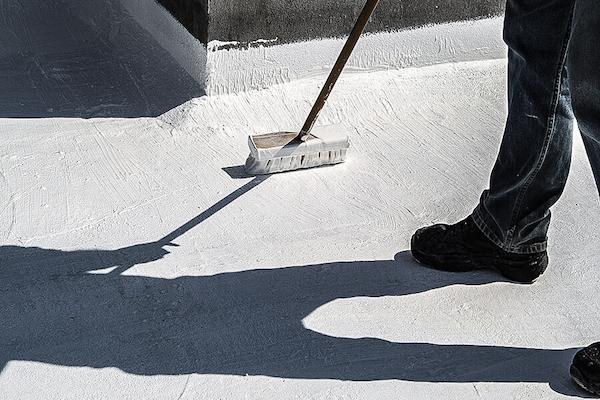
Reflective roof coatings can cool roof surfaces up to 50 degrees Fahrenheit, helping keep the building underneath much cooler. These coatings generally last around 10 years. It depends on the weather and how well they were applied.
Reapplying the coating after it wears out ensures continued effectiveness. This cooling effect can significantly reduce the need for air conditioning. It leads to lower energy costs and more comfortable indoor temperatures.
Roof Insulation Techniques
Let’s move on to roof insulation techniques now. These include insulation materials and installation methods. They also include costs and benefits. Let’s learn more about them.
Insulation Materials
Foam boards, reflective insulation, and fiberglass batts are common materials used to insulate roofs. These materials act like a barrier to stop heat from getting inside a building, keeping it cooler.
Foam boards are thick and sturdy. Reflective insulation bounces back sunlight. Again, fiberglass batts trap air to reduce heat passage. Adequately installed roof insulation can lower a building’s cooling costs by up to 15%. It makes it more energy-efficient and comfortable inside.
Installation Methods

Insulation on roofs can be installed in two ways. For new buildings, it goes directly on the concrete. This is before any roofing materials are added. In older buildings, insulation can be placed above the concrete. This is under a new layer of roof material.
This method helps keep buildings cooler by preventing heat from entering the roof. Adding insulation can cut air conditioning needs up to 15%, making it more affordable to keep the building cool and comfortable.
Cost And Benefits
Adding insulation to a roof can be expensive at first. Still, it saves money in the long run by lowering the cost of cooling a building. Proper insulation stops too much heat from entering. This means air conditioners don’t have to work as hard. This can reduce energy bills by up to 15%.
Also, insulation makes the inside of a building more comfortable. This is by keeping it cooler during hot weather, which is good for everyone inside.
Green Roofing Solutions
In this section, we’ll discuss green roofing solutions. These include plant-based roof covering and installation and maintenance. They also include environmental and thermal advantages. Let’s learn about them in detail.
Plant-Based Roof Covering
A green roof is covered with plants that cool the building. This is by releasing moisture into the air, a process called evapotranspiration. Plants like sedums, which are tough and don’t need much water or care, are ideal for this.
Green roofs lower the roof temperature by 30-40 degrees Fahrenheit. They also reduce indoor temperatures. This can cut air conditioning costs by about 25%. This makes buildings more energy-efficient and helps the environment.
Installation And Maintenance
To install a green roof, you first lay down a waterproof membrane. This is to stop leaks and a root barrier to prevent roots from damaging the roof. Then, you add soil and plant suitable plants.
To keep a green roof healthy, it needs regular watering, weeding, and checking. This is to make sure the drainage system isn’t blocked. This type of roof can lower roof temperatures by 30-40 degrees Fahrenheit.
It can also cut air conditioning costs by about 25%, making it a great eco-friendly choice.
Environmental And Thermal Advantages
Green roofs help keep buildings more relaxed. This is by absorbing less heat and improving air quality as plants filter pollutants. They also manage stormwater by absorbing rain, which reduces runoff and prevents flooding. Also, these roofs provide a home for birds and insects, supporting local wildlife.

By using green roofs, buildings can significantly reduce indoor temperatures. It lowers air conditioning use by up to 25% and contributes to a healthier environment.
Shade Structures And Overlays
In this section, we’ll explain shade structures and overlays. These include designing for shade, materials, and construction. It also includes integration with existing structures. Let’s understand them well.
Designing For Shade
Shade structures like pergolas or awnings are built to provide shade over roofs. This is especially true during the hottest parts of the day. These can be simple, like fabric covers, or more complex, made from wood or metal. By casting shade, they help keep the roof and building cooler.
Using these structures can lower the temperature on your roof. It reduces the need for air conditioning and saves energy. This makes your home cooler and helps save on energy bills.
Materials And Construction
Shade structures are made from materials like wood, metal, or durable fabrics. These materials are chosen because they can handle the area’s weather. This is while providing good shade. Wood and metal are strong and last a long time and fabrics are chosen for their ability to block sunlight.
By using these materials, shade structures can reduce the temperature beneath them. It makes them very effective for cooling and energy savings.
Integration With Existing Structures
Shade structures, like awnings or pergolas, must be designed to match the look of the building. They must also not block important features like windows or air vents. This means they must match the building’s style and color.
They must also be placed so they don’t cover windows or vents that must be open for air. Properly designed shade structures can lower the area’s temperature and helps to keep the building cooler and reduce air conditioning costs.
Ventilation Improvements
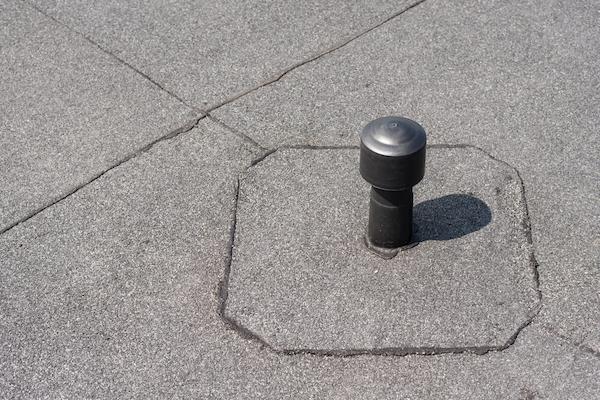
This section will cover ventilation improvements. This includes natural ventilation strategies, mechanical ventilation options, and optimizing airflow. Let’s learn more about them.
Natural Ventilation Strategies
Using roof vents or turbine vents is a smart way to improve airflow under the roof. Using roof vents or turbine vents is a smart way to improve airflow under the roof. These vents help pull hot air out and bring cooler air in. It naturally lowers the temperature inside the building and does a good job at it.
This process is especially effective in sunny weather. It helps to keep indoor spaces comfortable without using extra energy. These vents enhance natural air circulation. Thus, they can reduce indoor temperatures by several degrees. It makes them an efficient choice for cooling homes.
Mechanical Ventilation Options
Mechanical options work by actively pulling hot air out of the building. For example, like powered attic ventilators. These devices are installed in the attic and use electricity. This is to run fans that suck out the hot air, which helps lower the temperature inside.
This method can cool down your home. This is by relaxing the attic and subsequent living spaces. Using these ventilators can help reduce the indoor temperature, reducing cooling costs.
Optimizing Air Flow
Combining natural and mechanical ventilation techniques effectively keeps roofs and the spaces below them cooler. Natural ventilation uses roof or turbine vents to naturally escape hot air, while mechanical ventilation involves powered attic ventilators that actively remove hot air.
This continuous airflow helps maintain a lower temperature inside, which can reduce the need for air conditioning. Together, these methods can lower indoor temperatures, making your home more comfortable and energy-efficient.
Technological Innovations
Before ending our discussion, let’s learn about some technological innovations. These include smart roofing technology and energy-efficient roof appliances. They also include future trends in roof cooling. Keep reading to grasp all the details.
Smart Roofing Technology
Smart reflective roofs are advanced roofs that change their reflectiveness based on the weather. When it’s very sunny and hot, they become more reflective to bounce back more sunlight, reducing the heat the building absorbs.
This smart technology helps keep the building cooler naturally, reducing the need for air conditioning. By adjusting to weather conditions, smart roofs can lower indoor temperatures making them both efficient and cost-effective.
Energy-Efficient Roof Appliances
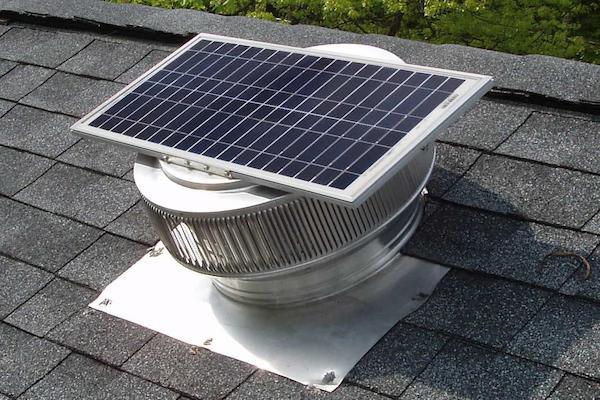
Solar-powered roof fans and energy-efficient HVAC systems are great tools for reducing the energy used to cool buildings. Solar fans use the sun’s energy to operate, pulling hot air out of attics and reducing heat.
Energy-efficient HVAC systems are designed to use less electricity while keeping temperatures comfortable. Together, these systems can cut energy use by up to 20%, helping to keep buildings cooler without relying heavily on costly traditional air conditioning.
Future Trends In Roof Cooling
Future roofing trends involve using solar panels integrated into the roofing materials themselves. These special roofs will do two important jobs: they will reflect heat to help keep the building cool and generate electricity from sunlight.
This means buildings can stay cooler while using the energy from the sun to power lights, appliances, and more. This technology can significantly reduce a building’s energy costs by up to 50%, making it eco-friendly and cost-effective.
FAQs
Does Improving Ventilation Really Help In Reducing Concrete Roof Heat?
Yes. Improving ventilation really helps reduce heat on a concrete roof. By enhancing airflow with vents, hot air escapes, and cooler air enters. This significantly lowers roof temperature. This method is effective and simple to implement. It also helps maintain a cooler building interior.
How Effective Are Reflective Paints In Cooling Concrete Roofs?
Reflective paints are very effective in cooling concrete roofs. They work by reflecting sunlight away from the roof, significantly reducing its temperature. This can lower roof surface temperatures by up to 50 degrees Fahrenheit, making the building cooler and reducing the need for air conditioning.
What Type Of Insulation Is Best For A Concrete Roof?
Foam board insulation is often the best choice for a concrete roof. It provides excellent heat resistance and reduces heat transfer into the building. Foam boards are lightweight, easy to install, and effective in keeping indoor spaces cooler. All these things make them ideal for concrete roofing.
How To Reduce Heat On Concrete Roof: Conclusion
Concrete roofs get very hot during summer, especially when exposed to direct sunlight. This heat makes the rooms below the roof feel uncomfortably warm and increases the energy needed to cool them with air conditioning. Luckily, there are several effective ways to keep concrete roofs cooler.
One way is to apply a reflective coating to the roof. These special paints or coatings reflect the sun’s rays away from the roof, preventing it from absorbing as much heat.
Another option is to install proper insulation in the attic or roof space. Insulation is a barrier, trapping the heat outside and keeping the cooler air inside.
Green roofing is another interesting method. It covers the roof with plants and vegetation, which help shade it and absorb heat through evapotranspiration.
Shade structures, such as awnings or canopies, can also be installed over the roof to block direct sunlight. Improved ventilation systems can help to circulate air and remove hot air from the attic or roof space.
Finally, new technologies are being developed, such as cool roof systems that use special materials or coatings to reflect heat and keep the roof cooler.
By using one or more of these methods, buildings can stay cooler and more comfortable during hot weather while saving money on energy costs for air conditioning.


