Installing a metal roof over plywood can be a smart choice for your home. It offers durability and can greatly enhance weather protection. But how to install metal roofing over plywood?
Start by laying a waterproof underlayment over the plywood to protect against moisture. Secure the metal panels using screws, ensuring proper alignment. Overlap the edges for weatherproofing, and finish by sealing joints with metal flashing for a durable, weather-resistant installation.
Ready to learn more? Keep reading the rest of the content to discover each step in detail and get helpful tips for installing metal roofing on your plywood deck.
KEY Takeaways
- Proper Preparation: Ensure plywood decking is clean and free from damage before starting the metal roof installation.
- Correct Layering: Install a high-quality underlayment to protect against moisture and improve longevity.
- Secure Attachment: Use appropriate fasteners and techniques to attach metal panels to the plywood securely, ensuring a durable roof.
Materials And Tools Needed
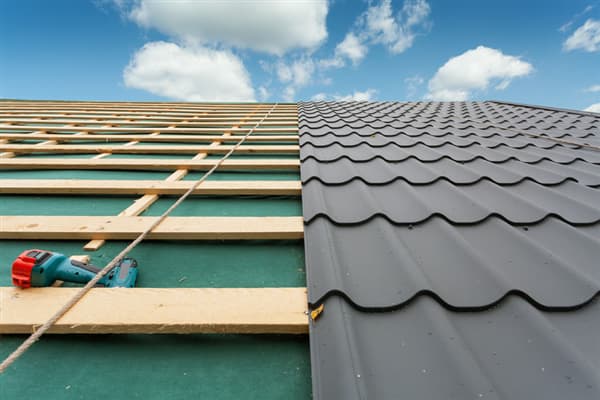
Metal roofing over plywood needs specific materials and tools to be installed. They ensure a secure, long-lasting roof. Having the right equipment on hand helps make the process smoother and safer. Here’s what you need.
Metal Roofing Panels
Metal roofing panels are the primary material for the roof. These panels come in various types, including corrugated and standing seam. When selecting panels, consider durability, weather resistance, and aesthetics.
Metal roofing is strong and can withstand harsh conditions, making it a popular choice for homes and businesses. Ensure the panels are cut to the correct size before installation to minimize adjustments during the process.
Plywood Sheets And Underlayment
Plywood provides the foundation for the metal roofing. It must be strong and free from damage to support the roof’s weight, such as warping or cracking. The underlayment goes between the metal roof and the plywood.
It protects against water and condensation. Common underlayment types include felt and synthetic materials. They create a moisture barrier and extend the roof’s lifespan.
Fasteners And Screws
Proper fasteners and screws are essential for securely attaching the metal roofing to the plywood. Roofing screws typically have rubber washers to create a watertight seal and prevent leaks.
Use corrosion-resistant screws to avoid rust over time, especially in areas prone to moisture. Place screws along the high ridges of the metal panels. This will ensure stability and prevent the roof from shifting.
Measuring Tape And Drill
Accurate measurements are key to a successful roofing installation. A measuring tape helps you measure the plywood and metal panels to ensure they fit properly. Measure twice to avoid mistakes that could result in gaps or misaligned panels.
A drill is used to drive screws into the metal and plywood. A power drill with the right-size bit works best. It speeds up the job and secures the screws.
Safety Gear And Ladder
Safety is a top priority when working on a roof. Essential safety gear includes gloves, goggles, and non-slip shoes to protect your hands, eyes, and feet. A strong, stable ladder is needed to access the roof safely.
Always position the ladder on solid ground and have someone steady it. Consider using a safety harness for extra protection, especially when working on steep or high roofs.
Preparing The Plywood Surface

Properly preparing the plywood surface before installing metal roofing is essential. This ensures that the roof will be secure, weatherproof, and long-lasting. Follow these steps to prepare the plywood for the metal panels.
Inspect Plywood For Damage
Start by thoroughly inspecting the plywood for any signs of damage. Look for cracks, splits, or areas where the plywood may rot. Damaged plywood can weaken the roof’s structure and cause problems later.
When you find any issues, replace the damaged sections with new plywood. This step prevents leaks and structural problems. It ensures a strong base for the metal roofing.
Ensure Proper Plywood Thickness
The thickness of the plywood is crucial for providing adequate support to the metal roofing panels. Plywood that is too thin may sag or warp under the weight of the metal roof.
A minimum thickness of 1/2 inch is recommended. However, thicker plywood should be used for larger roofs or areas with heavy snow or strong winds. To ensure structural integrity, verify that the plywood meets local building codes.
Apply Roofing Underlayment
The roofing underlayment is a critical barrier that protects the plywood from moisture. Applying the underlayment after inspecting and confirming the plywood is in good condition. Roll it across the plywood surface, starting at the bottom and working up to the roof ridge.
Make sure to overlap each row by at least a few inches to prevent water from seeping through. The underlayment will act as a secondary defense, keeping moisture away from the plywood and preventing issues like mold or rot.
Install Drip Edges
Drip edges are metal strips on the roof’s edges. They direct water away from the plywood and into the gutters. These are installed before the metal panels to prevent water from seeping underneath the roofing materials.
Position the drip edge along the roof’s perimeter and secure it with nails or screws. This step protects the plywood edges from water damage. It extends the life of the plywood and the metal roof.
Mark Areas For Roof Panels
After installing the underlayment and drip edges, mark where to place the metal roof panels. Use a measuring tape and chalk line to ensure accurate spacing and alignment of the panels.
Proper markings will help guide you when installing the metal panels and reduce the chance of mistakes. Accurate panel placement ensures the roof is structurally sound and looks uniform from all angles.
Step-By-Step Metal Roof Installation
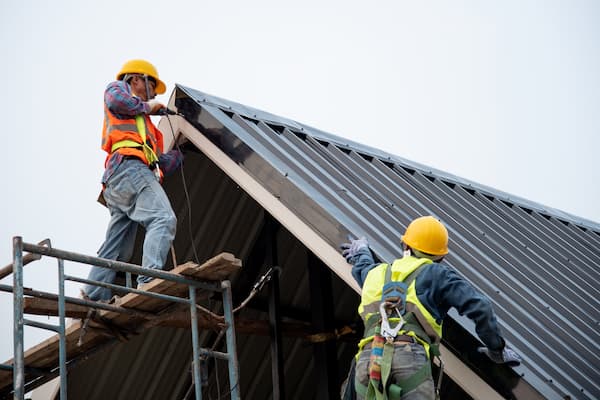
Installing metal roofing over plywood requires precision to ensure a durable, weatherproof roof. Each step matters, and starting with the proper alignment of the first panel is key to the success of the entire installation process.
Step 1: Align The First Panel
The first panel guides the rest of the installation. Proper alignment at the beginning ensures the roof is even and secure throughout.
Position Metal Panel At Roof Edge
Start by placing the first metal panel at the roof’s lower edge. This creates a straight base for the rest of the panels.
Ensure Proper Overhang
Leave a slight overhang, usually about an inch, to allow rainwater to run off the roof easily. This helps prevent leaks and protects the plywood underneath.
Secure With Roofing Screws
Fasten the panel with roofing screws, placing them through the raised sections of the panel. Evenly space the screws to ensure the panel stays secure and aligned.
Step 2: Install Additional Panels
Once the first panel is in place, the next step is to add the rest of the metal panels, ensuring they are properly aligned and secured.
Overlap Each Panel Correctly
When installing additional panels, overlap each one with the edge of the previous panel. This overlap helps seal the joints and prevents water from seeping through.
Secure Each Panel In Place
Fasten each panel with roofing screws, just like the first. Make sure the screws are evenly spaced and driven through the raised ridges of the metal to keep the panels securely in place.
Repeat Until The Roof Is Covered
Continue this process, overlapping and securing each panel until the entire roof is covered. Check alignment regularly to keep the roof straight and ensure proper coverage.
Step 3: Add Ridge Caps
After installing all the metal panels, it’s time to place the ridge caps. Ridge caps protect the roof’s peak from rain, snow, and wind.
Place Ridge Caps On Roof Peak
Set the ridge cap along the top where both sides of the roof meet. Make sure it covers the gap between the metal panels on each side.
Secure With Screws
Use roofing screws to attach the ridge cap to the roof. Drive screws through the cap into the metal panels below. Space the screws evenly to keep the cap secure.
Ensure Watertight Fit
Check for gaps between the ridge cap and metal panels. Use sealant if needed to close any spaces. This keeps water from seeping into the roof.
Final Inspection And Maintenance Tips

After installing the metal roof, it’s important to check it and keep it in good shape. Regular inspections help the roof last longer and protect your home.
Check For Loose Screws
Screws can become loose over time due to weather and movement. Walk on the roof carefully and look for any screws that are sticking up or not tight. Use a screwdriver to tighten any loose screws. Tight screws keep the metal panels secure and stop water from leaking in.
Inspect For Leaks Or Gaps
Look closely at the roof for leaks or gaps between the metal panels. Water can get through small openings and harm the plywood underneath. Check seams, edges, and areas around vents or chimneys. If you find gaps, seal them with roofing sealant to keep water out.
Clean Roof Surface
Dirt, leaves, and sticks can collect on the roof. This buildup can cause rust or block water flow. Use a soft broom or a hose to remove debris from the roof. Be gentle to avoid scratching the metal. Keeping the roof clean helps it work well and last longer.
Maintain Gutter Systems
Gutters move water away from your roof and home. Check gutters for clogs from leaves or dirt. Clean them so water can flow easily. Make sure gutters are attached firmly to the house. Well-maintained gutters prevent water from backing up and causing roof damage.
FAQs
Do I Need A Moisture Barrier Between Metal Roofing And Plywood?
Yes, installing a moisture barrier between metal roofing and plywood is recommended. It prevents condensation, leading to moisture damage, mold growth, and wood rot. This barrier enhances the durability of your roof structure by providing an additional layer of protection against weather elements.
Can I Install Metal Roofing Over Old Shingles On Plywood?
Yes, you can install metal roofing over old shingles on plywood, but it requires careful preparation. Ensure the existing roof structure is sound and add a layer of underlayment for added moisture protection. This method saves time and disposal costs, offering an efficient roofing solution.
Can I Install Insulation Between Metal Roofing And Plywood?
Yes, you can install insulation between metal roofing and plywood. Adding insulation improves energy efficiency by reducing heat transfer, preventing condensation, and enhancing comfort. Choosing insulation that complements the roofing material is important for optimal performance and longevity.
Conclusion
Installing metal roofing over plywood is a practical way to protect your home. Done right, it shields against weather, saves energy, and lasts long. It’s all about precise steps, from preparing the plywood to securing the metal sheets.
By following our straightforward guide, you can ensure your roof is robust and weather-resistant. With the right tools and materials, anyone can achieve professional results. Take your time to measure, cut, and attach each piece accurately for the best outcome.