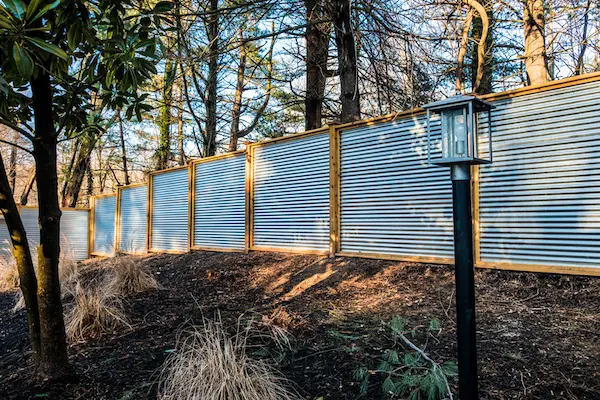
Creating a fence that stands out yet is sturdy can be a challenge, but a corrugated metal fence is a fantastic solution. It combines modern style with exceptional durability, making it a popular choice for many homeowners.
The process of framing a corrugated metal fence involves selecting the right materials, measuring your space accurately, and securely attaching the metal panels to a stable frame. This approach ensures a robust and attractive fence that can withstand various weather conditions and last for years.
In the following guide, we’ll delve into each step of framing a corrugated metal fence.
KEY Takeaways
- Materials Needed: Use corrugated metal panels, weather-resistant wooden posts and beams, and rust-proof fasteners for a durable fence.
- Building Process: Measure accurately, set and secure wooden posts, attach beams, then cut and install metal panels.
- Final Steps: Ensure stability, apply sealant and paint, and conduct regular maintenance for long-lasting durability.
Materials And Tools Needed
Let’s dive deeper into each of the essential materials and tools needed for constructing a corrugated metal fence, ensuring both its functionality and aesthetic appeal.
Corrugated Metal Panels
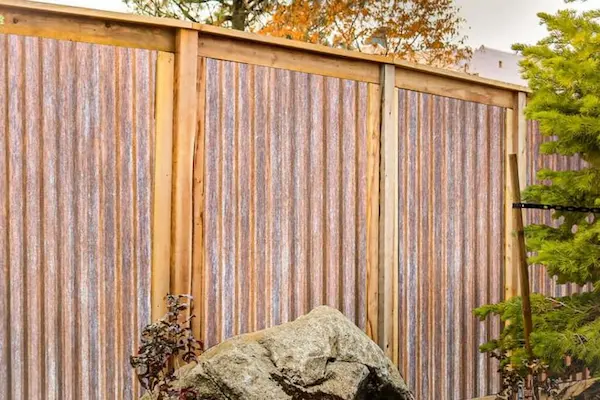
The corrugated metal panels, known for their distinctive wavy design, are the main attraction of your fence. These panels are aesthetically pleasing and boast high durability and rust resistance, making them ideal for outdoor use.
When selecting these panels, it’s crucial to consider the size and fit for your specific fence area. The correct size ensures seamless installation and contributes to your fence’s overall strength and appearance.
Wooden Posts And Beams
Wooden posts and beams form the structural foundation of your fence. The posts are installed into the ground, providing the necessary support for the entire structure. For the beams that connect the posts, choosing weather-resistant woods like cedar or redwood is vital.
These woods offer longevity and can withstand harsh weather conditions, ensuring your fence remains robust and stable for many years.
Fasteners And Hardware
The nuts and bolts of your fence, quite literally, are the fasteners and hardware. These small but essential components include screws, bolts, and brackets, acting as the binding agents that hold your fence together. Selecting high-quality, rust-proof fasteners is key to maintaining the structural integrity of your fence over time.
They play a pivotal role in ensuring that your fence stands firm against environmental challenges.
Saw, Drill, Level, Tape Measure
Your toolkit is as important as your materials. A saw is essential for cutting the wooden components to the correct size. A drill is used for making precise holes and securing the fasteners.
A level is critical for ensuring that your fence is perfectly horizontal or vertical, and a tape measure is indispensable for accurate measurements. Together, these tools are indispensable for a neat, professional finish.
Safety Gear
Safety should always be your top priority. Working with metal and wood involves risks like cuts, flying debris, and dust inhalation. Equip yourself with the right safety gear: gloves for hand protection, safety glasses for eye safety, and masks for respiratory protection. Remember, a safe working environment is key to a successful DIY project.
Steps To Frame A Corrugated Metal Fence
Let’s delve into the details of each step involved in framing a corrugated metal fence, ensuring that the process is both clear and manageable.
Determine Fence Layout
The first and most crucial step in framing a corrugated metal fence is planning the layout. This involves carefully measuring the area where the fence will be installed. Accurate measurements are crucial to ensure a well-proportioned fence.
Once you’ve measured the area, mark the spots where the posts will be installed. A thoughtfully planned layout is the foundation of your project, guiding all subsequent steps in the construction process.
Set And Secure Wooden Posts
The next step is to establish a strong base for your fence by setting and securing the wooden posts. Begin by digging holes for the posts at the marked locations. These holes should be deep enough to provide stability to the fence. Place the posts in the holes and then pour concrete around them to ensure they are firmly anchored in place.
Allow sufficient time for the concrete to set completely before proceeding, as this will determine the overall strength and stability of your fence.
Attach Horizontal Beams
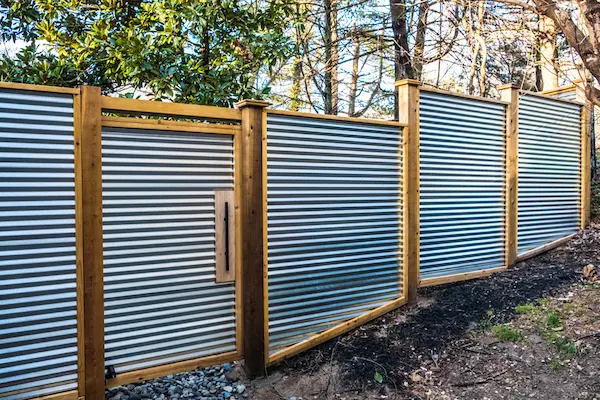
Once your posts are securely in place, attaching the horizontal beams is time. These beams run between the posts and provide the framework on which the metal panels will be mounted. Position the beams horizontally and use screws to attach them securely to the posts. Ensuring these beams are level and firmly attached is vital for the stability and appearance of your fence.
Cut And Install Metal Panels
You can now focus on the metal panels with the frame in place. Measure the space between the horizontal beams and cut your corrugated metal sheets to fit these measurements. It’s essential to ensure the panels are trimmed precisely for a snug fit.
Once cut to the correct size, place the panels in the designated spaces within the frame. The unique design of these panels contributes significantly to the aesthetic appeal of your fence.
Secure Panels To Beams
The final step in constructing your fence is to securely attach the metal panels to the horizontal beams. Use strong, durable screws for this purpose. Properly securing the panels is crucial as it not only adds to the structural integrity of the fence but also enhances its visual appeal. Once the panels are firmly fixed, your corrugated metal fence is complete, offering both durability and style.
Finishing Touches And Maintenance
Let’s break down the finishing touches and maintenance steps for a corrugated metal fence, ensuring its longevity and continued appeal.
Seal And Paint Metal
After assembling your corrugated metal fence, it’s essential to protect it from the elements. Apply a high-quality sealant to the metal panels to prevent rust. Once sealed, painting the fence not only adds a layer of protection but also enhances its aesthetic appeal. Choose a paint that’s suitable for outdoor metal surfaces. This step is vital for maintaining the durability and visual attractiveness of your fence over time.
Assess Fence Stability
Post-construction, it’s crucial to test the fence’s stability. Give the fence a gentle but firm push to ensure it doesn’t wobble. If there’s any movement, additional support may be necessary. A stable fence is key to its longevity and ensures it can withstand various environmental conditions.
Regular Inspection And Care
Routine maintenance is key to the longevity of your corrugated metal fence. Conduct inspections every few months to check for any signs of damage, particularly rust. Tackling any issues early, such as applying rust treatment or tightening loose components, can significantly extend the life of your fence, ensuring it continues to serve as a sturdy and attractive boundary.
Repair And Replacement Tips
Wear and tear are inevitable, but regular upkeep can minimize their impact. Always be on the lookout for loose panels or signs of corrosion. Keeping spare metal sheets and a set of tools on hand allows for quick repairs and replacements. Prompt attention to minor issues can prevent more significant, costly repairs down the line.
Adapting To Changing Needs
One of the great advantages of a corrugated metal fence is its adaptability. As your needs evolve – whether you require a taller barrier or want to install a new gate – this type of fence offers the flexibility for modifications. It’s relatively straightforward to adjust the panels or incorporate additional elements, making the corrugated metal fence a practical and versatile choice for homeowners.
Benefits And Considerations
In this section, we’ll explore the benefits and important considerations of corrugated metal fences. From their durability to style, and factors to think about before installation, we’ll cover all you need to know.
Aesthetic Appeal And Durability
Metal fences shine! They look modern and last long. With good care, they won’t rust or break for years. They can match any house style. And the best part? They fight off weather damage. So your yard stays looking sharp.
Wind And Privacy Benefits
This fence does two things well. It blocks wind and keeps prying eyes out. With its solid design, you get a private space. Enjoy outdoor time without worry. And those windy days? Your yard stays calm behind the sturdy panels.
Corrosion Prevention Measures
Rust is Metal’s enemy. But you can fight it. Paint and seal your fence. It stops water from causing harm. And extra care is key if you live near the sea. The salty air can rust things fast. So, check often and act quickly.
Eco-Friendly Aspects
Think green with metal fences! They’re often made from recycled material. When they get old, you can recycle them again. So they don’t fill up landfills. Plus, metal production uses less energy than other materials. That’s a win for our planet!
Your fence can be as unique as you are. Make it shine and stand out!
FAQs
1. Is Corrugated Metal Good For Fence?
Yes, corrugated metal is an excellent choice for fencing. It’s durable, weather-resistant, and requires minimal maintenance. Its unique wavy design offers both privacy and a modern look. This material withstands harsh elements, making it ideal for long-term outdoor use. Corrugated metal fences are also easy to install.
2. How Thick Is Corrugated Fence?
Corrugated fences typically range from 18 to 26 gauge in thickness, with the most common being around 22 gauge. The thickness varies depending on the specific needs and purpose of the fence. Thicker gauges offer more durability but are heavier, while thinner ones are lighter.
3. What Type Of Metal Is Best For Fence?
For fencing, the best type of metal is usually galvanized steel or aluminum. Galvanized steel is highly durable, rust-resistant, and ideal for various climates. Aluminum, on the other hand, is lightweight, doesn’t rust, and requires minimal maintenance. Both choices offer longevity and can be adapted to different styles.
How To Frame Corrugated Metal Fence: Conclusion
Crafting a corrugated metal fence brings together the strength of metal and the charm of modern design. When done right, these fences not only protect and secure but also uplift a property’s look. They’re durable, stylish, and can withstand tough conditions.
Going the corrugated metal way is a smart choice if you’ve thought about adding a fence. With the right steps and care, it will stand tall and proud for years. Give your home the sturdy and sleek boundary it deserves!