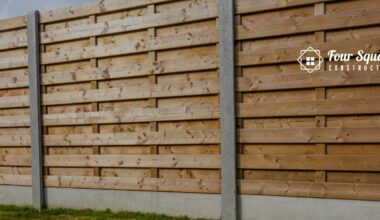
When considering fencing options, the debate between composite and wood is a common one among homeowners. Both materials offer distinct advantages and have unique characteristics that can influence your decision. Understanding these differences is key to choosing the right fence for your home and lifestyle.
In the comparison of composite vs wood fences, factors like durability, maintenance, cost, and aesthetic value play significant roles. Composite fencing offers longevity and low maintenance, while wood fencing provides a classic, natural look. Each type has its specific benefits and considerations.
This section will delve into the nuances of composite and wood fences.
KEY Takeaways
- Durability Comparison: Composite fences are known for their long-lasting durability and resistance to weather elements, unlike wood.
- Maintenance Needs: Wood fences need regular maintenance, like staining and sealing, whereas composite fencing requires minimal upkeep.
- Cost and Value: Initially, composite fencing can be more expensive than wood, but its low maintenance can lead to cost savings over time.
Composite – Durability And Maintenance
In this section, we’ll explore the durability and maintenance aspects of composite fencing, highlighting its long-lasting nature and minimal upkeep.
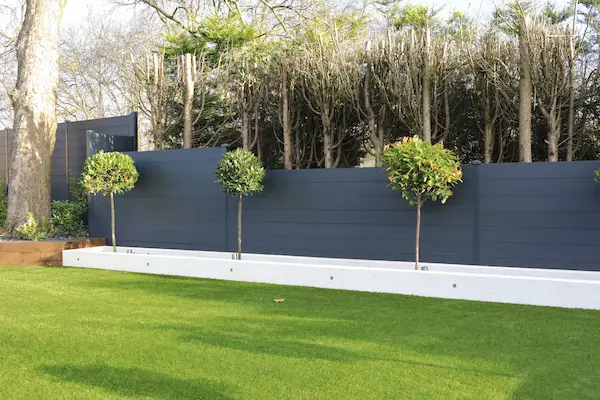
Composite – Durability
Composite materials are engineered for high durability, often outperforming traditional materials like wood or metal in terms of longevity and resistance to wear and tear. The unique combination of fibers and resin in composites contributes to their remarkable strength and ability to withstand harsh environmental conditions.
This makes them ideal for applications where durability is a key requirement, such as in the construction, aerospace, and automotive industries.
Maintenance
Maintaining composite materials is relatively straightforward, primarily because they are designed to be low-maintenance. Unlike materials that corrode or decay, composites generally resist such degradation. Regular cleaning to remove dirt and debris is usually sufficient to keep these materials in good condition.
However, it’s important to follow specific care instructions provided by the manufacturer, as some composites may have unique requirements or sensitivities.
Wood – Durability And Maintenance
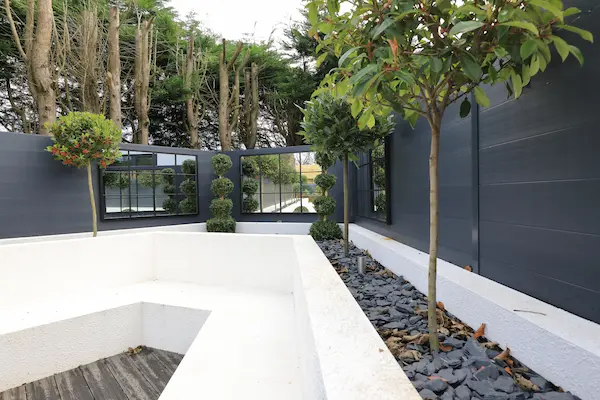
In this section, we will explore the enduring qualities of wood, a material that has been integral to human construction and design for millennia.
Wood – Durability
Wood is a naturally durable material, but its longevity depends greatly on the type of wood and the environment it is exposed to. Hardwoods like oak, teak, and mahogany are known for their exceptional durability and resistance to wear, making them ideal for high-traffic areas and outdoor furniture. Softwoods, while more affordable, generally have a shorter lifespan and are more susceptible to damage.
The natural resilience of wood can be further enhanced through treatments and finishes that protect against moisture, pests, and decay.
Maintenance
Maintaining wood to ensure its longevity involves regular care and attention. This includes cleaning, polishing, and occasionally reapplying protective finishes. Wood is prone to scratches, dents, and water damage, so it’s important to promptly address any spills or damages. For outdoor wooden structures or furniture, additional protection against the elements is crucial.
Regular inspections for signs of wear, decay, or pest infestation can help in taking timely measures to preserve the wood’s integrity and appearance.
Composite – Cost And Budget Considerations
In this next section, we shift our focus to the financial aspects of using composite materials. Understanding the cost implications and budget considerations is crucial for anyone considering composites for their projects.
Composite – Cost
Composites, known for their superior strength-to-weight ratio and versatility, often come with a higher upfront cost compared to traditional materials like wood or metal. The pricing can vary significantly depending on the type of composite, its quality, and the complexity of the manufacturing process.
High-performance composites, often used in aerospace and automotive industries, can be particularly costly. However, it’s important to consider the long-term benefits such as durability, low maintenance, and energy efficiency, which can offset the initial investment over time.
Budget Considerations
When planning a budget for a project involving composites, it’s essential to factor in not only the material costs but also associated expenses. These can include the costs of specialized fabrication tools, installation, and potential maintenance. Additionally, the longevity and reduced upkeep of composites can lead to long-term savings, making them a cost-effective choice in the long run.
It’s advisable to conduct a thorough cost-benefit analysis, considering both immediate and future financial implications, to determine if composites align with your project’s financial goals.
Wood – Cost And Budget Considerations
In this section, we delve into the financial aspects of utilizing wood in various projects. Understanding the cost and budget considerations associated with wood is essential for anyone planning to use this timeless material.
Wood – Cost
The cost of wood varies widely depending on factors such as type, quality, and availability. Hardwoods like oak, cherry, and maple are typically more expensive than softwoods like pine and cedar due to their durability and aesthetic appeal. The price of wood can also be influenced by the region of harvest, transportation costs, and market demand.
Exotic or rare woods tend to be pricier and often used for high-end furniture or specialty applications. It’s important to balance the aesthetic and functional requirements of your project with the cost of the wood to make an economical choice.
Budget Considerations
When budgeting for wood, consider not just the initial purchase price but also long-term costs such as maintenance, repairs, and potential replacement. For instance, outdoor wooden structures may require regular treatments to protect against weather and pests, adding to the overall cost.
Additionally, the skill level needed for installation and finishing can impact labor costs. Opting for locally sourced wood and considering alternatives like engineered wood or wood veneers can offer cost savings without compromising on quality.

Composite – Environmental Impact
Composite materials, especially those used in applications like fencing, are increasingly recognized for their positive environmental impact. In this section, we discuss the environmental impact.
Made From Recycled Materials
One of the key environmental benefits of composite materials is their incorporation of recycled content. Many composite products are made from a blend of recycled plastics and wood fibers, which not only helps in reducing the accumulation of waste in landfills but also conserves natural resources.
By repurposing materials that would otherwise be discarded, composite production plays a vital role in promoting a circular economy, where materials are reused and recycled, minimizing the need for new resource extraction.
Reduced Deforestation And Resource Depletion
Opting for composite materials, particularly in applications like fencing, contributes significantly to reducing the demand for lumber. This reduction is crucial in the context of global deforestation and habitat destruction. By choosing composites over traditional wood products, consumers and industries can actively contribute to the preservation of forests. Preserving forests not only helps in maintaining biodiversity but also in regulating climate, as forests act as vital carbon sinks.
Lower Carbon Footprint
The production process of composite materials generally results in a lower carbon footprint compared to that of traditional wood products. This is due to several factors, including more efficient manufacturing processes and the reduced need for transporting raw materials, as recycled materials can often be sourced locally. Additionally, the longevity and low maintenance requirements of composite products mean that over their lifecycle, they can be more environmentally friendly
Wood – Environmental Impact
Wood, as a material used in various applications including fencing, stands out for its environmental benefits, primarily due to its renewable nature, availability of sustainably sourced options, and its role in carbon sequestration.
Renewable And Biodegradable Materials
One of the most significant environmental benefits of wood is its status as a renewable resource. Trees, the primary source of wood, can be replanted and harvested in a sustainable cycle, making wood a continuously replenishable material. This cycle supports the maintenance and growth of forests, which are crucial for ecological balance.
Additionally, wood is biodegradable, meaning it can decompose naturally without contributing to landfill waste, unlike many synthetic materials. By choosing wood for fencing or other applications, you support the use of renewable resources and reduce reliance on non-renewable, environmentally taxing materials.
Sustainably Sourced Options Available
The environmental impact of wood can be further mitigated through responsible sourcing practices. Many manufacturers now offer wood that is certified as sustainably sourced, adhering to strict environmental standards and regulations. These certifications, like those from the Forest Stewardship Council (FSC), ensure that the wood is harvested in a way that maintains the health of forests, protects biodiversity, and supports local communities.
By opting for sustainably sourced wood, consumers and industries contribute to responsible forest management and the protection of vital ecosystems.
Potential For Carbon Sequestration
Wood possesses the unique capability of carbon sequestration, absorbing carbon dioxide from the atmosphere during its growth phase. This natural process helps mitigate climate change by reducing the amount of greenhouse gases in the atmosphere.
When wood is used in long-lasting applications like fencing, it effectively locks away carbon for the duration of its use, contributing to the reduction of greenhouse gas emissions. This characteristic makes wood a particularly appealing choice for those looking to minimize their environmental footprint.
FAQs
1. Is Composite Fencing Stronger Than Wood?
Composite fencing is generally stronger and more durable than wood fencing. Composite fencing is a blend of wood fibers and recycled plastic which creates a sturdy, weather-resistant material. Unlike wood, composite resists rotting, cracking, and insect damage. Composite retains its shape and color better over time.
2. Is Composite Wood Good For Fencing?
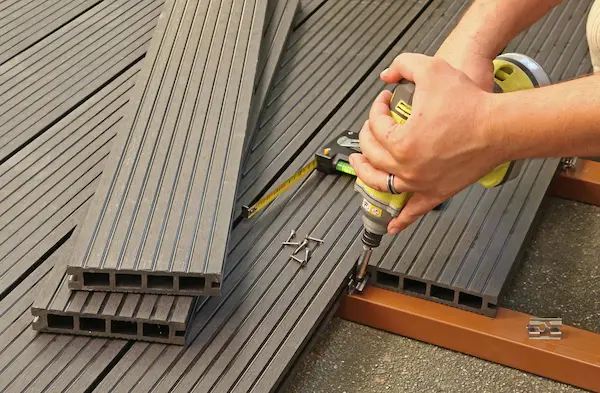
Yes, composite wood is an excellent material for fencing. It is made from wood fibers mixed with recycled plastics, making it more durable and weather-resistant than natural wood. Composite wood resists rotting, cracking, and insect damage better than traditional wood
3. Is Composite Fencing Worth It?
Yes, composite fencing is generally worth the higher upfront cost. Made from a blend of wood fibers and recycled plastics, composite resists rotting, splintering, cracking, and insect damage better than natural wood. It retains its color and shape longer without needing frequent staining or painting.
Composite Vs Wood Fence: Conclusion
When deciding whether to go with a composite or wood fence, there are some important things to think about. You should consider how durable they are, how much maintenance they need, how much they cost, how they impact the environment, and which one you think looks the best.
Wood fences are beautiful and can be customized, but they require more upkeep. Composite fences last a long time, need less maintenance, and are better for the environment. By thinking about these factors, you can choose the fence that fits your needs and makes your property more valuable and attractive for a long time.