Building a chain link fence is more than just connecting wires. One key factor determining your fence’s strength and longevity is the chain link fence post depth.
This depth ensures your fence stands tall against winds, weather, and time. Think of it as the foundation of a house.
Just like a tree needs strong roots to grow tall, a fence needs deep posts to stand firm. Let’s delve into the importance of this detail and how it affects the overall stability of your fence.
Factors Influencing Depth
Soil Type
Soft Soil
You need to dig deeper to make sure the post stays in place if your soil is soft, like sandy or loamy.
Hard Soil
It will hold the post better in hard soils like clay but also harder to dig.
Fence Height
Shorter Fences
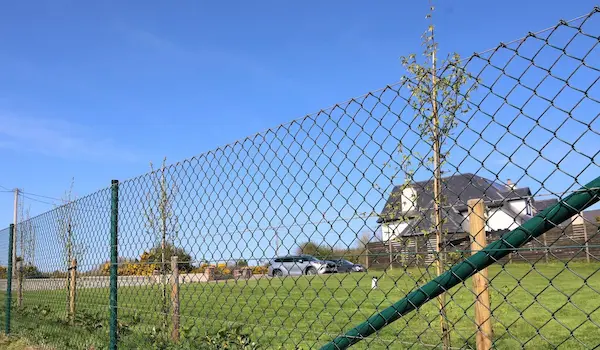
They need less support, so you don’t need to dig too deep.
Taller Fences
These need more support. This means a deeper hole to make sure the fence doesn’t fall or lean.
Local Climate
Cold Areas
The ground can freeze and push the post up in places with frost. This is called “frost heave.” To avoid this, place the post below the frost line.
Wet Areas
You must dig deeper to ensure the post stays in place if your soil is soft, like sandy or loamy.
Post Material
Metal Posts
These are strong and can resist rot. But, they can rust. Sometimes, you must put them deeper to avoid rusting at the base.
Wooden Posts
Wood can rot if it’s in moist soil. It’s good to use treated wood and ensure enough depth to last longer.
Installation Technique
Concrete Base
Some people use concrete around the post’s base. This adds strength. You need to dig deeper to make sure the post stays in place if your soil is soft, like sandy or loamy.
Gravel Base
Others use gravel at the bottom of the hole. This helps with drainage, especially in wet areas.
Recommended Depths
Residential Guidelines
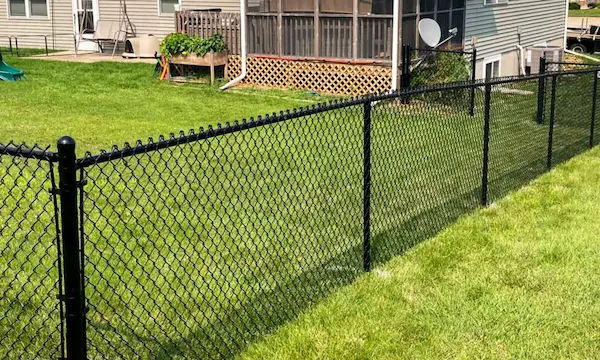
For homes, it’s usual to see fence post depths of about 2-3 feet. This is deep enough for average home fences about 4-6 feet tall. It helps keep the fence steady and upright.
Commercial Standards
For businesses or public places, the fences are often taller. The posts need to be deeper because of this.
Usually, they go about 3-4 feet deep. This ensures that the fences, up to 8 feet tall, don’t fall or lean over.
Industrial Requirements
In places like factories or big warehouses, security is critical. The fences here are very tall.
The posts for these fences are often 5-6 feet deep or even deeper. This depth keeps the fence strong, even if it’s very tall or if there’s strong wind.
Legal Regulations
Sometimes, the town or city you live in has rules. These rules say how profound a fence post must be. It’s always a good idea to check with local officials.
They can tell you if there’s a specific depth you must follow.
Customization Options
Some people want a special look for their fence. Some want it extra tall or want it to have a special design.
In these cases, the depth will change based on what they want. A taller custom fence will need deeper posts.
A shorter decorative fence does not need as deep posts. But always ensure it’s deep enough to stay up and safe.
Benefits Of Proper Depth
Enhanced Durability
Getting the right depth means your fence lasts longer. When posts are deep enough, they face less stress from winds and weight. This means they don’t wear out or break quickly. So, your fence stays strong year after year.
Increased Stability
A good depth ensures that your fence stands firm. Even in bad weather, like strong winds or heavy rain, a deep post helps the fence stay upright. You won’t have to worry about it falling or getting pushed over easily.
Preventing Leaning Or Sagging
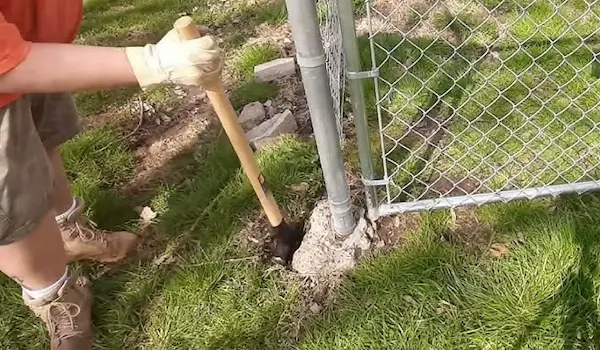
Nobody wants a fence that leans or sags. It looks terrible and is not safe. With the right depth, your posts support the fence well. This means it stays straight and even, not leaning to one side or sagging in the middle.
Cost-Efficiency
Think of it as an investment. When you dig deep enough the first time, you save money later.
How? You won’t need to spend money on repairs or replacements if your fence stays up and doesn’t break. In the long run, you save cash.
Long-Term Maintenance
A fence with posts at the right depth is easier to care for. You’ll have fewer problems to fix. This means less work for you over the years. Instead of checking for issues, you can enjoy a fence that works.
FAQs
1. How Does Soil Type Affect Chain Link Fence Post Depth?
Soft soils like sandy or loamy require deeper posts for stability. Hard soils, such as clay, offer better hold but are tougher to dig.
2. What Role Does Local Climate Play In Determining Post Depth?
In cold areas, posts must exceed the frost line to avoid “frost heave.” Wet climates suggest deeper posts to combat soggy ground movement.
Conclusion
Understanding the chain link fence post depth is essential for anyone looking to have a long-lasting and sturdy fence.
It’s not just the visible parts of the fence that matter, but also the parts we don’t see – the foundation that’s buried underground.
This depth plays a huge role in the fence’s overall strength. So, when you think about setting up or checking a chain link fence, remember post depth’s crucial role in its longevity and stability.