
Maintaining your asphalt driveway during winter can be challenging, especially concerning deicing. One standard method is using salt to melt the ice and snow. However, many wonder if using salt on their asphalt driveway is safe and ask.
Yes, you can use salt on an asphalt driveway, but caution is essential. Rock salt can help melt ice, but excessive use can damage the asphalt surface over time. Opt for calcium or magnesium chloride for less harm and follow recommended application guidelines.
Today, we’ll also explore the effects of salt on asphalt driveways, alternatives to salt for deicing, and dos and don’ts of winter maintenance for asphalt driveways.
KEY Takeaways
- Renewable Resource: Solar energy provides a limitless power source harnessed from the sun, reducing fossil fuel dependence.
- Environmental Impact: Using solar panels significantly reduces carbon emissions, promoting a cleaner environment.
- Cost Savings: Initial installation costs are offset by long-term savings on energy bills and potential tax incentives
The Effects of Salt on Asphalt Driveways
When salt dissolves in water, it creates a brine solution that seeps into the cracks and pores of your asphalt. As the water freezes and expands, it can cause the cracks to widen and lead to further damage to your driveway.
Salt is a commonly used deicing agent that helps to melt the ice and snow on your driveway. However, it can have some adverse effects on your asphalt driveway.
Different types of salt are used for deicing, including rock salt, calcium chloride, and magnesium chloride. Rock salt is the most commonly used salt and can effectively melt ice above 20°F.
Calcium chloride is superior to rock salt and works at lower temperatures but can be more expensive. Magnesium chloride is the most expensive but is also the most effective at melting ice at low temperatures.
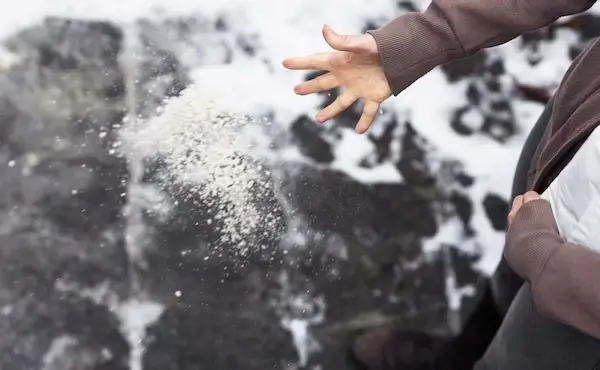
Alternatives To Salt For Deicing Asphalt Driveways
There are alternative methods for deicing asphalt driveways that can be as effective as salt without negatively impacting the environment or your driveway. These include:
- Sand: Sand is an excellent alternative to salt that provides traction on icy surfaces. It won’t melt the ice but will make your driveway less slippery, making walking and driving safer.
- Calcium Magnesium Acetate (CMA): CMA is an environmentally friendly deicing agent made from natural materials. It’s effective at melting ice and snow and won’t damage your driveway or harm the environment.
- Beet Juice: Beet juice is a natural deicing agent that is safe for the environment and won’t harm your driveway. It’s effective at melting ice and snow and can be mixed with other deicing agents for better results.
When choosing an alternative to salt, consider each method’s effectiveness, cost, and environmental impact.
Dos And Don’ts of Winter Maintenance for Asphalt Driveways
To keep your asphalt driveway in good condition during winter, here are some dos and don’ts to keep in mind:
Dos:
- Shovel your driveway regularly to prevent ice buildup
- Use a plastic or rubber-edged shovel to avoid damaging your driveway
- Use a broom to remove light snow
- Use sand, CMA, or beet juice as an alternative to salt
- Repair any cracks or potholes in your driveway before winter
Don’ts:
- Use metal shovels or tools that can damage your driveway
- Use hot water to melt ice, as it can cause cracks and damage to your driveway
- Use salt or other deicing agents excessively
- Allow ice and snow to build up on your driveway for extended periods

FAQs
Does Salt Ruin Your Asphalt Driveway?
Salt can adversely affect asphalt driveways such as widening cracks and making the asphalt brittle over time. Alternative methods such as sand, CMA, or beet juice are best to avoid damaging your driveway.
How Do You Deice An Asphalt Driveway?
When you have ice on an asphalt driveway, you can use things like salt, sand, CMA, or beet juice to melt it. Choosing a method that’s easy to use, affordable, and won’t harm the environment is critical. This helps keep your driveway safe and in good condition.
How Do I Make My Asphalt Driveway Less Slippery?
Using sand or other traction-enhancing materials can help make your asphalt driveway less slippery during winter. Removing snow regularly and avoiding excessive use of deicing agents can help maintain a safe driveway surface with proper thickness.
When Should You Not Salt Your Driveway?
You shouldn’t salt your driveway when it’s very cold, like below 20°F, because the salt won’t work well. Also, using too much salt isn’t good, as it can damage your driveway and the environment. It’s always best to use just the right amount.
Conclusion
While salt can effectively deice your asphalt driveway, it can have negative consequences. Alternative methods like sand, CMA, or beet juice can provide the same results without harming your driveway or the environment. When choosing a deicing method, consider each option’s effectiveness, cost, and environmental impact.


