Cedar fences are admired for their natural beauty and durability, standing firm against time and weather. Just like any wood structure, they require some care to maintain their charm and ensure a long lifespan. But how to seal a cedar fence?
Sealing a cedar fence properly involves cleaning the wood and removing old sealant, then allowing 2-3 days to dry. Apply the cedar fence sealer with a brush, following the product directions. Allow 6 hours of drying time between coats. Two coats freshly seal the fence.
In this guide, we’ll delve deep into the steps, tools, and tips for sealing your cedar fence. By the end, you’ll have a clear roadmap to protect and enhance the beauty of your wooden barrier.
Preparing The Fence
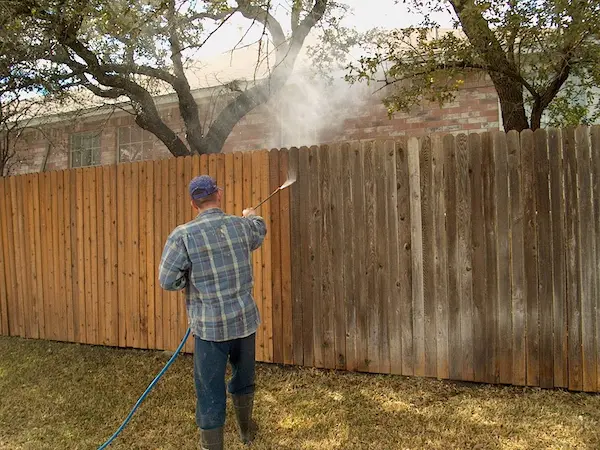
In this section, we’ll discuss cleaning, sanding, checking repairs, and protecting plants.
Cleaning The Surface
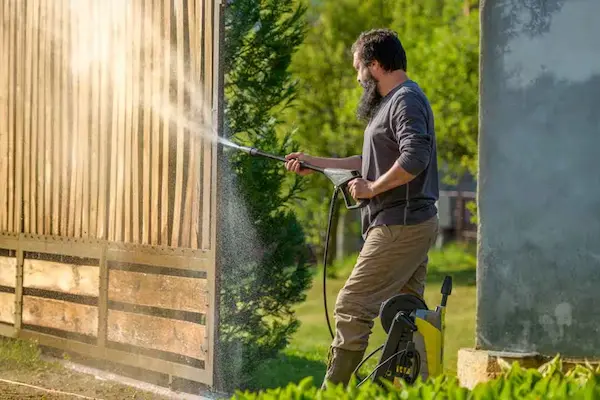
A clean fence ensures that the sealant adheres properly. Start by removing dirt and debris with a soft brush. Then, wash the fence using a mild soap and water. Rinse it thoroughly and let it dry completely.
Sanding Imperfections
Over time, wood can show wear and rough spots. Sanding helps to smooth these out. Use medium-grit sandpaper to sand the fence lightly. This will create a smooth surface for the sealant. After sanding, wipe away any dust.
Checking For Repairs
Before sealing, inspect your fence. Look for loose boards or nails. Tighten or replace them as needed. It’s easier to make repairs now than after sealing. A sturdy fence will last longer and look better.
Protecting Nearby Plants
Plants near the fence can get damaged during the sealing process. To avoid this, cover them with a cloth or plastic sheet. Remove the coverings when you’re done. This keeps your plants safe and healthy.
Choosing The Right Sealant
In this section, we will cover the differences between oil-based and water-based sealants, transparency options, UV protection, and eco-friendly choices.
Oil-Based Vs. Water-Based
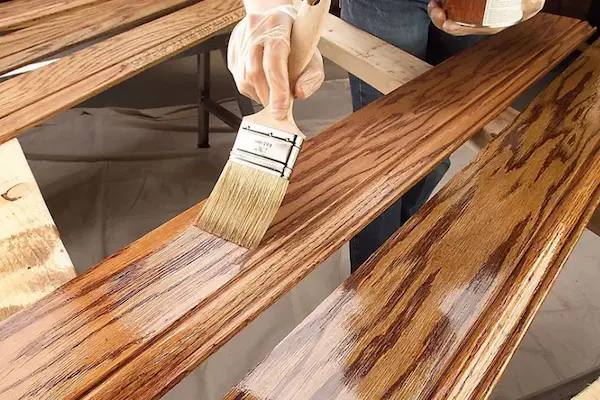
Oil-based sealants penetrate the wood deeply. They offer strong protection and a longer-lasting finish. On the other hand, water-based sealants dry faster. They’re easier to clean up, using just soap and water.
Transparency Options
Sealants come in various transparencies. Clear sealants let the wood’s natural beauty shine through. Semi-transparent ones add a hint of color but still show the grain. Solid sealants hide the wood grain but offer bold colors.
UV Protection
The sun’s rays can harm your fence. Sealants with UV protection will shield the wood from fading and sun damage. A fence with UV protection will stay vibrant and strong, even in sunny areas.
Eco-Friendly Choices
When you care about the environment, there are green sealants available. These sealants have fewer harmful chemicals.
They’re safe for the earth and will protect your fence just as well as regular ones. Always check labels for eco-certifications.
Applying The Sealant
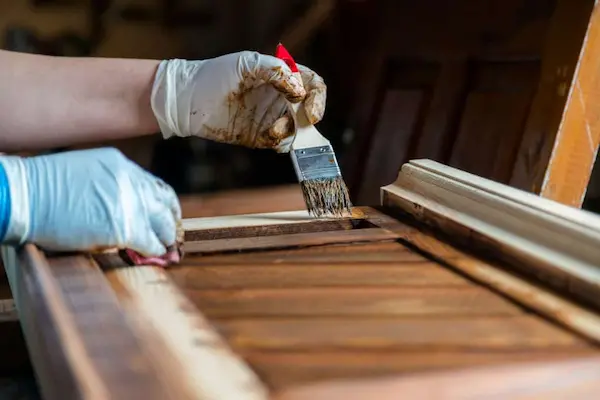
This section will guide you on the right tools, the best technique, ensuring even application, and the benefits of multiple coats.
Tools For The Job
For a successful job, using the right tools is key. Brushes and rollers are common choices. Brushes get into tiny spaces, while rollers cover large areas quickly. Always clean your tools after use.
Proper Technique
Using the right method is crucial. Start from the top of the fence and work downwards. This prevents drips. Always move in long, steady strokes. This will help avoid streaks on your fence.
Even Application
Consistency is the goal. A patchy sealant job won’t protect well. Apply the sealant in a thin, even layer. Ensure there are no puddles or missed spots. A smooth coat ensures maximum protection.
Multiple Coats
A single coat offers some protection. However, 2 or more coats will boost durability. Between coats, let the fence dry as per the product’s instructions. Multiple coats will make the fence look and last better.
FAQs
What Is The Best To Seal A Cedar Fence?
A high-quality fence sealer designed for cedar is the best product to seal and protect a cedar fence. Look for an oil-based sealer that repels water and contains UV blockers. Read the label to ensure it is formulated for cedar wood.
Allow proper drying time between coats.
Do Cedar Fences Need To Be Sealed?
Sealing a cedar fence is highly recommended to protect and preserve the wood. Though naturally durable, untreated cedar can warp, crack, and turn gray without a sealer.
Sealing the cedar with a UV-resistant stain or sealant every 2-3 years is advisable for the longest fence lifespan and appearance.
Is It Better To Stain Or Seal A Cedar Fence?
For cedar fences, staining is generally better than sealing alone. Stain protects the wood while adding color. Clear sealers only block moisture and sun damage.
Use an oil-based semi-transparent stain formulated for cedar first, followed by a cedar sealer for maximum protection and beauty.
How To Seal A Cedar Fence: Conclusion
Sealing your cedar fence is more than just a task; it’s an investment in its longevity and beauty. By correctly sealing a cedar fence, you ensure its protection against the elements and retain its natural charm.
Remember, a well-maintained cedar fence enhances your property’s appeal and serves its purpose for many years.
Now, with the knowledge you’ve gained, your fence is ready to stand tall, protected, and beautiful for seasons to come.