
Clay roof tiles have long been admired for their timeless aesthetics and durability. Still, a question can arise: Are clay roof tiles expensive? Read this in-depth article to find out.
Yes. Clay roof tiles are more expensive than other roofing materials. The cost varies depending on factors like quality, size, and style. While they can have a higher upfront cost, clay tiles are durable, energy-efficient, and can last for decades, making them a worthwhile investment for your home.
Here, we will explore the factors affecting clay roof tile costs. Then, we’ll provide insights into whether clay roof tiles are expensive compared to other roofing materials. Read this comprehensive article to learn more.
KEY Takeaways
- Cost Considerations: Clay roof tiles can cost more initially than other materials, but they offer durability and longevity.
- Long-Term Investment: Despite the initial cost, clay tiles are known for their durability and longevity, making them a cost-effective choice.
- Aesthetic Appeal: Clay tiles add a beautiful and unique look to a home, enhancing its curb appeal and property value.
Factors Affecting Clay Roof Tile Costs
Let’s begin our discussion with the factors affecting clay roof tile costs. These include material quality and grade, size, and design complexity. These also include geographic location and availability, installation method and labor costs. You also need to consider additional features and customizations.
Material Quality And Grade
The quality and grade of clay used to manufacture roof tiles greatly impact their cost. High-quality clay tiles are more durable and have better resistance to weathering. This often translates to a higher price tag.
Lower-grade clay tiles can be more affordable but can compromise longevity and performance.
Tile Size And Design Complexity
The size and design of roof tiles can affect their cost. Bigger and more detailed tiles need more materials and work, so they cost more. Smaller and simpler tiles are easier to make and are usually cheaper to buy.
Geographic Location And Availability
The cost of clay tiles for roofs can vary depending on where you live and the availability of clay resources in that region. Areas with abundant clay deposits typically offer more affordable options than regions where clay is scarce and needs to be transported over long distances.
Installation Method And Labor Costs
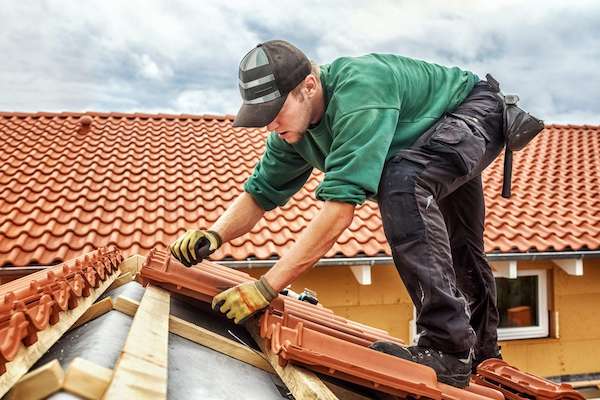
The installation method and labor costs play a significant role in determining the overall cost of clay tiles for roofs. Complex installation processes or hiring skilled laborers can increase the total cost.
DIY installation can potentially save money. Still, it requires expertise to ensure proper installation and avoid costly mistakes.
Additional Features And Customizations
Adding special features like shiny coatings, pretty designs, or different colors can increase the cost of clay tiles for roofs. These customizations make the roof look nicer. Still, it can also make the tiles more expensive to buy.
Comparison With Other Roofing Materials
Now, let’s compare it with other roofing materials: concrete tiles, metal roofing, asphalt shingles, and slate roofing. Also, consider long-term cost considerations. Let’s get a better understanding.
Cost Comparison With Concrete Tiles
Clay roof tiles are often compared to concrete tiles due to their similar appearance and durability. While concrete tiles are generally cheaper upfront, clay tiles offer superior longevity and beautiful appeal. This makes them a cost-effective choice in the long run.
Comparison With Metal Roofing
Metal roofing is another popular alternative to clay tiles. While metal roofs can have a lower initial cost, they often require more frequent maintenance and do not last as long as clay tiles. Also, clay tiles offer better insulation properties. This potentially leads to energy savings over time.
Comparison With Asphalt Shingles
Asphalt shingles cost less at first. Still, they don’t stay good as long as clay tiles and can need changing more, which can cost more over time. Clay tiles are more expensive initially. Still, they last longer, so they save money in the long term.
Comparison With Slate Roofing
Slate roofs are very strong and look nice, but they cost a lot of money. Clay tile roofs are not as fancy as slate. Still, they are more affordable and can last a long time. Clay roof tiles are a good choice if you want a roof that will last without spending too much.
Long-Term Cost Considerations
When evaluating the cost of clay tiles for roofs, it’s essential to consider their long-term benefits. The initial investment can be higher. Still, the durability, low maintenance requirements, and energy efficiency of clay tiles can result in significant cost savings over the roof’s lifespan.
Cost Benefits Of Clay Roof Tiles
In this section, we’ll explain the cost benefits of clay tiles for roofs. These include durability and longevity, low maintenance requirements and energy efficiency and insulation. These also include potential increases in property value and cost savings over time. Let’s get into the details.
Durability And Longevity
Clay roof tiles are known for being quite strong and lasting a long time. When you take care of them, they can last for many years. They outlast other types of roofs. This means you won’t have to replace them as often. It saves you money in the long run.
Low Maintenance Requirements
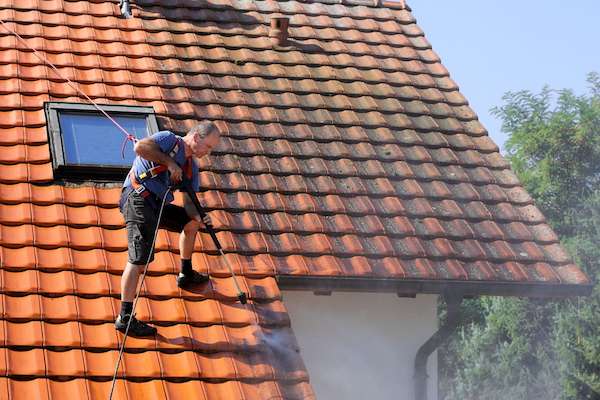
Clay roof tiles don’t need much maintenance. You just need to check and clean them once in a while to keep them in good shape. This means less work for homeowners and fewer expenses on maintaining the roof. It can save time and money.
Energy Efficiency And Insulation
Clay roof tiles can keep homes cooler in the summer and warmer in the winter. This is because they help trap the air inside. This means homeowners don’t have to use as much energy for heating and cooling, which leads to lower electricity bills and makes the home more comfortable.
Potential Increase In Property Value
The timeless beauty and durability of clay tiles for roofs can enhance the curb appeal and resale value of a property. Homebuyers often perceive clay roofs as a sign of quality and craftsmanship. This makes them willing to pay more for homes with these premium features.
Cost Savings Over Time
Clay tiles for roofs can be more expensive upfront than some alternatives. Still, their long-term benefits outweigh the initial investment. From lower maintenance expenses to energy savings and increased property value, clay tiles offer a cost-effective roofing solution in the long run.
Cost Saving Strategies
Before ending our discussion, let’s learn some cost-saving strategies. These include comparing quotes from multiple suppliers and negotiating installation costs. These also include choosing standard-sized tiles and opting for simple designs. You also must consider proper maintenance to extend lifespan.
Comparing Quotes From Multiple Suppliers
Getting prices from different stores lets you see who has the best deal for clay roof tiles. You can then ask for a lower price or a better offer. By looking at different options, you make sure you get the best price for the tiles you want to buy.
Negotiating Installation Costs
Talking to the people installing your clay roof tiles about the cost can help you save money. You can discuss payment plans, getting more services for a lower price, or asking for discounts. This can make the project cheaper overall and more affordable for you.
Choosing Standard Sized Tiles
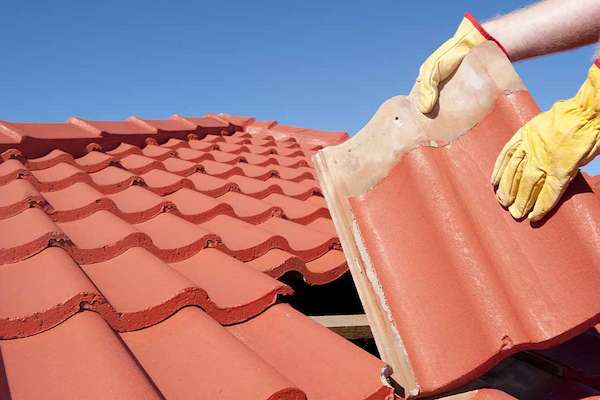
Choosing regular-sized clay tiles instead of custom ones can help you save money. Regular tiles are easier to find and made in big batches. So, they cost less than special orders. This can make your project more affordable by reducing the cost of materials.
Opting For Simple Designs
Picking basic designs for clay roof tiles can save money. Fancy patterns cost more to make and install. Simple designs won’t be as fancy, but they can help keep costs down. This way, you can save money on making and putting in the tiles.
Proper Maintenance To Extend Lifespan
Taking care of clay tiles for roofs can make them last longer and avoid having to be replaced too soon. Easy jobs can prevent big problems later. For example, cleaning gutters, clearing debris, and checking for damage Regular maintenance helps avoid expensive fixes and keeps your roof in good shape.
FAQs
Why Are Clay Roof Tiles Considered Expensive?
Clay roof tiles are considered expensive due to their high-quality material, durability, and longevity. The production process and transportation costs also contribute to their higher price than other roofing materials. Still, their beauty and value make them a worthwhile investment for homeowners.
What Factors Influence The Price Of Clay Roof Tiles?
Several factors influence the price of clay roof tiles. For example, the quality of the clay used, manufacturing techniques, customization options, and the complexity of the tile design. Some other factors such as transportation and installation fees can also impact the overall price.
Can The Cost Of Clay Roof Tiles Vary By Region?
Yes. The cost of clay roof tiles can vary by region. This is due to differences in manufacturing costs, raw material availability, labor expenses, and market demand. Some additional factors can also impact pricing in different areas. For example, local regulations and climate conditions.
Conclusion
In conclusion, the cost of clay tiles for roofs depends on various factors. For instance, material quality, size, location, and customization options.
Clay tiles can have a higher upfront cost than some roofing materials. Still, their durability, low maintenance requirements, and long-term cost benefits make them worthwhile investments for homeowners.
Consider cost-saving strategies and compare alternatives. Thus, you can make informed decisions. As a homeowner, you can also enjoy the timeless beauty and reliability of clay roof tiles for years.


