
Choosing clay and concrete tiles for your roof can impact its performance, aesthetics, and longevity. Both materials have advantages and disadvantages that homeowners must carefully consider before making a decision. Still, are clay roof tiles better than concrete? Read this article to find out.
When comparing clay roof tiles to concrete, clay tiles are often preferred. This is for their natural beauty, durability, and ability to withstand harsh weather conditions. They are also more eco-friendly and have a longer lifespan. These qualities make them a popular choice for roofing projects.
Here, we will explore the key differences between clay and concrete roof tiles. We’ll also explain their respective advantages and disadvantages. We’ll also focus on the factors that must influence your decision-making process. Read this comprehensive article to learn more.
Key Takeaways
- Durability: Clay roof tiles tend to last longer than concrete, standing up better to the elements.
- Aesthetics: Clay tiles have a classic look with earthy tones, adding charm and beauty to homes.
- Eco-friendly: Clay tiles are made from natural clay and can be recycled. So, it reduces environmental impact.
7 Key Differences Between Clay Tile And Concrete Tiles
Let’s discuss the key differences between clay tiles and concrete tiles first. We have used a table to show these differences for your understanding. Look at the following table to learn them.
| Attribute | Clay Tiles | Concrete Tiles |
| Material Composition | Made from natural clay fired at high temperatures. | Composed of cement, sand, and water. |
| Weight Factors | Lighter weight | Heavier weight |
| Lifespan | Can last over a century. | Typically, it lasts around 50 years. |
| Color and Aesthetics | Natural colors, earthy appearance. | A wide range of colors and styles are available. |
| Cost Considerations | Higher upfront cost, but long-term savings. | Lower upfront cost, but can require more maintenance over time. |
| Environmental Impact | More environmentally friendly, minimal energy requirements. | Higher environmental impact can require more resources for production. |
| Maintenance and Repair | Less prone to fading and weathering, requiring less maintenance. | Can require periodic sealing or coating for protection and is more prone to color fading over time. |
Advantages Of Clay Roof Tiles
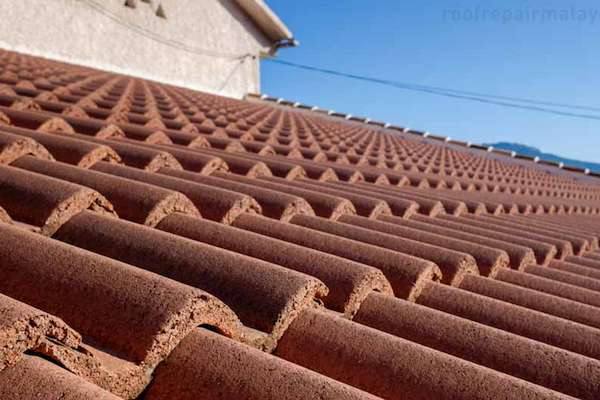
In this section, we’ll learn the advantages of clay roof tiles. These include durability, longevity, aesthetics, and a classic look. These also include natural insulation properties and resistance to fading and weathering. Let’s learn more about them.
Durability And Longevity
Clay roof tiles last a long time. They stay strong in tough weather. When put on right and taken care of, they can stand up to strong winds, hail, and fire. They can last for many years, even for generations.
Aesthetic Appeal And Classic Look
Clay roof tiles make homes look beautiful. This is with their natural colors and textures. They give a classic and elegant look. It goes well with many different styles of houses. For example, Mediterranean villas or cozy cottages.
People like them because they make homes look even nicer from the outside.
Natural Insulation Properties
Clay tiles help keep homes at a comfortable temperature all year round by providing natural insulation. They keep houses cool in the summer and warm in the winter. This helps to save energy. This makes homes more efficient. It means people are more comfortable inside.
Resistance To Fading And Weathering
Clay tiles are known for their resistance to fading and weathering. They retain their color and appearance for decades. This is without extensive maintenance or repair. This makes them an excellent long-term investment for homeowners.
These homeowners are those who are looking for a low-maintenance roofing option.
Disadvantages Of Clay Roof Tiles
In this section, we’ll focus on the disadvantages of clay roof tiles. They can crack in extremely cold weather. They are more expensive than other tile types. They are also smaller, so they are more time-consuming to lay. Let’s learn the disadvantages in detail.
Can Crack In Extremely Cold Weather

Clay tiles are durable. Still, they can be more prone to cracking in extremely cold temperatures or during rapid temperature fluctuations. Proper installation and maintenance can help mitigate this risk. Still, homeowners in colder climates must be aware of this potential issue.
Expensive Compared To Other Tile Types
Clay tiles cost more initially. It can be hard for some homeowners with tight budgets. Still, because they last a long time and need less maintenance, they can save money in the long run. So, despite the fact that they cost more upfront, they can be a good investment.
Smaller So More Time-Consuming To Lay
Clay tiles are generally smaller and more complex to lay compared to larger concrete tiles. This can increase labor costs and installation time. Homeowners must factor in the additional time and effort required for clay tile installation. This is when considering this roofing option.
Advantages Of Concrete Roof Tiles
Let’s discuss why concrete roof tiles are good now. Some reasons include affordability, cost-effectiveness, and a variety of colors and styles. Others include resistance to fore and pest infestation and ease of installation and maintenance. Let’s get a deeper understanding.
Affordability And Cost-Effectiveness

Concrete tiles cost less at first than clay ones. This can be better for homeowners who have less money to spend. They’ll need more fixing over time. Still, their cheaper starting price can help balance out any extra costs in the long run.
Variety Of Colors And Styles
Concrete tiles come in many colors and styles. So, they can match different home designs. They can look like classic terracotta or a more modern slate. Homeowners can pick the one they like best. This is to make their house look just how they want it to.
Resistance To Fire And Pest Infestation
Concrete tiles can help protect homes in some areas. These are where wildfires are common because they resist catching on fire. They are also strong and hard for bugs to damage. This keeps the roof strong for a long time. This makes them a good choice for safety and durability.
Ease Of Installation And Maintenance
Concrete roof tiles are big and simple to put on. This makes installing them faster and cheaper than clay tiles. They don’t need a lot of fixing. Still, it’s good to clean and check them once in a while. This is to make sure they stay strong and last a long time.
Disadvantages Of Concrete Roof Tiles
In this section, we’ll explain the disadvantages of concrete roof tiles. They are heavier than clay, so the roof needs support. Their color also fades over time. Let’s get into the details.
Heavier Than Clay So The Roof May Need Support
Concrete roof tiles are heavier than clay tiles. This can put extra stress on the roof structure. It can also require additional support to bear the load. Homeowners must consult with a structural engineer. This is to assess whether their roof can accommodate concrete tiles safely.
Color Fades Over Time
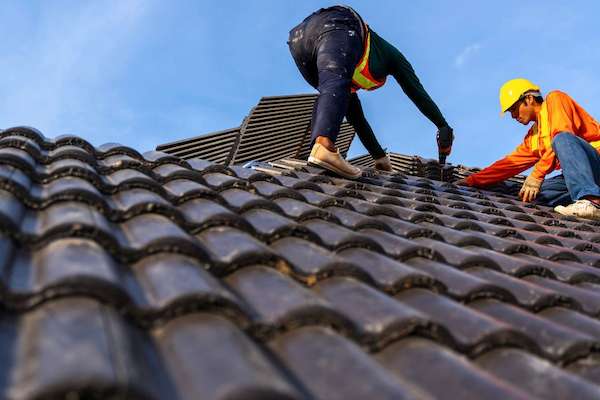
Concrete tiles offer a wide range of color options. Still, their vibrant hues can fade over time. This is due to exposure to sunlight and environmental factors. Periodic maintenance can be necessary to preserve the color and appearance of concrete tiles. For example, sealing or coating.
Factors Influencing Decision
Let’s learn the factors influencing the decision to choose one of the tiles now. These include budget constraints and the architectural style of the home. These also include local building codes and regulations. You also must consider personal preferences and aesthetic tastes.
Let’s learn more before ending our discussion.
Budget Constraints
Budget considerations are significant when deciding between clay and concrete roof tiles. Clay tiles can have a higher upfront cost. Still, their longevity and durability can result in long-term savings for homeowners. These homeowners are willing to invest in quality roofing materials.
Architectural Style Of Home
Your home’s architectural style must also influence your choice of roofing material. Clay tiles are well-suited to traditional and Mediterranean-style homes. Again, concrete tiles offer versatility. They can complement a wide range of architectural designs.
Local Building Codes And Regulations
When selecting roofing materials, consider local building codes and regulations. Some areas can have restrictions or requirements regarding the use of certain roofing materials. So, homeowners must consult with local authorities or a professional roofing contractor for guidance.
Personal Preferences And Aesthetic Taste
Ultimately, personal preferences and aesthetic taste must guide the decision-making process. This is when choosing between clay and concrete roof tiles.
Suppose, you prefer the timeless elegance of clay tiles or the versatility of concrete tiles. Then, select a roofing material that reflects your style and preferences. This is the key to achieving a beautiful and functional roof.
FAQs
1. What Are The Main Differences Between Clay And Concrete Roof Tiles?
Both clay and concrete roof tiles are durable. Still, clay tiles tend to have better longevity and aesthetic appeal. They are also more resistant to color fading and fire. Again, concrete tiles are usually more affordable. They are also easier to install. These are the main differences.
2. Which Is More Durable, Clay Or Concrete Roof Tiles?
When it comes to durability, clay roof tiles are generally considered better than concrete roof tiles. Clay tiles can last up to 100 years or more, while concrete tiles typically last around 30-50 years. Clay tiles are also more resistant to harsh weather conditions and fading over time.
3. Are Clay Roof Tiles More Expensive Than Concrete Roof Tiles?
Yes. When considering cost, clay roof tiles are generally more expensive than concrete ones. Still, clay tiles are known for their durability, aesthetic appeal, and environmental benefits. All these make them a popular choice for homeowners looking for long-term value in their roofing material.
Conclusion
The choice between clay and concrete roof tiles involves weighing the advantages and disadvantages of each material. This is against your budget, architectural style, and personal preferences.
While clay tiles offer durability, longevity, and timeless appeal, concrete tiles provide affordability, versatility, and a wide range of design options.
Consider these factors carefully. Consult with roofing professionals. Thus, you can make an informed decision that meets your needs. That will also enhance the beauty and value of your home.


