Removing a chain link fence seems challenging, but it is a straightforward task with the right approach. Removing a chain link fence involves a few essential steps.
To remove the chain link fence, cut and remove the ties holding the fabric to the posts. Roll up the fence fabric for easy handling. Then, detach the rails, unbolt the line posts, and remove the terminal posts, often set in concrete.
After this, focus on ground cleanup, including removing post footings and filling holes. Safety gear like gloves and goggles is crucial throughout the process. In the following sections, we’ll delve deeper into each step of how to remove a chain link fence.
Gather Necessary Tools
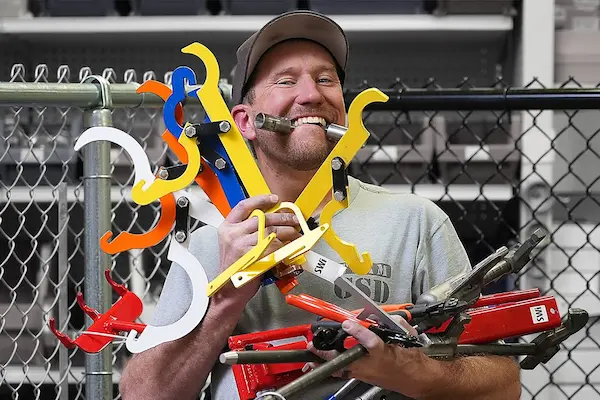
In this section, we will cover the necessary tools, safety precautions, and a step-by-step guide to ensure a smooth process.
Essential Equipment
Removing a chain link fence requires specific tools. You will need bolt cutters for cutting the chain links, a socket wrench set for loosening bolts and nuts, and a metal file to smooth any sharp edges.
A crowbar or a pair of pliers is handy for removing any stubborn parts. These tools make the removal process easier and more efficient.
Safety Gear
Safety is crucial when removing a chain link fence. Wear heavy-duty gloves to protect your hands from sharp edges. Safety goggles are necessary to prevent flying debris from injuring your eyes.
Also, consider wearing long sleeves and pants to protect your skin. When using power tools, ear protection is advisable to safeguard your hearing.
Preparation Checklist
Before you start removing the fence, it’s essential to prepare. First, check if you need any permits or need to inform local authorities about your project. Next, inspect the fence to identify hazards like rusted parts or weak posts.
Also, inform your neighbors about your plans, especially if the fence is on a shared boundary. This preparation helps avoid legal issues and ensures a safe working environment.
Unfastening The Fence Fabric

In this part, we will learn how to unfasten the fence fabric from a chain link fence. This includes finding and removing ties and rolling up the fabric neatly.
Locate The Ties
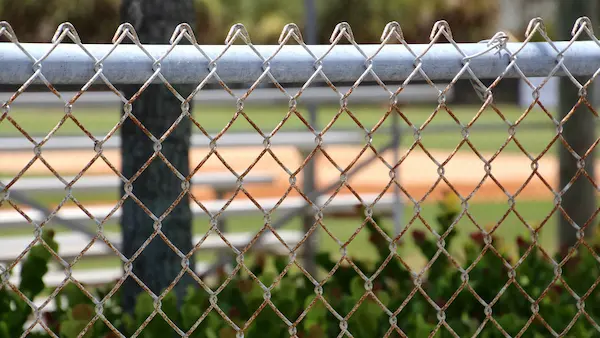
The first step in removing the fence fabric is to locate the ties that secure it to the posts. These ties are usually made of metal or wire wrapped around the fabric and the posts.
You will find them at regular intervals along the fence. Pay close attention to the fence’s top and bottom, as ties are often placed in both areas to keep the fabric secure.
Cut Or Remove Ties
Once you have located all the ties, use bolt or wire cutters to cut them. You can untwist them using pliers when the ties are not too tight or rusted.
This process will take some time, so be patient. Be careful when cutting or untwisting the ties to avoid damaging the fence fabric, especially if you plan to reuse it.
Collect all the cut ties and dispose of them properly to prevent accidents.
Roll Up Fence Fabric
After all the ties are removed, you can start rolling up the fence fabric. Begin at one end and roll it tightly as you move along.
Rolling the fabric makes it easier to handle and transport. When the fabric is large, you need someone to help you.
Keep the rolled fabric secure with rope or wire so it doesn’t unravel during transportation.
Removing Posts And Rails
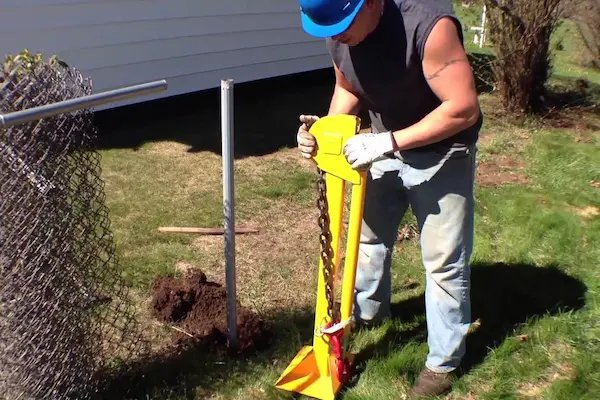
This section will guide you through removing the posts and rails of a chain link fence. We’ll cover how to detach rails, unbolt line posts, and remove terminal posts.
Detaching Rails
The first step in removing the fence’s framework is to detach the rails. Rails are the horizontal parts that connect the posts. Look for where the rails are attached to the posts. Usually, they are either bolted or clipped on.
Use a socket wrench or a screwdriver to loosen and remove any bolts or clips. Handle the rails carefully as you remove them to avoid bending or damaging them, especially if you plan to reuse them.
Unbolting Line Posts
After removing the rails, focus on the line posts. These posts run along the length of the fence, not at the corners or ends. Most line posts are secured in the ground with concrete.
You need to unbolt any attachments connecting them to the rails to remove them. Then, wiggle the posts gently to loosen them from the concrete. You must dig around the base to free them if they are too firm.
Always lift the posts straight up to avoid breaking them.
Removing Terminal Posts
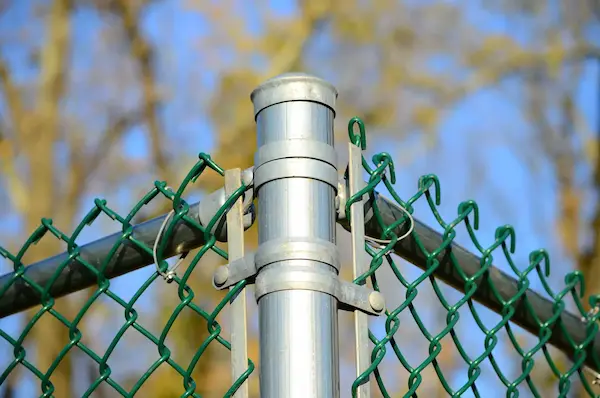
Terminal posts are the main posts at the corners and ends of the fence. They are usually set deeper and with more concrete than line posts. Start by removing any bolts or clamps attaching the rails to these posts.
Then, like line posts, wiggle the terminal posts to loosen them. Removing them requires more digging around the base as they are often more securely set.
Disposing Of Materials
Now that you have removed your chain link fence let’s discuss how to handle and dispose of the materials properly. This includes dealing with the removed fence, recycling options, and proper disposal methods.
Handling Removed Fence
Once you have removed your fence, you must safely handle the materials. This means being careful with sharp edges and rusted metal. Stack the fence fabric, posts, and rails neatly.
When transporting them, tie them securely in your vehicle to prevent any movement.
Recycling Options
Chain link fences are often made of metal, which is recyclable. Contact local recycling centers to see if they accept these materials. Sometimes, they even pick them up from your place.
Recycling is a great way to handle your old fence as it is environmentally friendly and even earns you some money.
Proper Disposal Methods
When recycling isn’t an option, you must dispose of your fence properly. Check with your local waste management services for guidelines on disposing of large metal items.
You should take them to a specific dump site or arrange a special pickup. Don’t just leave them by the curb; this is against local regulations and environmentally harmful.
Ground Cleanup And Restoration
After removing your chain link fence, cleaning up and restoring the ground is essential. This part covers removing post footings, filling holes, and restoring the landscape.
Removing Post Footings
Post footings are the concrete bases that hold your fence posts. To remove them, dig around each footing. Once you expose enough concrete, rock the footing back and forth to loosen it.
When they’re too heavy, you must break them into smaller pieces using a sledgehammer. Be careful during this process to avoid injury.
Filling Holes
After removing the footings, you will have holes in the ground. Fill these holes with soil. Tamp the soil down to make sure it’s packed tightly.
This step is essential to prevent any sinking or settling later on. It also helps to avoid accidents, like someone tripping in a hole.
Restoring Landscape
Finally, restore the landscape. This means planting grass, flowers, or other plants. Try to match the new area to the rest of your yard, especially if you had a garden or lawn before.
You should add some topsoil and seeds if you are planting grass. Water the area regularly to help the new plants grow. This step helps your yard look nice and healthy after the fence removal.
FAQs
What Tools Are Needed For Chain Link Fence Removal?
For chain link fence removal, gather these tools: bolt cutters for cutting links, wire cutters for ties, and a socket wrench for bolts. Use a shovel for digging and a sledgehammer for concrete.
Remember safety gear: gloves and goggles are crucial for protection during this task.
What Is The Best Way To Remove A Chain Link Fence?
The best way to remove a chain link fence involves a few key steps. First, cut and remove the ties holding the fabric to the posts. Next, roll up the fence fabric. Then, detach the rails and unbolt the line posts.
Remove terminal posts and clean up.
How To Remove A Chain Link Fence: Conclusion
Removing a chain link fence is a process that requires patience and the right tools.
You can efficiently dismantle and dispose of your fence by following the steps outlined.
Remember, safety is paramount whether you’re removing a chain link fence or metal fence post. So, always wear protective gear to ensure a smooth and injury-free project completion.