Sealing a new asphalt driveway is crucial for its longevity and appearance. Asphalt needs proper care to maintain its condition and prevent damage. Knowing when to seal your new asphalt driveway ensures it stays in top shape.
Seal your new asphalt driveway 90 days to six months after installation. This gives it enough time to cure and harden. During this period, the asphalt releases oils and oxidizes, preparing it for the sealer. Applying the sealer too early can lead to issues, so timing is key.
In this guide, we’ll delve deeper into the reasons behind this timing, the benefits of sealing, and the steps to do it right.
Signs That A New Asphalt Driveway Needs Sealing
In this piece, we’ll discuss four main signs showing it’s time to seal your driveway.
Fading Color
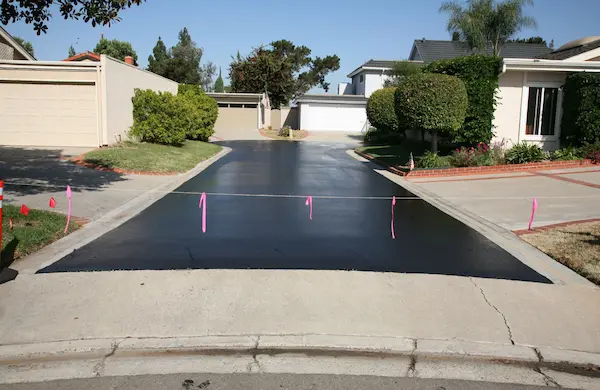
A new asphalt driveway usually looks black and shiny. But, the sun can make the color fade and turn it grey. This means the asphalt is getting dry and could break more easily.
Putting sealant on the driveway returns its dark color and protects it from the sun.
Cracking
Sometimes, you will see cracks in your driveway. Water can get into these cracks and cause more damage, especially when it freezes and then melts. This makes the cracks get bigger over time.
Putting sealant on the driveway fills in these cracks and keeps water out.
Rough Texture
When your driveway is new, it should feel smooth. When it starts to feel rough, this could mean the top layer is wearing away.
Sealing the driveway fills in any gaps and makes it smooth again. This also helps protect it from more damage.
Water Beading
When water forms beads on top of the driveway, this is good. It means the sealant is working. When water begins to soak into the asphalt, this indicates that the sealant is wearing off.
Putting more sealant on will create a protective layer and help the water bead up again.
Why Seal A New Asphalt Driveway?
In this piece, we explore why sealing a new asphalt driveway is essential.
Benefits Of Sealing A New Asphalt Driveway
- Protects from UV rays
- Makes the driveway water-resistant
- It helps in the easy cleaning of oil and stains
- It keeps the color rich and the driveway looking new
- Extends the driveway’s life
Risks Of Not Sealing A New Asphalt Driveway
- Faster fading due to sun exposure.
- More prone to cracks and holes
- Stains are more challenging to remove
- The driveway looks old and worn quickly
- This will lead to expensive repairs and higher maintenance costs
When To Seal A New Asphalt Driveway
We’ll talk about the optimal time for sealing, factors that influence this timing, and how the asphalt’s curing process impacts sealing.
The Optimal Time For Sealing A New Asphalt Driveway
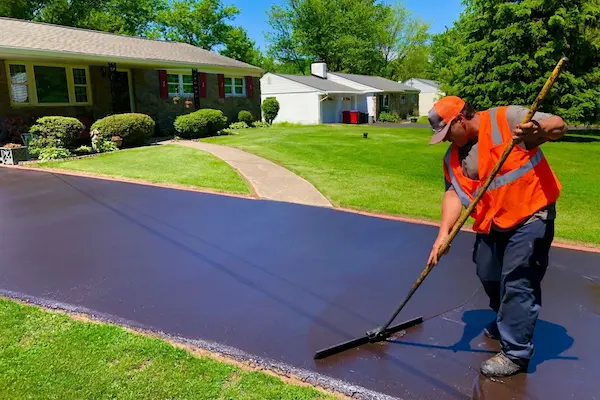
You should wait at least six months before sealing a new asphalt driveway. This gives the asphalt enough time to cure properly. The best time to seal is when the weather is warm and dry.
This helps the sealant to bond well with the asphalt. You also want to ensure the temperature stays above 50 degrees Fahrenheit for at least 24 hours after sealing.
Factors That Affect The Timing Of Sealing A New Asphalt Driveway
Several factors can influence when you should seal your driveway. The weather plays a big role. Sealing in rainy or cold conditions is not ideal. The age of the asphalt is also essential. New asphalt needs time to cure before sealing.
The amount of traffic on the driveway can affect the timing, too. More traffic means you need to seal sooner to protect the asphalt.
Explanation Of The Curing Process Of Asphalt And Its Impact On Sealing
When asphalt is laid, it needs time to cure and harden. This process can take up to six months. Sealing too early can trap oils in the asphalt, leading to a softer surface.
The asphalt degrades when you wait too long, making the sealant less effective. So, it’s essential to seal at the right time to protect and extend the life of your driveway.
Factors That Affect The Lifespan Of An Asphalt Driveway
We will explore various factors that influence how long your asphalt driveway lasts. Each plays a crucial role, from the quality of materials to weather conditions.
Quality Of Materials
The materials are vital. High-quality asphalt lasts longer and resists damage better. Properly mixed and applied asphalt ensures longevity, while poor quality can cause issues.
Installation Process
A correct installation is essential. The driveway needs a solid foundation and an even surface. Mistakes during installation can lead to a shorter lifespan.
Weather Conditions
Weather extremes affect asphalt driveways. Heat can soften them, while cold can cause cracks. Rain and snow also cause damage, especially if water freezes in cracks.
Maintenance And Repairs
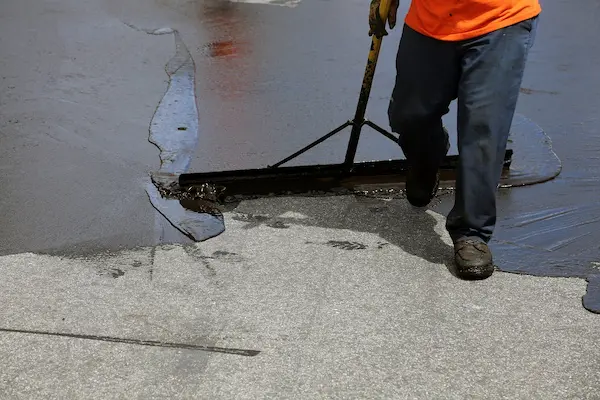
Regular maintenance, like sealing and prompt repairs, extends a driveway’s life. Neglecting minor issues can lead to more significant, more expensive problems.
Usage
Both heavy and infrequent use can damage a driveway. Balance is key; regular pressure compacts the asphalt, while excessive weight can cause wear and tear.
FAQs
When Should I Seal My New Asphalt Driveway?
It’s best to wait at least six months before sealing a new asphalt driveway. This allows the asphalt to cure so the sealant bonds properly. Wait until after the first winter, once any imperfections are visible.
How Often Should I Seal My New Asphalt Driveway?
For a new asphalt driveway, plan to seal it every 2 to 3 years after the initial sealing, which should be done a year after installation. Proper resealing frequency helps maximize the lifespan.
Can I Seal My New Asphalt Driveway Myself?
Yes, you can seal a new asphalt driveway yourself. Use the right sealer product designed for newer asphalt. Clean the surface thoroughly before applying the sealer. Use a brush to cut in the edges, then apply a sealer to the center using a squeegee.
What Type Of Sealant Should I Use On My New Asphalt Driveway?
It’s best to use an acrylic-based sealant for a new asphalt driveway. Acrylic sealers deeply penetrate and adhere better to newer asphalt. Look for an acrylic sealer formulated specifically for newer driveways less than five years old.
Conclusion
As we finish talking about when to seal a new asphalt driveway, remember that doing it at the right time is very important. Sealing your driveway helps it last longer and keeps it looking good.
But you must wait for the right moment, 90 days to six months after the driveway is put in. This waiting lets the driveway get ready for the seal and ensures it works well.