Setting up a fence seems straightforward, but you should pay attention to one key detail: chain link fence post spacing. It’s not just about lining up posts and connecting them with the chain link.
The distance between each post significantly affects how sturdy your fence will be. Think of it like the foundation of a house; the whole structure can suffer if it’s not right.
Whether marking your property boundary or keeping your pets safe, getting the spacing right matters!
Understanding Post Spacing
Definition And Purpose
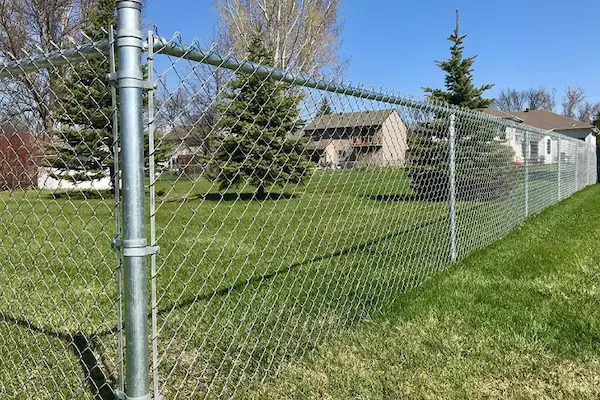
Post spacing refers to the distance between 2 fence posts. People set these distances to make fences stable. A well-spaced fence will stand firm against wind and other forces.
A fence will sag or fall over when posts are too far apart. But materials and money will go to waste when they’re too close.
Standard Measurements
Between 2 fence posts, a typical distance is 6 to 8 feet. This distance ensures a balance between material usage and fence strength.
However, always check the specific type of fence you’re installing. For fences like livestock ones, posts need closer to secure animals.
Fence Height Considerations
Fence height affects post spacing. Posts are more spaced out for fences under 4 feet. But for those over 6 feet, posts need to be closer.
Closer post spacing becomes necessary for taller fences since they face more wind pressure.
Local Building Codes
Always check local building codes before setting your posts. Some areas have specific rules about post distances or fence heights.
When you stick to these rules, you ensure your fence is safe and legal.
Impact On Material Usage
Post spacing directly impacts material usage. You will use more posts and cement when the posts are closer. But you will need more horizontal fencing material when they’re further apart.
It’s essential to plan and measure materials. This approach not only saves money but also guarantees a durable fence.
Factors Influencing Spacing
Soil Type And Conditions
The type of soil affects how you space fence posts. In soft soils, posts often need closer together for better support. Hard soils, on the other hand, can handle wider post spacing.
Continually assess the soil condition. Wet or unstable soil conditions will demand extra care. Posts need to be set deeper and possibly closer together in such soils.
Wind Load And Climate
Areas with high wind demands closer post spacing. The fence faces more pressure in these regions. The fence’s weight increases in areas with heavy snow or rainfall.
This extra weight means posts are closer to bearing the added load. So, in regions with extreme weather, proper spacing becomes vital.
Fence Tension And Strain
The strain on a fence affects post spacing. Tension is higher for fences like chain links or those that hold back animals. In these cases, closer post spacing will offer the necessary strength.
Always consider the tension a fence will undergo. Then, adjust the spacing accordingly.
Gate Locations
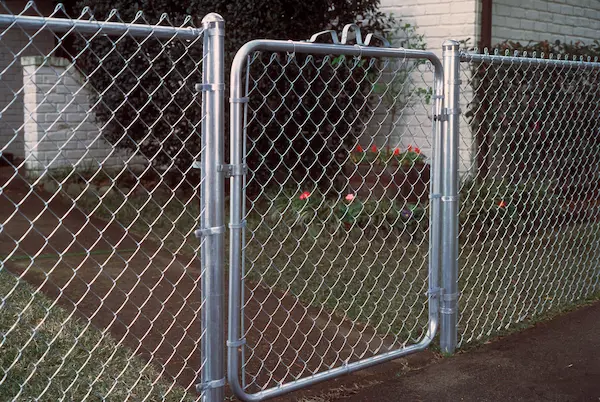
Where you place gates affects post spacing. Posts near gates often experience more stress. This is due to the weight and movement of the gate.
So, it’s wise to have closer post spacing around gate areas. This ensures the gate operates smoothly and the fence remains sturdy.
Fence Purpose (Security, Privacy)
Security fences need to be strong and demand closer post spacing. Privacy fences, on the other hand, focus more on blocking sight.
Their spacing is wider. Remember, a fence for keeping out intruders will need different considerations than just marking boundaries. Always align the spacing with the fence’s primary purpose.
Calculating Post Spacing
Formula And Measurements
To calculate post spacing, you first determine the total length of your fence in feet. Then, divide this length by the desired spacing distance.
For instance, divide the total length by 8 if you want a spacing of 8 feet. The result will be the number of spaces. Add one more to get the total number of posts.
The formula looks like this:
Number of Posts = (Total Length / Desired Spacing) + 1.
Online Calculators
Many online tools can help with post-spacing calculations. Simply input the total fence length and desired spacing. The calculator will then give the number of posts required.
Using an online tool saves time and reduces the risk of mistakes.
Example Calculations
Let’s say you have a fence that’s 100 feet long, and you want post spacing of 8 feet. Using the formula:
- Number of Posts = (100 / 8) + 1.
- This gives 12.5 + 1 = 13.5.
- So, you will need 14 posts, one at the beginning and one at the end.
Account For Gate Posts
Gates will have 2 additional posts: one on each side. So, when calculating, remember to add these 2 posts to your total count.
In our example, the total number of posts becomes 16 (14 + 2 for the gate) if you have a gate.
Adjustments For Corners
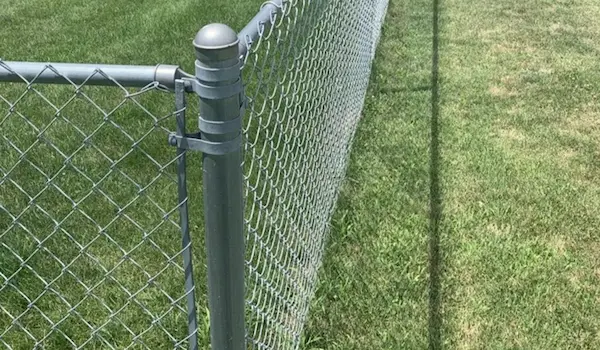
Corner posts are crucial and need to be counted separately. Add an extra post for each corner if your fence has corners.
When 2 corners are in our 100-foot fence example, the number of posts becomes 18 (16 + 2 for corners). This ensures stability and a proper fit for the entire fence.
Installation Guidelines
Marking Post Locations
Start by measuring out where each post will be. Using a long tape measure will ensure accuracy. At each determined mark, place a small stake or use spray paint.
This way, your spacing stays even, and the fence line remains straight.
Digging Post Holes
A depth of one-third of the post’s height is ideal when you dig holes. So, for a 6-foot post, the hole should be 2 feet deep. This depth gives the post good stability.
For precise and quicker digging, use a post-hole digger or an auger. Make the hole’s diameter 2 to 3 times the post’s width.
Setting Posts Securely
Once you’ve dug the hole, put the post inside. Fill the hole with a quick-setting concrete mix up to 3 to 4 inches from the top. Follow the manufacturer’s instructions when you water the mixture.
As the concrete sets, ensure the post stays straight. A securely set post will remain stable for many years.
Aligning Posts Vertically
Use a level tool to ensure the post is straight. Place it against the post after setting it in the concrete. Check the level on 2 sides to ensure the post stands vertically. Make any adjustments as needed.
Your fence will look professional when the posts are perfectly aligned.
Post Installation Tips
- Always check for underground utilities and obtain necessary permits before starting.
- Wait for at least 24 hours before you attach any fence panels or put weight on the concrete.
- Wear gloves and safety glasses for safety when working.
- When you need to check post alignment, get someone to view it from afar.
- Take your time during installation to achieve a durable, sturdy fence.
FAQs
1. How Much Gap Between Gate And Post Chain Link?
Typically, leave a 1 to 1.5-inch gap between a chain link gate and its post. This space ensures smooth operation and prevents rubbing.
2. Why Is Chain Link Fence Post Spacing Crucial?
Proper chain link fence post spacing guarantees stability, prevents sagging, and effectively ensures the fence withstands external pressures.
Conclusion
In wrapping up, chain link fence post spacing isn’t just a minor detail—it’s a cornerstone of building a robust and durable fence. The unseen hero ensures every stretch of the chain remains secure and taut.
The next time you see a sturdy chain link fence, remember its strength comes from proper post spacing. It’s the simple magic behind a job well done.
Investing time in getting this spacing right will reward you with a functional fence that stands the test of time.