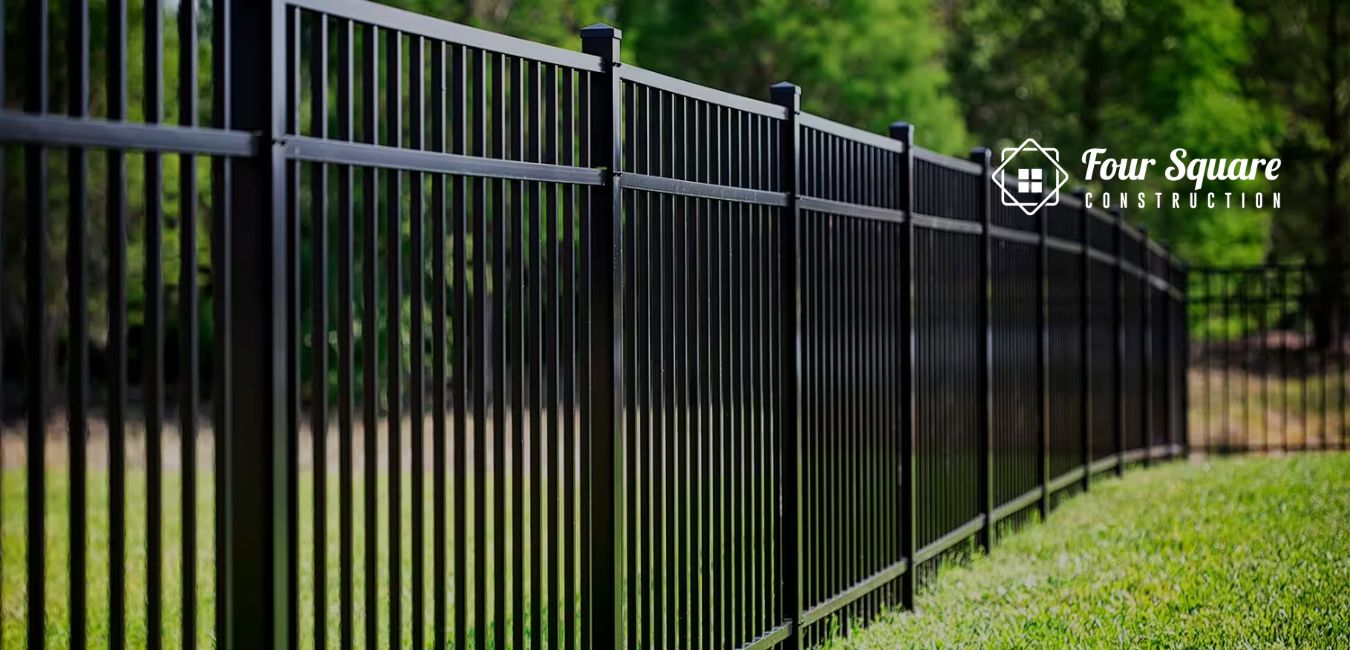
Installing a metal fence can be a rewarding DIY project. With the right tools and guidance, anyone can learn how to install a metal fence, even if you’re new to DIY projects.
Installing a metal fence involves several key steps: preparing the area, measuring for accuracy, digging post holes, setting the posts in concrete, and attaching the metal panels or pickets. It’s essential to ensure that the posts are level and evenly spaced for a professional-looking finish.
In the upcoming sections, we’ll dive deeper into each step of installing a metal fence.
KEY Takeaways
- Choosing Materials: Select durable metal and appropriate design to match your property’s style and functional needs.
- Gathering Tools: Essential tools include a post hole digger, level, measuring tape, and concrete mix for stability.
- Initial Steps: Begin by marking the fence line, clearing the area, and measuring for post placement accuracy.
Planning And Preparation
In the planning and preparation phase, we’ll cover how to choose the right fence, measure your space, and gather all necessary tools and materials for a successful metal fence installation.
Measure Property Perimeter
Before you start, measure your property. Use a long tape measure. Walk around your entire property. Write down how many feet or meters your fence will be. This will help you buy the right amount of materials. It also helps you see where your fence will go.
Check Local Regulations
Every town has rules. Before putting up your fence, talk to your local office or city hall. They can tell you about fence rules. For example, how tall can it be? How close to the road? This step keeps you out of trouble and saves time later.
Choose Fence Style
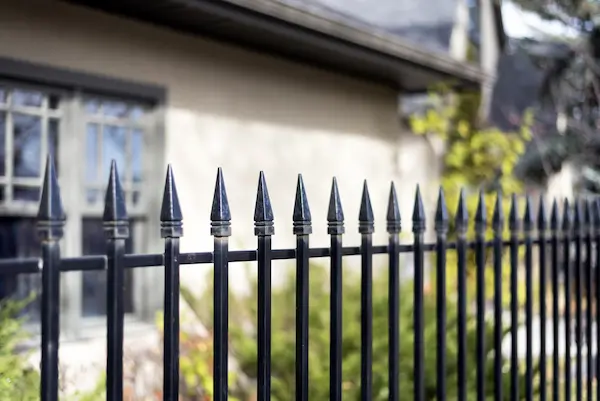
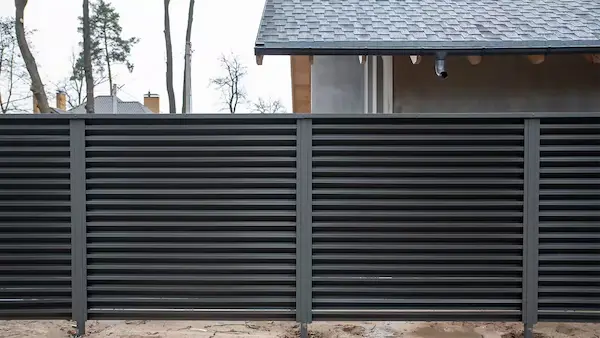
Now for the fun part! Pick a style you like. Metal fences come in many designs. Some are tall and plain. Others have fancy patterns. Think about what looks best for your home. Remember, a good fence adds beauty and safety to your place.
Calculate Materials Needed
After measuring, you need materials. How many fence panels do you need? How many posts? Make a list. This helps you not buy too much or too little. Visit a hardware store with your list. Ask for help if you’re unsure. Getting the right amount the first time saves money and trips.
Gather Tools
Fences need tools for setup. You will need things like a hammer, nails, and a shovel. Maybe even a level to make sure it’s straight. Look around your garage or shed. Borrow or buy them if you don’t have the tools Having all the tools ready makes the job smoother and faster.
Preparing The Ground

In this section, we’ll discuss how to ready the area for a metal fence. We’ll cover marking the line, clearing vegetation, leveling the ground, and preparing for installation.
Mark Fence Line
To begin, identify the exact path of your fence. Utilize string or chalk to draw a line along the ground. This step acts as a guide, clearly marking where your fence will be erected. Visualizing the fence line ensures accuracy in placement, which is essential for a well-aligned fence.
Clear Vegetation
Next, remove any vegetation that may obstruct the fenced area. This includes grass, weeds, or small bushes. Clearing the area is crucial for a smooth installation process, ensuring direct contact between the ground and the fence. A debris-free zone simplifies the following steps and enhances the stability of your fence.
Level The Ground
Examine the ground along your marked line. If it’s uneven, use a shovel to level it. Fill in any holes and flatten elevated areas. A level ground is pivotal for a straight and sturdy fence. Ensuring the terrain is flat not only enhances the fence’s appearance but also its structural integrity.
Digging Fence Post Holes
Once the ground is prepared, it’s time to dig holes for the fence posts. These holes are fundamental in supporting your fence. Dig them deep and wide enough to accommodate the posts, using a shovel or a post-hole digger. Properly sized and spaced holes are key for a durable fence.
Install Post Anchors
Finally, install the post anchors in the prepared holes. These metal components anchor the fence posts, providing stability and preventing movement. Carefully position and secure the anchors to ensure your fence will be robust and resilient. This step is vital for the long-term durability of your metal fence.
Assembling The Fence
In this part, we’ll go through the steps of building your metal fence. We’ll attach rails to posts, add fence panels, secure them, install the gate frame, and attach the gate.
Attach Rails To Posts
The first step in erecting your fence is attaching the rails to the posts. Rails are the horizontal parts that bridge the space between posts. To attach them, use screws or nails, ensuring they are aligned horizontally. This straight alignment is crucial for the overall neat appearance and structural integrity of your fence.
Add Fence Panels
Once the rails are in place, proceed to install the fence panels. These panels are the core components of your fence, providing both privacy and aesthetic appeal. Slide or fit them into the space between the posts, resting them on the rails. Proper installation of panels is essential for a consistent and stylish look.
Secure Panels To Rails
After positioning the panels, secure them firmly to the rails. Use screws or nails for this purpose. This step prevents any movement of the panels, ensuring they remain in place. Once secured, take a moment to admire your work – your fence is starting to take shape!
Install Gate Frame
Now, focus on the gate. Begin by installing the gate frame, which is akin to a door frame but designed for your fence. It serves as the supporting structure for the gate. Choose the appropriate location for entry and exit, and then securely install the frame to ensure durability and strength.
Attach Gate To Hinges
Finally, attach the gate to the hinges. These hinges are responsible for the gate’s movement, allowing it to swing open and close. Ensure that the gate is properly aligned with the hinges for smooth operation. This final step completes your fence installation, offering a secure, functional, and attractive addition to your yard.
Finishing Touches
In this section, we’ll focus on the final steps: securing post caps, painting the fence, checking its stability, testing the gate, and beautifying the area with landscaping.

Secure Post Caps
Begin by enhancing the appearance and durability of your fence posts with post caps. These caps, acting like protective hats, sit atop each post. Affix them either by pushing down or using nails. Not only do they enhance the aesthetic appeal of your fence, but they also protect the post tops from weather elements.
Paint Or Finish Fence
To add a touch of elegance and extra protection to your fence, consider painting or applying a finish. Select a color that complements your outdoor space, or opt for a finish that accentuates the metal’s natural beauty. This step is crucial for both the aesthetic and the longevity of the fence, as it provides a shield against the elements.
Inspect For Stability
Conduct a thorough inspection of your fence. Gently push against it to test its stability. If any part feels unstable or wobbly, make the necessary adjustments. A stable fence ensures safety and longevity. After making sure everything is secure, step back to appreciate your handiwork.
Check Gate Functionality
Next, evaluate the gate. Open and close it several times to ensure smooth movement. It should neither stick nor require excessive force. If your gate includes a lock, test its locking and unlocking mechanism. A functional gate enhances the practicality and accessibility of your fenced area.
Landscaping Around Fence
Finally, integrate your fence into the surrounding landscape. Consider planting flowers, shrubs, or other greenery around the fence. This not only beautifies the area but also helps the fence blend seamlessly with your yard. Ensure proper planting and regular watering to encourage growth, adding a natural flourish to your newly installed fence.
FAQs
1. How Do I Measure My Property For A Metal Fence?
To measure your property for a metal fence, use a long measuring tape to outline where you plan to install the fence. Record the length and width, including corners and curves. Mark these measurements on paper or use a digital mapping tool for accuracy.
2. What Types Of Metal Fences Are Suitable For DIY Installation?
For DIY installation, aluminum and steel fences are popular choices. Aluminum is lightweight, easy to handle, and resistant to corrosion, making it ideal for beginners. Steel offers more strength and durability, suitable for those with some DIY experience. Both types come in various styles, fitting different aesthetic preferences.
3. Are There Any Height Restrictions For Installing A Metal Fence?
Yes, height restrictions for metal fences often exist and vary based on local zoning laws and homeowners’ association regulations. Generally, residential fences range from 3 to 6 feet, but it’s essential to check with your local building authorities and HOA, if applicable, to ensure compliance with specific regulations.
How To Install A Metal Fence: Conclusion
Installing a metal fence can seem challenging, but with the right guidance, it’s a rewarding project.
Remember, it’s not just about setting boundaries but also about adding value and charm to your home. Now that you know how to install a metal fence, you’re equipped with the skills to transform your space.
Take a moment to admire your handiwork and relish the security and elegance you’ve added. Here’s to your next DIY adventure!


