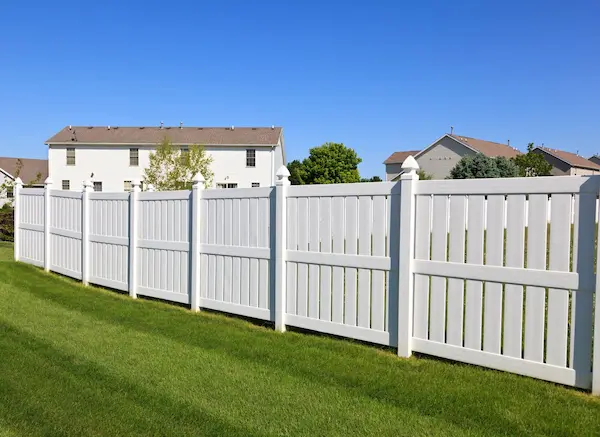
Vinyl fencing has become a popular choice for homeowners seeking a durable and attractive solution for their properties. Known for its resilience against weather and low maintenance requirements, vinyl fencing stands out as a smart investment for long-term outdoor decoration and privacy.
Vinyl fences last 20-30 years thanks to their resistance to rot, insects, and decay. Superior to wood or metal, they need minimal upkeep, as they don’t require painting or staining, ensuring longevity with less maintenance. Factors like material quality and installation also influence.
In this article, we delve deeper into the factors that contribute to the durability of vinyl fences
KEY Takeaways
- Durability: A vinyl fence typically lasts 20 to 30 years, depending on environmental conditions and maintenance.
- Maintenance Needs: Regular cleaning helps maintain its appearance and longevity, but it requires less upkeep than wood or metal fences.
- Environmental Impact: Extreme weather can affect its lifespan, but vinyl is generally resistant to moisture, decay, and insect damage.
Factors Affecting Lifespan
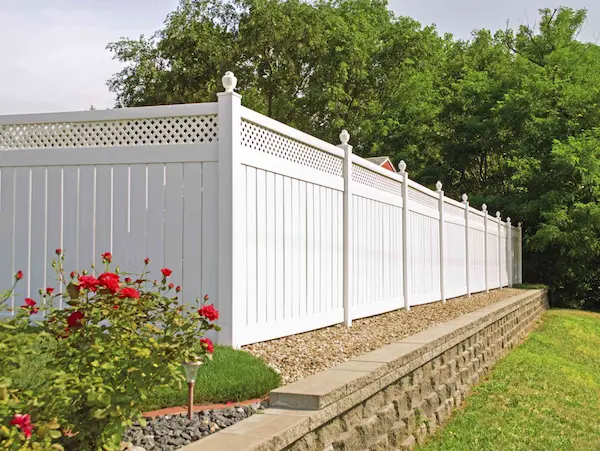
The lifespan of your fence highly depends on the quality of the vinyl material used. High-quality vinyl is known to be durable and withstand harsh conditions. Therefore, choosing top-notch vinyl material is a must if you want your fence to last.
Quality of the Vinyl Material
The longevity of a vinyl fence is significantly influenced by the quality of the vinyl material used. High-quality vinyl is renowned for its durability and ability to withstand harsh environmental conditions. Therefore, investing in premium vinyl is essential for ensuring your fence’s longevity. Top-tier vinyl not only resists wear and tear but also maintains its appearance over the years, making it a wise long-term investment for any homeowner.
Installation Technique and Expertise
The way your vinyl fence is installed plays a pivotal role in its durability. Proper installation techniques and the expertise of the installer are crucial. A fence installed by a professional will not only look better but will also be more resilient to various stresses. Experienced installers use techniques that ensure the fence is anchored securely and can withstand environmental factors, thus extending its lifespan.
Climate and Weather Conditions
The local climate and weather conditions are key factors that affect the lifespan of a vinyl fence. While vinyl is resistant to many weather conditions, extreme climates like intense sunlight, heavy rainfall, or freezing temperatures can still cause wear and tear over time. However, it’s important to note that vinyl fences are generally better equipped to handle these conditions compared to other fencing materials, making them a suitable choice for a wide range of climates.
Maintenance and Care Practices
Regular maintenance and care are essential for prolonging the life of your vinyl fence. Simple practices like regular cleaning, checking for damages, and making timely repairs can significantly extend the fence’s lifespan. Neglecting maintenance can lead to issues that might shorten the fence’s life, so it’s important to stay vigilant and care for your fence consistently.
Exposure to UV Rays and Environmental Elements
Continuous exposure to UV rays and other environmental elements such as wind, rain, and dust can gradually impact the condition of a vinyl fence. These elements can cause the material to weaken or fade over time. However, high-quality vinyl is typically treated to be UV resistant, which helps in maintaining the fence’s strength and color, thereby extending its lifespan even under constant exposure to harsh environmental elements.
Typical Lifespan Of Vinyl Fences
In this section, we’ll explore how long vinyl fences typically last. We’ll discuss factors like material quality and maintenance, which can greatly affect their durability and longevity.
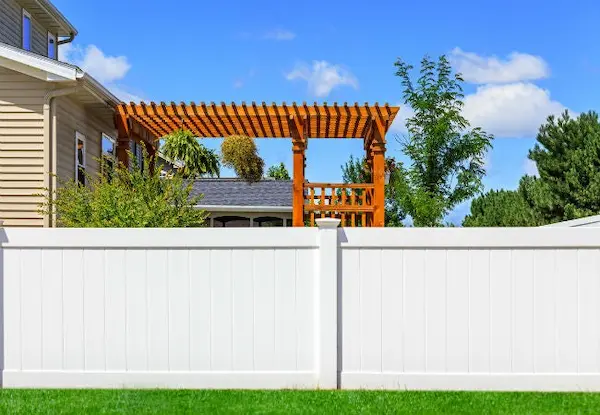
High-Quality Vinyl: 20-30 Years
High-quality vinyl fencing stands out for its exceptional durability and longevity. Capable of lasting an impressive 20 to 30 years, these fences offer a long-term solution for property boundaries. This duration is significant, considering the various environmental challenges a fence faces.
High-quality vinyl is engineered to resist fading, cracking, and wear, making it an ideal choice for those seeking a fence that combines both aesthetic appeal and enduring strength.
Average Lifespan: 15-20 Years
The average lifespan of a standard vinyl fence ranges from 15 to 20 years. This duration, while shorter than that of the highest-quality vinyl, still represents a considerable period of effective service. It means that, for nearly two decades, homeowners can rely on their fence to provide security and privacy with minimal maintenance. It’s a testament to the inherent durability of vinyl as a fencing material, even at more standard levels of quality.
Signs of Deterioration or Aging
Over time, even the sturdiest vinyl fences will begin to show signs of aging and deterioration. Common indicators include fading of color and the appearance of small cracks or brittleness. These signs are the fence’s response to prolonged exposure to elements such as UV rays, changing weather conditions, and natural wear and tear.
Fading color can diminish the aesthetic appeal of the fence, while cracks might compromise its structural integrity. Regular inspection can help identify these issues early, allowing for timely maintenance or replacement decisions.
Extending The Lifespan
In this section, we will discuss how to extend the lifespan of your vinyl fence. Learn about regular maintenance, quick repairs, UV protection, and choosing quality materials for long-lasting durability.
Regular Cleaning and Maintenance
Consistent cleaning and maintenance are essential for extending the lifespan of a vinyl fence. Dirt, grime, and other residues can accumulate over time, potentially causing damage. By regularly cleaning your fence, you can prevent this buildup and ensure the vinyl remains in optimal condition.
This not only enhances the appearance of your home but also contributes to the fence’s longevity. Simple cleaning routines can significantly reduce the risk of long-term damage, making them a crucial aspect of fence care.
Repairing Minor Damages Promptly
Addressing minor damages promptly is crucial in maintaining the integrity of a vinyl fence. Over time, fences may experience small issues such as loose panels or slight cracks. Attending to these problems immediately can prevent them from escalating into major concerns.
Delayed repairs can lead to more extensive damage, potentially compromising the fence’s structure and appearance. Quick and effective fixes reinforce the fence’s durability, ensuring it remains robust and functional for many years.
Protecting Against UV Rays
Protection against UV rays is vital for preserving the color and condition of a vinyl fence. Prolonged exposure to sunlight can lead to fading and weakening of the material. Fortunately, there are products available that are specifically designed to provide UV protection for vinyl fences.
Applying these products can significantly reduce the impact of sun damage, helping the fence retain its original color and structural integrity for a longer period. This preventative measure is a smart way to enhance the fence’s resilience against one of nature’s most persistent elements.
Avoiding Excessive Weight or Pressure
Ensuring that your vinyl fence is not subjected to excessive weight or pressure is important for its maintenance. Heavy objects leaning against or hanging from the fence can cause deformation or structural damage. It’s advisable to keep heavy items or equipment away from the fence.
By preventing undue stress, you can help maintain the fence’s shape and functionality. This practice is particularly important in areas where the fence might be susceptible to impact or heavy loads.
Upgrading to Higher-Quality Vinyl Materials
Investing in higher-quality vinyl materials can significantly increase the lifespan of your fence. Superior vinyl is designed to withstand various environmental challenges, including extreme weather, UV exposure, and physical wear. Although the initial cost may be higher, the long-term benefits are substantial.
High-quality vinyl tends to require less maintenance, resists color fading and cracking, and offers a more robust defense against the elements. Upgrading to a better quality vinyl is a wise decision for those seeking a fence that combines aesthetic appeal with enduring resilience.
Replacement Considerations
In this section, we’ll delve into considerations for replacing a vinyl fence. We’ll discuss recognizing replacement signs, budgeting, deciding between repair or replacement, and exploring alternative fencing options.
Signs That A Replacement Is Needed
Recognizing when your fence requires a replacement is crucial. Key indicators include significant cracks, a leaning or unstable structure, or extensive color fading. These signs suggest that your fence has reached the end of its useful life. Big cracks can compromise the structural integrity, while a leaning fence poses safety risks.
Extensive fading affects the aesthetic appeal of your property. When these signs become evident, it’s time to consider replacing your fence to ensure safety, functionality, and visual appeal.
Budgeting for Fence Replacement
Budgeting for a fence replacement is an important aspect of home maintenance. Understanding the typical lifespan of a vinyl fence can help you anticipate when a replacement might be needed. Planning your budget in advance allows for a more manageable financial situation when the time for replacement comes.
Setting aside funds over time, perhaps in a savings plan specifically for home improvements, can alleviate the financial burden when you eventually need to replace your fence.
Choosing Between Repair and Replacement
Deciding whether to repair or replace your fence can be a challenging decision. Evaluate the cost-effectiveness of repairs versus replacement. If repairs are frequent and costly, and the fence is nearing the end of its typical lifespan, replacement might be a more practical option.
However, if the fence is relatively new and the damage is minor, repairs could be sufficient. Assess the current condition of the fence and how much longer it can last with repairs to make an informed decision.
Exploring Other Fencing Options
When considering replacing your old vinyl fence, exploring other fencing materials can be beneficial. Each type of fencing, from wood to metal, offers unique advantages in terms of durability, maintenance, aesthetic appeal, and cost. Researching different options allows you to compare and choose the best material that suits your specific needs and complements your home’s style.
Consider factors like the local climate, your property’s landscape, and personal preferences in style and maintenance requirements when exploring these options.
FAQs
1. What Lasts Longer Wood Or Vinyl Fencing?
Vinyl fencing typically lasts longer than wood fencing. While wood can last around 15-20 years with proper maintenance, vinyl often endures for 20-30 years with minimal upkeep. Vinyl’s resilience against rot, pests, and weather-related damage gives it a longevity edge over wood.
2. What Factors Can Affect The Lifespan Of A Vinyl Fence?
The durability of a vinyl fence is impacted by several key factors. These include the quality of the vinyl used, the expertise of the installation, local weather and climate conditions, regular maintenance practices, and exposure to UV rays. Each of these elements plays a crucial role.
3. How Can The Lifespan Of A Vinyl Fence Be Extended?
Regular cleaning and maintenance are crucial to extend the lifespan of a vinyl fence. Promptly repairing any minor damages helps prevent larger issues. Protecting the fence from UV rays is important. Additionally, opting for higher-quality vinyl materials can significantly increase its durability.
How Long Does A Vinyl Fence Last: Conclusion
In conclusion, how long a vinyl fence lasts can be different for everyone. Many things about the vinyl fence like the quality it has, the weather it faces, and how well it’s cared for, can change this. But usually, a vinyl fence can last for 20 to 30 years!
That’s a lot of years for a fence to protect your home. And the best part? You can make your fence last even longer by taking good care of it. So why wait?
Start today, and your vinyl fence can stand strong for years to come. Remember, a happy fence means a happy home!