Sealing a wood fence is a crucial step in preserving its beauty and durability. Understanding the right way to seal a wood fence can extend its lifespan and maintain its appearance for years to come. This process not only enhances the aesthetic appeal of your fence but also protects it from various environmental factors.
To seal a wood fence effectively, start by choosing the right sealant for your specific fence type. Prepare the surface by cleaning and repairing any damages. Apply the sealant evenly using a brush, roller, or sprayer, ensuring full coverage. Allow it to dry completely,
In this article, we will dive deeper into each step of sealing a wood fence.
KEY Takeaways
- Selecting Sealant: Choose a sealant suitable for your fence’s wood type and environmental exposure to ensure optimal protection and longevity.
- Surface Preparation: Clean and repair the fence thoroughly before sealing to ensure the sealant adheres properly and lasts longer.
- Application Techniques: Apply sealant evenly with appropriate tools, and consider a second coat for enhanced durability and appearance.
Assessing and Preparing the Fence
It’s time to roll up our sleeves! The next step is about giving your fence a good old check-up and some pampering. Let’s dive into the details!
Inspecting for Damage and Cleaning the Fence
Our fences, like us, can sometimes have bad days. Before we seal it, we need to inspect it carefully. This means hunting for any signs of wear and tear, like loose nails, splintered wood, or rotten boards. We’ve got to fix these issues before they become bigger problems.
Next comes the shower time for our fence. We don’t want any dirt or mildew to play spoilsport when we seal it. So, out come the scrub brush and soapy water, and we start scrubbing! A clean fence will absorb the sealant better, giving it a longer and healthier life.
Allowing the Fence to Dry Completely
After the wash, it’s sunbathing time for our fence. We need to let it dry out completely before we apply the sealant. Trying to rush this step could trap moisture, leading to rot and decay over time. We surely don’t want that!
So let’s be patient and allow our fence to enjoy some sunshine. A few days of drying is all it needs to be ready for the final transformation!
Choosing the Right Sealer
Let’s switch gears and focus on the main star of the show – the sealer! This part of the “how to seal a wood fence” journey involves exploring the world of sealers and picking the right one for your fence.
Understanding Different Types of Sealers
Think of sealers as a magic potion for your fence. They come in different types, each with its own magic powers. There are oil-based sealers that penetrate deeply into the wood, giving it powerful protection from within.
Then, there are water-based sealers that create a protective layer on the surface, keeping away dirt and grime. And let’s not forget the tinted sealers that combine protection with a splash of color! Understanding these types will make your fence-sealing journey smoother.
Selecting the Appropriate Sealer for the Fence
After knowing about the different sealers, it’s time to choose your fence’s perfect match. Think about what your fence needs. Does it need deep nourishment? Go for an oil-based sealer.
Do you want an easy-to-clean surface? A water-based sealer might be your pick. Or perhaps you want to add a touch of color? Tinted sealers to the rescue!
Remember, choosing the right sealer is the heart of learning to seal a wood fence. The perfect sealer will not just make your fence last longer, but also make it a sight for sore eyes!
Applying the Sealer
Now, it’s showtime! After all that preparation, we’re finally ready to apply the sealer. This stage involves gathering our tools and materials and applying the sealer evenly.
Gathering Necessary Tools and Materials
Just like a chef preparing to cook a gourmet meal, we need to gather our tools and materials. These might include a good-quality brush, a paint roller for larger areas, or a garden sprayer for the quickest coverage.
Don’t forget to keep your sealer at hand! Ensuring we have everything ready will make the application process smoother and more efficient.
Applying the Sealer Evenly
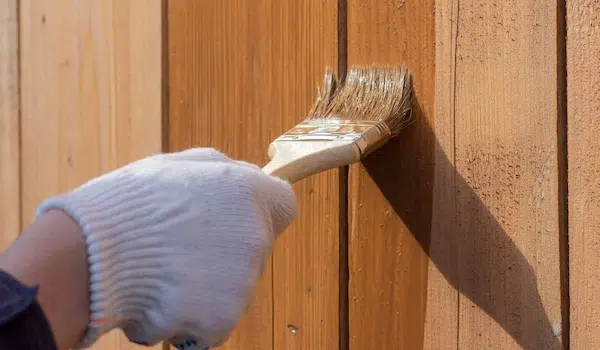
Applying the sealer is like painting a masterpiece – it demands patience and precision. Start at one end of the fence and work your way to the other, ensuring the sealer is applied evenly.
If you’re using a brush, remember to follow the direction of the wood grain for the best results. With each stroke, you’re not only sealing the wood but also sealing in its beauty and longevity. In no time, you’ll step back and marvel at a fence that’s not just protected but also looks fabulous!
Drying and Curing
We’re in the final stretch of our journey of sealing a wood fence! This step ensures that the sealer sets properly, providing maximum protection for your fence.
Following the Manufacturer’s Instructions for Drying Time
Just like following a recipe, we need to follow the instructions provided by the sealer manufacturer for the drying time. Different sealers have different drying times, and it’s essential to give the sealer enough time to do its magic.
Patience is key here! Rushing the process might lead to an uneven finish or even compromise the effectiveness of the sealer. So, check the instructions, set a timer, and let time work its wonders.
Ensuring Proper Ventilation During the Process
During the drying and curing process, proper ventilation is essential. It allows air to circulate and helps the sealer dry evenly. Make sure windows and doors are open, or use fans to facilitate air movement.
Adequate ventilation not only aids in the drying process but also helps dissipate any strong odors associated with some sealers. It’s important to create an environment that allows your fence to breathe and cure effectively.
By following these 2 steps, you’re giving your fence the best chance to thrive and stand strong against the test of time. Soon, you’ll be able to enjoy the satisfaction of a beautifully sealed wood fence that enhances the charm and durability of your outdoor space.
Repeat Coating and Maintenance
We need to talk about repeat coating and ongoing maintenance to ensure long-lasting protection and beauty. Let’s dive into the final steps.
Assessing the Need for Additional Coats
Over time, the elements can wear down the protective layer of the sealer. To keep your fence in top shape, it’s important to assess whether it needs an additional coat of sealer. A simple test can help you determine this.
Sprinkle some water on the fence’s surface. If the water beads up, your fence is still well-protected. However, if it gets absorbed, it’s time for a new coat. Regularly evaluating the condition of your fence will ensure it receives the care it deserves.
Regularly Inspecting and Maintaining the Sealed Fence
Once your fence is sealed, it’s vital to make regular inspections and perform necessary maintenance. Keep an eye out for any signs of damage, such as cracks, peeling, or discoloration. Promptly address these issues by repairing or resealing affected areas.
Additionally, keep the surrounding area clean and free from debris that could trap moisture and lead to decay. With proper maintenance, your fence will continue to showcase its beauty and strength for years to come.
Tips for Successful Sealing
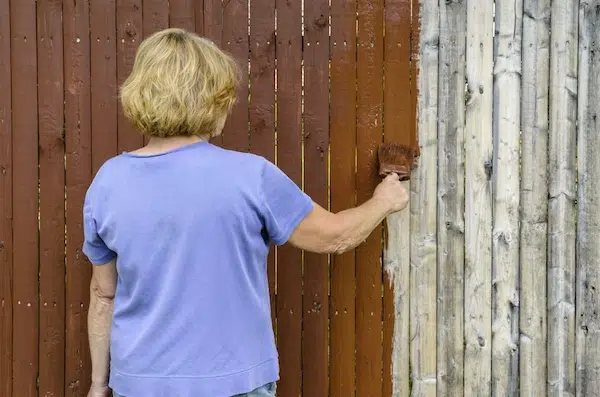
These tips will help you navigate potential challenges and ensure a seamless and effective outcome. Let’s explore them together!
Working in Favorable Weather Conditions
Timing is everything when it comes to sealing a wood fence. It’s crucial to choose favorable weather conditions for the task. Ideally, aim for a day when the temperature is between 50°F and 90°F (10°C to 32°C), and the humidity is relatively low.
Avoid sealing the fence during extreme heat or cold, as it can affect the drying and curing process. Working in suitable weather will allow the sealer to set properly, maximizing its protective properties.
Protecting Surrounding Plants and Surfaces
While sealing your fence, it’s important to be mindful of the surrounding plants and surfaces. The sealer may contain chemicals that could harm vegetation or stain nearby surfaces.
Take precautions by covering plants, flower beds, or any delicate surfaces with plastic sheeting or drop cloths. This simple step will help safeguard your plants and maintain the cleanliness of adjacent areas.
By working in favorable weather conditions and protecting the surrounding plants and surfaces, you’ll ensure a smooth and successful sealing process. These tips will help you achieve optimal results while minimizing any potential complications or unintended consequences.
Benefits of Sealing a Wood Fence
As we conclude our journey about sealing a wood fence, let’s take a moment to appreciate the advantages that await you.
Protection Against Moisture, Rot, and UV Damage
One of the primary benefits of sealing your wood fence is the protection it provides. The sealer forms a barrier that shields the wood from moisture, preventing it from being absorbed and leading to rot and decay.
Additionally, the sealer acts as a shield against the harmful effects of UV rays, minimizing fading and discoloration. By sealing your fence, you create a robust defense system that preserves the integrity and strength of the wood, even in challenging weather conditions.
Enhanced Aesthetics and Longevity

A sealed wood fence is a thing of beauty. The sealer enhances the natural colors and grains of the wood, revitalizing its appearance and giving it a fresh, vibrant look. With regular sealing and maintenance, your fence will maintain its aesthetics for years to come, becoming a standout feature in your outdoor space.
Moreover, by protecting the wood from moisture and other damaging factors, sealing contributes to the longevity of your fence, ensuring it remains a durable and long-lasting structure.
Sealing a wood fence not only provides protection against moisture, rot, and UV damage but also enhances its aesthetics and extends its lifespan.
FAQs
1. Does a Wood Fence Need to be Sealed?
Yes, sealing a wood fence is highly recommended. Wood is susceptible to moisture, rot, and UV damage over time. Sealing creates a protective barrier that helps prevent water absorption, decay, and fading. It extends the life of the fence and keeps it looking beautiful.
2. What is the Best Sealer for Wood Fences?
Common options include oil-based sealers, water-based sealers, and tinted sealers. It’s recommended to choose a high-quality sealer specifically formulated for exterior wood applications. It’s also beneficial to consider weather conditions and the type of wood used in your fence when selecting a sealer.
3. How do you Waterproof a Wooden Fence?
To waterproof a wooden fence, first clean and repair the fence surface. Then, apply a waterproof sealant or stain, ensuring even coverage with a brush, roller, or sprayer. Allow the first coat to dry completely before applying a second coat if needed, for effective and long-lasting waterproofing.
Conclusion
Congratulations! You’ve reached the end of our guide on sealing your wooden fence. By following these simple steps, you’re well on your way to a protected and long-lasting wood fence that will withstand the test of time.
Remember, assess the condition, clean thoroughly, choose a suitable sealer, apply evenly, and allow for proper drying. Don’t forget to maintain your fence by inspecting it regularly and reapplying the sealer when needed.