Types of wood fences not only define the character of our homes but also keep us secure and private. From traditional picket fences to modern privacy designs, the variety of wood fences is vast and versatile, catering to every taste and need.
Types of wood fences vary in style, functionality, and cost. Picket fences, known for their classic look, are great for adding charm. Privacy fences, typically taller, provide seclusion and noise reduction. Split rail fences, with their rustic appeal, suit larger, rural properties.
Each type serves a unique purpose, offering different levels of privacy, security, and aesthetic appeal. In the following sections, we’ll dive deeper into the world of wood fences.
KEY Takeaways
- Diverse Styles: Wood fences come in multiple styles like picket, privacy, and split rail, each offering unique benefits.
- Functionality and Purpose: Different wood fences serve various purposes, from providing privacy to enhancing curb appeal and property value.
- Suitability for Properties: Each fence type suits different property types, from urban homes to rural settings, reflecting personal taste.
Traditional Wood Fence Styles
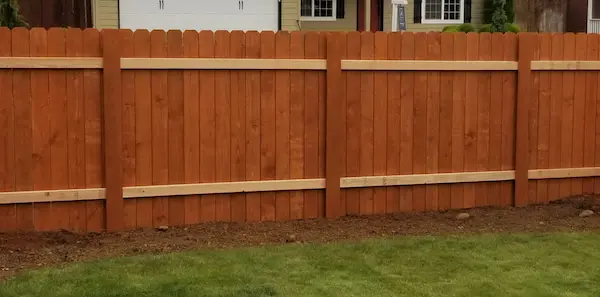
In this section, we will explore the classic and iconic styles of wood fences that have graced residential properties for decades.
Picket Fences
Picket fences are renowned for their quaint and welcoming appearance. These fences are characterized by evenly spaced vertical boards, called pickets, that are attached to horizontal rails. Picket fences are ideal for
defining boundaries while still maintaining an open and inviting feel.
Classic White Picket Fences
The classic white picket fence is an enduring symbol of suburban living. With its pristine white color and evenly spaced pickets, this style exudes a sense of charm and elegance. It complements various architectural styles and adds a touch of nostalgia to any property.
Decorative Variations
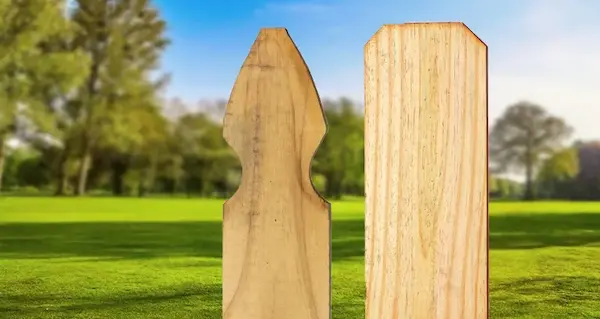
While the classic white picket fence remains a popular choice, there are also decorative variations available. These variations may feature scalloped or arched picket tops, decorative posts, or intricate designs.
These decorative touches add personality and uniqueness to the fence, making it a standout feature in the landscape.
Whether you prefer the timeless simplicity of a classic white picket fence or desire a more ornate design, these traditional wood fence styles offer a touch of nostalgia and a warm welcome to your property.
Split Rail Fences
Split rail fences are characterized by their simple and open construction. They are made up of horizontal rails that are inserted into vertical posts without the use of nails or other fasteners.
This results in a fence that has a distinct, rustic look and blends seamlessly with the surrounding environment.
Rustic And Charming
Split rail fences evoke a sense of nostalgia and rural charm. They are often seen in countryside settings, farms, and ranches but can also be used to create a rustic atmosphere in suburban or urban areas.
The natural look of the wood and the open spaces between the rails provide a sense of openness while still defining boundaries.
Configurations And Options
Split rail fences come in different configurations to suit various needs. The most common types are two-rail and three-rail fences, which refer to the number of horizontal rails used.
These fences can also be customized with additional features such as wire mesh to create a more secure enclosure for pets or livestock.
Privacy Wood Fence Styles
When it comes to creating privacy and seclusion in your outdoor space, wood fences offer a variety of options. Let’s explore two popular styles designed explicitly for privacy: solid board fences and shadow box fences.
Solid Board Fences
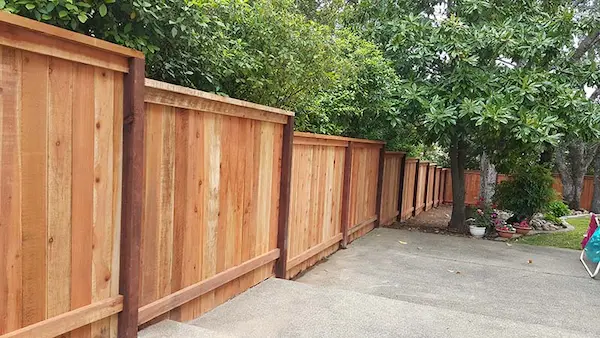
Solid board fences are known for their ability to create complete privacy. These fences consist of solid, closely spaced boards that leave no gaps between them. With no visibility through the fence, solid board fences offer a high level of privacy and security.
Complete Privacy With Solid Board Fences
Solid board fences are an excellent choice if your main priority is privacy. They effectively block the view from both inside and outside the fenced area, ensuring a secluded environment. This makes them ideal for backyards, pools, or areas where you want to create a private oasis.
Vertical Or Horizontal Boards
Solid board fences can be constructed with either vertical or horizontal boards, depending on your desired aesthetic. Vertical boards provide a traditional look, while horizontal boards offer a more modern and contemporary feel. You can choose the style that best complements your property’s design.
Shadow Box Fences
Shadow box fences are designed to balance privacy with airflow and aesthetic appeal. They consist of overlapping boards that alternate on both sides of the fence, creating a visually appealing pattern. Shadow box fences are also known for their durability and ability to withstand various weather conditions, making them a practical and attractive choice for many homeowners.
Enhanced Privacy and Aesthetic Appeal
Shadow box fences provide a good amount of privacy while still allowing some airflow and light to pass through. The overlapping boards on both sides of the fence create a shadow effect, hence the name “shadow box.”
This style offers an attractive and unique look that adds character to your outdoor space.
Balancing Privacy And Airflow
If you want to maintain some privacy without completely isolating your property, shadow box fences are an excellent choice. They strike a balance between privacy and openness, making them suitable for areas such as front yards or gardens. Their unique design allows for air circulation and a degree of transparency, offering a sense of openness while still providing a barrier.
Decorative Wood Fence Styles
Let’s explore two decorative wood fence styles: lattice fences and scallop-top fences. These styles add elegance and unique design elements to your outdoor space.
Lattice Fences
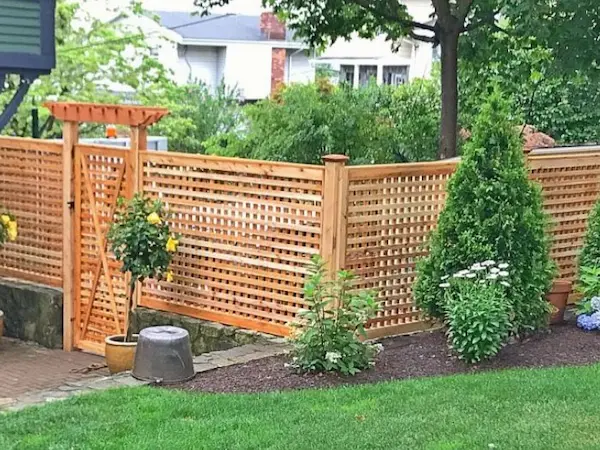
Lattice fences are known for their elegant and versatile appearance. They feature crisscrossed wooden panels, creating a beautiful framework that allows both privacy and airflow
Elegant And Versatile
Lattice fences offer a touch of sophistication and charm to any landscape. The intricate pattern of crisscrossed panels adds visual interest and creates a sense of openness while maintaining a degree of privacy. Lattice fences are suitable for various settings, from traditional to contemporary.
Different Lattice Patterns And Variations
Lattice fences come in different patterns and variations, allowing you to customize the look according to your preference. Common lattice designs include diagonal, square, and diamond patterns. Some lattice fences also incorporate decorative elements, such as scalloped tops or framed sections, to add further visual appeal.
Scallop-Top Fences
Scallop-top fences add a distinctive and eye-catching design element to your fence line. With their curved or wavy top edge, they create a soft and inviting look. These fences are particularly popular for their decorative appeal, bringing a touch of elegance and a unique character to any property’s boundary.
Adding A Unique Scalloped Design
Scallop-top fences offer a charming and unique aesthetic to your outdoor space. The scalloped design adds a sense of playfulness and elegance, making your fence stand out from traditional straight-top fences. It can be particularly appealing in cottage-style or whimsical landscapes.
Design Considerations And Options
When opting for a scallop-top fence, you can customize the depth and frequency of the scallops to suit your preferences. Additionally, you can choose from various materials and finishes to match your desired style, from natural wood to painted options.
Specialty Wood Fence Styles
In addition to the traditional and decorative styles, wood fences offer specialty options that cater to specific needs and purposes.
Here, we will explore two such styles: farm and ranch fences and ornamental wood fences. These specialty styles provide unique functionality and design elements for different applications.
Farm And Ranch Fences
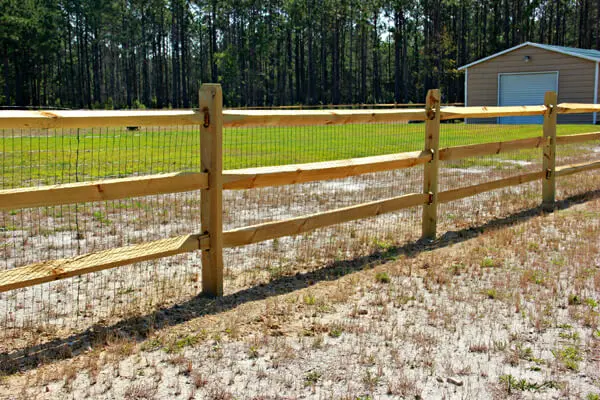
Farm and ranch fences are utilitarian and functional, serving as reliable enclosures for livestock and agricultural areas. They are designed to withstand the demands of rural environments while providing adequate containment. These fences also contribute to the traditional aesthetic of rural landscapes, blending functionality with a timeless, rustic charm.
Utilitarian And Functional
Farm and ranch fences prioritize functionality and durability. They are typically built using sturdy wooden posts and rails that can withstand the pressure of large animals. These fences provide security, keeping livestock contained while also preventing predators or unwanted wildlife from entering the property.
Common Types
Common farm and ranch fence types include post and rail fences, split rail fences, and wire mesh fences. These styles offer varying levels of visibility, with some providing a clear view of the enclosed area while others prioritize maximum containment.
Ornamental Wood Fences
Ornamental wood fences combine style and security, making them suitable for residential properties seeking an aesthetically pleasing yet protective barrier. These fences often incorporate decorative elements and intricate designs.
In addition to their beauty, ornamental wood fences offer versatility in design, allowing homeowners to choose patterns and styles that reflect their personal taste and home’s architecture.
Combining Style And Security
Ornamental wood fences provide an attractive way to enhance security without sacrificing visual appeal. They add elegance and sophistication to your property while effectively serving as a physical barrier. These fences are often used for front yards or around garden areas.
These fences provide security and contribute to the overall landscape design, seamlessly integrating with other outdoor features like gardens and pathways.
Design Elements And Maintenance
Ornamental wood fences can feature decorative post caps, finials, or latticework to enhance their visual impact. They may require periodic maintenance, such as staining or painting, to preserve their beauty and protect the wood from the elements.
Regular maintenance of ornamental wood fences not only preserves their aesthetic appeal but also extends their lifespan, ensuring they remain a standout feature of your property for years.
Choosing The Right Wood
Selecting the appropriate wood for your fence balances practicality and personal preference. In this section, we will discuss choosing the right wood.
Cedar:
Cedar stands out for its combination of durability and aesthetic appeal. It naturally resists decay, rot, and insect infestation, which contributes to its longevity. Its lightweight nature makes it easy to work with during installation. Cedar’s distinct aroma is not only pleasant but also acts as a natural insect repellent. The wood’s rich color tones and grain patterns add a warm, inviting look to any property, enhancing its curb appeal.
Redwood:
Redwood is prized for its natural beauty and long-lasting qualities. It is naturally resistant to decay and insects, much like cedar, but offers a more luxurious look with its vibrant reddish-brown hues and appealing grain patterns.
This premium wood is particularly suited for fences that are as much about aesthetics as they are about functionality. Its durability ensures that it can withstand harsh weather conditions, maintaining its elegance over time.
Pine:
Pine is a popular choice for those on a budget, offering a good balance of cost-effectiveness and functionality. It’s readily available and can be pressure-treated to enhance its resistance to decay, rot, and insect damage. This treatment extends its lifespan, making it a more durable option than untreated softwoods.
Pine’s adaptability to various finishes and treatments also means it can be tailored to fit a wide range of aesthetic preferences, from traditional to modern designs.
FAQs
1. What Type Of Wood Is Best For A Fence?
The best type of wood for a fence depends on factors such as durability, resistance to decay and insects, and desired aesthetics. Cedar and redwood are often considered the best choices due to their natural durability and resistance to rot and insects.
2. How Many Types Of Fences Are There?
There are numerous types of fences, each serving different purposes and styles. Key types include privacy, picket, rail, chain-link, wrought iron, vinyl, bamboo, and electric fences. These varieties cater to needs ranging from security and privacy to aesthetic appeal and property demarcation.
3. What Is The Most Durable Wood Fence Design?
The most durable wood fence design is typically the privacy fence. Constructed with solid panels and no gaps, it withstands weather and wears better than other styles. Made from hardy woods like cedar or redwood, it offers longevity, privacy, and robust protection against elements and external pressures.
Types Of Wood Fences: Conclusion
Wood fences offer a wide range of options to suit different needs, styles, and preferences. From traditional and decorative styles to specialty designs, there is a wood fence type for every purpose and aesthetic.
Whether you prioritize privacy, security, durability, or a combination of these factors, understanding the various wood species, fence styles, and maintenance requirements is crucial in making an informed decision.