Split Rail Corner Fences are a timeless addition to any property, blending rustic charm with practical functionality. These fences, characterized by their simple yet sturdy design, have been a staple in rural and suburban landscapes for centuries.
A Split Rail Corner Fence is an ideal solution for adding a touch of rustic elegance to your yard. Constructed from interlocking wooden rails, these fences offer durability and a classic aesthetic. Perfect for delineating property boundaries or enclosing livestock, they require minimal maintenance.
In the following sections, we will delve deeper into the world of Split Rail Corner Fences. Stay tuned to uncover the must-know facts about these iconic fences.
KEY Takeaways
- Rustic Appeal: Split Rail Corner Fences offer a classic, rustic look, effortlessly enhancing the aesthetic of any property.
- Ease of Installation: These fences are known for their straightforward setup, making them a popular choice for DIY enthusiasts.
- Low Maintenance: With durability as a key feature, Split Rail Corner Fences require minimal upkeep, ensuring long-lasting appeal.
Importance of Corner Fences
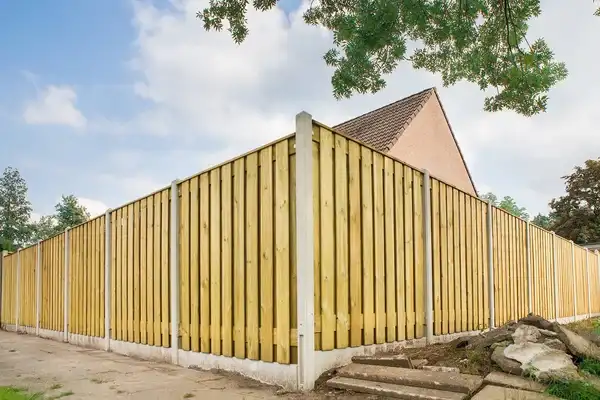
They serve as critical structural elements that ensure stability, integrity, and seamless transitions between different fence sections. Let’s explore each of these 3 aspects in detail:
Role and Purpose of Corner Fences
Corner fences act as anchor points, supporting and stabilizing the entire fencing system. They are strategically placed at the corners of a fenced area to mark the boundaries and maintain the fence’s structural integrity.
These fences help define property lines, enclose livestock or pets, enhance security, and establish privacy.
Stability and Integrity Enhancement of Fence Lines
Corner fences significantly contribute to the stability and integrity of the entire fence line. Due to their position at corners, they absorb and distribute the tension and pressure exerted by the fencing materials, preventing sagging, leaning, or collapsing.
Corner fences are often designed to be stronger and more robust than regular fence sections. They are typically constructed using heavier materials. Such as thick wooden posts, sturdy metal frames, or reinforced concrete, to ensure durability and resistance against external stress.
Seamless Transition between Fence Sections
Another important aspect of corner fences is their ability to facilitate a seamless transition between different sections of the fence. In fencing systems that utilize panels or individual segments, corner fences help connect and align the adjacent sections.
They serve as anchor points, allowing for the smooth continuation of the fence line without any visible gaps or misalignment.
When properly installed, corner fences ensure that the tension and alignment of the fence material are maintained throughout the entire perimeter.
Benefits of Split Rail Corner Fences
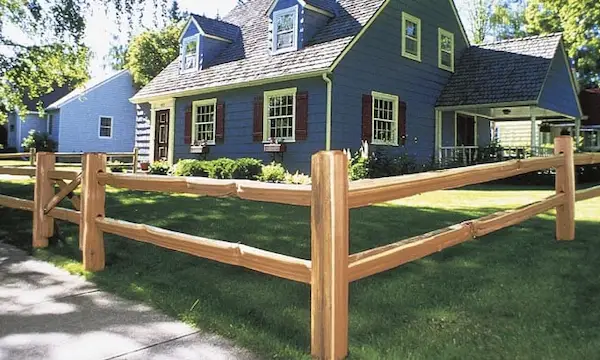
Split rail corner fences offer several benefits that make them a popular choice for various applications. The following are three advantages:
Improved Structural Stability at Corners
Split rail corner fences provide excellent structural stability at the corners of a fenced area. The design of split rail fencing, with its horizontal rails fitting into vertical posts, creates a sturdy and secure connection at the corners.
This construction method ensures that the fence can withstand lateral pressure and external forces, such as wind or animal impacts, without compromising its integrity. As a result, split rail corner fences help maintain the overall stability of the fence line.
Enhanced Visual Appeal and Aesthetic Continuity
Split rail corner fences have a distinct rustic charm that enhances the visual appeal of any property. The natural beauty of the wood and the open design of the fence create an inviting and timeless look.
Additionally, split rail corner fences contribute to aesthetic continuity throughout the fence line. Their design seamlessly blends with the straight sections, creating a cohesive and harmonious appearance.
This visual consistency adds to the overall attractiveness of the fence and the surrounding area.
Efficient Use of Materials for Cost-Effectiveness
One of the notable benefits of split rail corner fences is their efficient use of materials, which makes them cost-effective compared to other types of fencing. Split rail fences require fewer materials overall due to their open design.
The rails, typically made of wood, are split into multiple pieces, allowing them to cover more distance with less material. This efficient use of resources reduces material costs, making split rail corner fences a budget-friendly option for large or extensive fencing projects.
Design Considerations for Split Rail Corner Fences
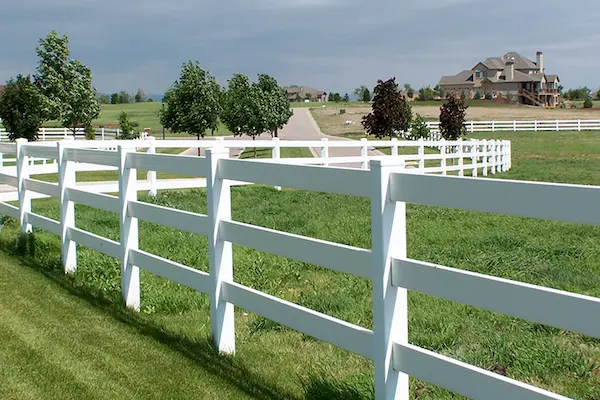
When designing a split rail corner fence, there are several important considerations to ensure optimal functionality, durability, and aesthetic appeal. Here are the key design considerations:
Selecting Appropriate Materials and Dimensions
Choosing the right materials is crucial for the longevity and performance of a split rail corner fence. The most common material for split rail fencing is wood, typically cedar or treated pine due to their durability and resistance to decay. These materials provide a natural and rustic look that complements the fence’s design.
When selecting dimensions for the rails and posts, it’s essential to consider the intended purpose of the fence and the specific requirements of the project.
Choosing a Suitable Corner Post Design:
There are three options for corner post designs:
T-Post
A T-shaped post can be used as a corner post, providing stability and support. The rails can be attached to the horizontal cross-section of the T-post, creating a secure connection.
Braced Corner
This design involves using diagonal braces extending from the corner post to a nearby straight section of the fence. The braces help distribute the tension and reinforce the corner, ensuring stability.
Reinforced Corner
Another approach is to reinforce the corner post with additional support, such as extra vertical posts or cross-bracing. This reinforcement strengthens the corner, preventing it from sagging or leaning over time.
The choice of corner post design depends on factors such as the desired aesthetic, the terrain, and the specific requirements of the fence.
Considering the Angle and Alignment of Fence Sections:
To create a visually pleasing and functional split rail corner fence, it’s important to consider the angle and alignment of the fence sections. The corner angle should be carefully determined to ensure a seamless transition between the straight sections.
A common practice is to use a 90-degree angle, but angles between 70 and 110 degrees can also be employed, depending on the specific layout and requirements.
Installation Techniques
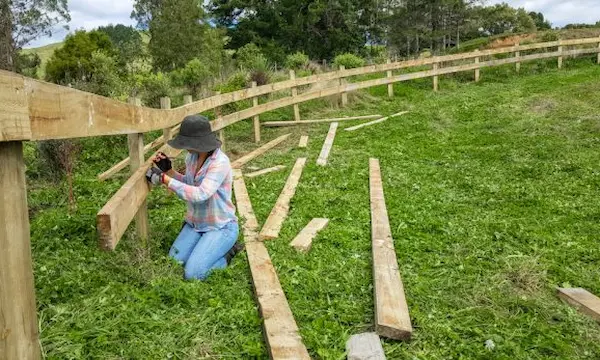
Proper installation techniques are crucial for ensuring the stability, durability, and longevity of a split rail corner fence. Here are 3 key techniques to consider:
Preparing the Corner Post and Foundation
Start by preparing the corner post and its foundation. The corner post should be set securely in the ground to provide a stable anchor for the fence. Follow these steps:
- Dig a hole that is deep enough to accommodate approximately one-third of the length of the corner post. The hole should be wider at the bottom to create a bell-shaped foundation.
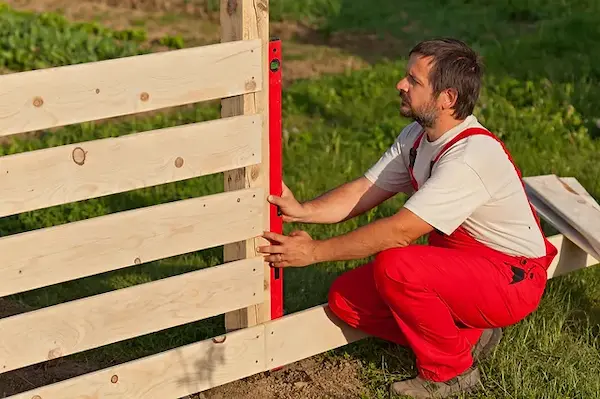
- Place the corner post in the hole and ensure it is level and plumb. Use a spirit level to check both the vertical and horizontal alignment.
- Backfill the hole with soil, compacting it firmly around the post to provide stability. Alternatively, you can use concrete to set the corner post for added strength and longevity.
Aligning and Connecting Rails at Corners
Proper alignment and connection of the rails at the corners are essential to maintain the structural integrity and aesthetic appeal of the fence. Follow these steps:
- Determine the angle of the corner and mark it on the corner post.
- Measure and cut the rails to the appropriate length, allowing for some overlap at the corners.
- Place the first rail against the corner post, aligning it with the marked angle. Secure it to the post using nails, screws, or brackets.
- Place the next rail in position, overlapping it with the first rail at the corner. Secure it to the corner post and the first rail, ensuring a tight and secure connection.
- Repeat this process for additional rails, making sure they are aligned and connected properly.
Securing the Fence for Stability and Longevity
- To ensure the stability and longevity of the split rail corner fence, it’s important to secure it properly. Consider the following steps:
- Add stability to the corner by installing additional support, such as diagonal bracing or reinforcing the corner post with extra vertical posts.
- Use galvanized nails, screws, or specialized fence brackets to secure the rails to the corner posts and adjoining sections. Make sure the connections are tight and secure.
- Regularly inspect the fence for any signs of damage or loose connections. Make necessary repairs promptly to maintain its stability and longevity.
Additionally, it’s advisable to consult local building codes and regulations for specific installation requirements and recommendations.
Maintenance and Upkeep
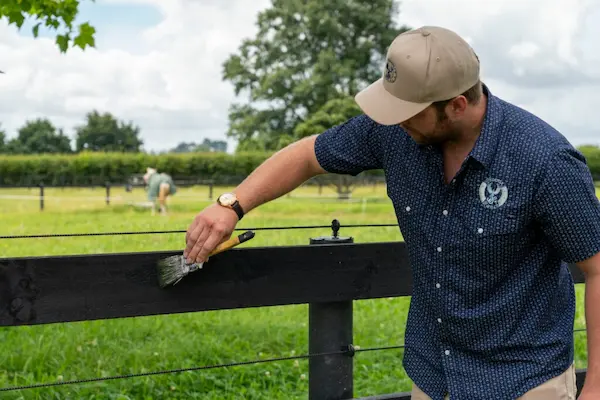
Maintenance and upkeep are essential for preserving the integrity, appearance, and longevity of a split rail corner fence. Here are three key aspects to consider:
Regular Inspections and Repairs for Corner Integrity
Perform routine inspections of the corner posts, rails, and connections to ensure their structural integrity.
Pay close attention to the corners, as they are critical for the stability of the fence. Look for signs of damage, such as rot, cracks, or loose connections.
If you notice any issues with the corner posts or rails, make repairs promptly. Replace damaged or rotted wood, tighten loose connections, and reinforce any weakened areas.
Treating Wood to Protect Against Rot and Decay
- Clean the wood surfaces of the fence using a mild detergent and a brush to remove dirt, debris, and any existing coatings.
- Allow the wood to dry thoroughly before applying a wood preservative or stain. Follow the manufacturer’s instructions for the specific product you choose.
- Apply the wood treatment evenly to all exposed surfaces of the fence, including the corner posts and rails. Pay extra attention to the end grain, as it is particularly vulnerable to moisture absorption.
- Regularly reapply the wood treatment according to the manufacturer’s recommendations to maintain its protective properties. This will help prevent rot, decay, and insect damage, ensuring the longevity of the fence.
Proper Maintenance and Replacement of Damaged Sections
As with any fence, damaged sections of a split rail corner fence should be addressed promptly to maintain its functionality and appearance. Regularly inspect the entire fence for signs of damage, such as broken rails, loose connections, or missing components.
When damage is identified, repair or replace the affected sections as needed. This may involve replacing individual rails, securing loose connections, or reinforcing weakened areas.
Local Regulations and Permits
Before installing a split rail corner fence, it’s important to be aware of and comply with local regulations and obtain any necessary permits or permissions. Here are 3 key considerations:
Checking Regulations for Fence Installation
Start by researching the specific regulations and guidelines governing fence installation in your local area. These regulations can vary between cities, counties, homeowners associations, or other governing bodies.
Check with the relevant local authorities, such as the building department or zoning board, to understand the specific requirements for fence installation.
Key factors to consider may include allowable fence types, height restrictions, setback requirements from property lines, and any specific rules related to corner fences.
Understanding Height and Setback Requirements
Height restrictions and setback requirements are common considerations in fence regulations. Height restrictions dictate the maximum height allowed for fences in a specific area.
Ensure that your split rail corner fence complies with the height restrictions set by local regulations. Additionally, be aware of any setback requirements that may affect the placement of the fence corner posts. By understanding and adhering to these requirements, you can avoid potential issues and ensure compliance with local regulations.
Obtaining Necessary Permits or Permissions
In some jurisdictions, obtaining permits or permissions for fence installation is necessary. Permits are official approvals granted by the local building department or other relevant authority, allowing you to proceed with the installation.
The process typically involves submitting an application, providing necessary documentation, and paying a fee.
Check if your local regulations require permits for installing a split rail corner fence. If permits are required, ensure that you complete the necessary paperwork and obtain the permit before starting the installation.
FAQs
1. How do you split a rail fence?
To split a rail fence, a long log or timber is cut vertically into multiple rails using tools like a chainsaw or specialized splitting tools. The split wood is then shaped and used for the rails of the fence. Splitting rails requires skill and appropriate tools.
2. What size is a split rail fence?
The size of a split rail fence can vary, but typically, the rails are 8 to 12 feet in length. They are usually around 4 to 6 inches wide and 2 to 4 inches thick. The vertical posts that support the rails are generally 5 to 7 feet.
3. What is the difference between split rail and post and rail fence?
The main difference between split rail and post and rail fences lies in their construction methods and appearance. Split rail fences are created by splitting larger pieces of wood into rails and connecting them to vertical posts, resulting in a rustic and open fence.
Wrapping Up
A split rail corner fence is a versatile and visually appealing option for marking boundaries, enhancing aesthetics, and adding rustic charm to various properties. It offers improved structural stability, with carefully aligned and connected rails at the corners, ensuring durability and longevity.
By adhering to proper installation techniques, regular maintenance, and compliance with local regulations, a split rail corner fence can provide a durable and attractive solution for property owners seeking a blend of functionality, natural beauty, and cost-effectiveness.
Want to dive deeper? Read this blog on wood-split rail fences.