
When building a fence, selecting the right materials is key to its longevity and strength. Pressure treated wood is often considered for fence rails due to its resistance to rot and pests. Understanding the pros and cons of using pressure treated wood can guide your decision-making process.
You should use pressure treated wood for fence rails due to its durability and resistance to decay, insects, and harsh weather conditions. This treatment extends the life of wood, making it a cost-effective and reliable choice for outdoor fencing projects.
In the following sections, we’ll explore the benefits of pressure treated wood for fence rails, compare it with other materials, and offer tips on installation and maintenance.
KEY Takeaways
- Durability: Pressure treated wood offers enhanced durability against rot, decay, and insect damage, making it a strong choice for fence rails.
- Maintenance Needs: Requires less maintenance compared to untreated wood, ensuring longevity and reducing long-term care efforts.
- Cost-Effectiveness: Although initially more expensive, pressure treated wood proves cost-effective over time due to its long lifespan and minimal maintenance needs.
Advantages Of Pressure Treated Wood
We’ll explore its advantages, including durability, resistance to decay and insects, and overall cost-effectiveness for long-term use in various applications.
Protection Against Decay And Insect Infestations
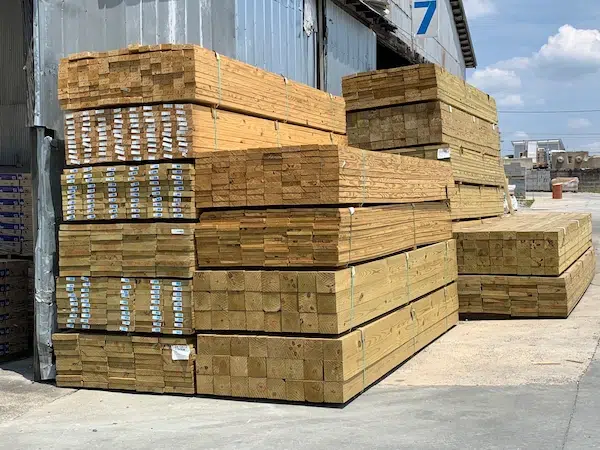
Firstly, pressure treated wood is designed specifically to resist rot and insect infestations. A special chemical concoction is forced into the wood under high pressure, creating a barrier that pests and decay simply can’t penetrate. This makes it an ideal choice for outdoor structures, especially those in direct contact with the ground or exposed to harsh weather conditions.
Longevity
The longevity of pressure-treated wood is a standout feature, making it a preferred choice for fencing and other outdoor structures. Unlike untreated wood, which may succumb to environmental factors like moisture, insects, and decay, pressure-treated wood withstands these challenges remarkably well. Its enhanced durability is attributed to the special treatment process it undergoes, where chemicals are infused into the wood to increase its resistance to external threats.
Cost-Effectiveness
When considering the cost-effectiveness of pressure-treated wood, it’s important to look beyond the initial purchase price. While this material may have a higher upfront cost compared to some untreated woods, its long-term benefits significantly offset this initial investment. The reduced need for frequent repairs or replacements due to its durability means savings in the long run. Additionally, pressure-treated wood requires less maintenance compared to other materials.
Disadvantages Of Pressure-Treated Wood
Despite its advantages, there are some downsides to consider before deciding to use pressure treated wood for fence rails. Here are 3 major disadvantages to keep in mind:
Chemical Treatment
One of the most significant disadvantages is the chemical treatment itself. While it provides protection against decay and insects, it can also be harmful if not handled properly. Always ensure you wear appropriate protection when cutting or sanding pressure-treated wood.
Warping and Splitting
One of the drawbacks of pressure-treated wood is its tendency to warp and split over time, a consequence of its treatment and drying process. When the wood is treated with chemicals to enhance its durability, it also absorbs moisture. As the wood dries, this moisture evaporates, which can lead to uneven shrinkage, causing warping or splitting. This is particularly a concern in fluctuating climates where the wood undergoes repeated cycles of wetting and drying.
Environmental Concerns
The environmental impact of pressure-treated wood is another important consideration. The chemicals used in the pressure-treating process, designed to protect the wood from rot and pests, can have adverse effects on the environment. Over time, these chemicals can leach out of the wood and into the surrounding soil, potentially harming plant life and local ecosystems. This is especially concerning in areas close to gardens, water bodies, or where soil contamination could have broader ecological impacts.
Alternatives To Pressure-Treated Wood

Alternatives To Pressure-Treated Wood
Exploring alternatives to pressure-treated wood for fence rails is essential for those who prioritize different aspects like aesthetics, maintenance, or environmental impact. Let’s delve into some popular options:
Cedar
Cedar stands out as a premium choice for fencing due to its natural rot resistance and unique characteristics. It offers a distinct warm, reddish hue and a pleasant, aromatic scent, enhancing the sensory experience of your outdoor space. Cedar’s natural oils make it resistant to decay and insects, similar to pressure-treated wood, but without the need for chemical treatment.
Although cedar can be more expensive than pressure-treated wood, its durability and aesthetic appeal justify the cost for many. It weathers gracefully over time, turning into a beautiful silver-gray patina, and requires less maintenance while still providing a long-lasting fencing solution.
Redwood
Redwood is another high-end option, prized for its striking color and natural resistance to decay and pests. Like cedar, redwood’s inherent qualities make it a durable choice for fencing, eliminating the need for chemical treatments.
Its rich, vibrant color adds a luxurious touch to any outdoor setting. While redwood is generally more expensive than both cedar and pressure-treated wood, its longevity and low maintenance needs make it a worthwhile investment for those who prioritize quality and natural beauty in their outdoor projects.
Composite Wood
For those looking for a modern and practical alternative, composite wood is an excellent choice. Made from a blend of wood fibers and plastic, it combines the best of both materials. Composite wood is highly resistant to rot, insect damage, and even fading from sun exposure. Its consistency in color and texture over time is a major advantage, requiring minimal maintenance compared to natural wood.
While the initial cost may be higher than traditional wood options, its durability and low upkeep make it a cost-effective choice in the long run.
Split Rail Fence With Wire
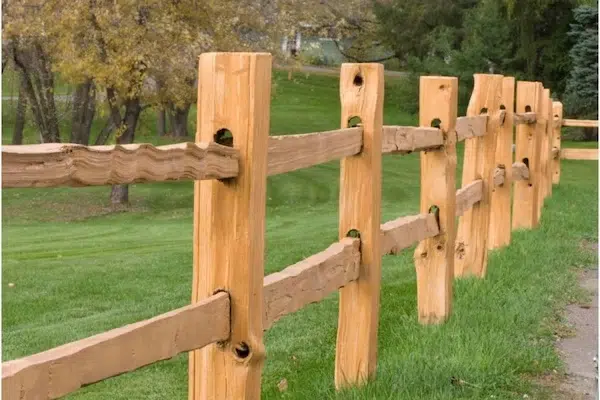
If you’re considering something different, a split rail fence with wire offers a rustic yet functional design. This type of fence combines the traditional charm of split rail wood fencing with the added security and containment of wire mesh. It’s particularly useful for areas where you might want to keep pets in and wildlife out.
The split rail provides a sturdy and attractive framework, while the wire ensures practicality and safety. This combination can be executed with various wood types, including pressure-treated wood, cedar, or redwood, depending on your preference for aesthetics and durability.
Factors To Consider When Deciding On Wood For Fence Rails
When choosing wood for fence rails, several key factors influence the decision-making process. Understanding these aspects can guide you toward the best choice for your specific needs and circumstances.
Budget
Your budget plays a pivotal role in determining the type of wood you can select for your fence rails. Different woods come with varying price points. Pressure-treated wood, for instance, is generally more affordable than options like cedar or redwood. It’s important to balance cost with quality and longevity. A higher initial investment in a more durable and aesthetically pleasing wood could save money in the long term due to lower maintenance and replacement costs.
Local Climate
The local climate is a critical factor in your decision. If your area experiences harsh weather conditions, such as extreme humidity, frequent rain, or intense sun exposure, you’ll need a wood that can withstand these elements. Pressure-treated wood is often favored in such climates for its enhanced resistance to rot and decay. However, if your climate is milder, you might opt for less treated options like cedar or redwood, which naturally resist weathering.
Aesthetic Preference
The aesthetic appeal of your fence is another significant consideration. Each type of wood offers a unique look and feel. Pressure-treated wood has a more utilitarian appearance, while cedar and redwood provide a warmer, more natural aesthetic. Consider what style complements your property and aligns with your personal taste. The choice of wood can significantly impact the overall appearance and character of your fence.
Maintenance Requirements
Finally, think about the maintenance you are willing and able to commit to. Pressure-treated wood typically requires less maintenance compared to untreated woods but may still need periodic sealing or staining. Natural woods like cedar and redwood also require maintenance to preserve their color and protect against the elements, albeit possibly at different intervals or intensities.
Your willingness to engage in regular upkeep will influence the most suitable wood choice for your fence rails.

FAQs
1. Do I Need Pressure Treated Wood Fr Railing?
While it’s not mandatory, using pressure-treated wood for railing is beneficial due to its resistance to decay and insect infestation, which can significantly increase the lifespan of your railing. However, always consider other factors such as aesthetics, maintenance requirements, and local climate.
2. Can You Use Pressure Treated Wood For Fence Rails?
Yes, you can use pressure treated wood for fence rails. It is highly durable, resistant to rot, decay, and insect damage, making it an excellent choice for long-lasting and sturdy fencing in various climates. Its cost-effectiveness and low maintenance needs further add to its suitability for fence rails.
3. What Is The Best Wood For Rail Fence?
The “best” wood depends on your specific needs and preferences. Pressure-treated wood is excellent for durability and cost-effectiveness, cedar and redwood offer natural decay resistance and aesthetics, while composite wood provides low-maintenance durability. Consider factors such as local climate, budget, and aesthetic preference.
Conclusion
The decision on whether or not to use pressure-treated wood for fence rails largely depends on your specific needs and circumstances. While it offers durability and cost-effectiveness, it does come with some downsides.
Alternative materials such as cedar, redwood, and composite wood provide different benefits that might be more aligned with your preferences. Weighing the pros and cons of each material against your budget, local climate, aesthetic preference, and maintenance requirements will help you make the right choice for your fence.
Want to learn more about fences? Read our guide on split rail fences here.


