
Winter has its charms, with snowflakes gently touching the ground and children playing in the snow. Amidst this, paving a driveway might seem out of place.
Paving a driveway in the winter is possible, but it comes with challenges. Cold temperatures can affect the quality and curing time of the materials used. Paving a driveway in winter demands special attention to temperature, materials, and timing. This ensures a robust and durable surface.
Dive in as we unpack the intricacies of paving during the colder months and the best practices to ensure your driveway stands the test of time.
KEY Takeaways
- Winter Paving Possibilities: Paving a driveway in winter is possible, but it requires careful planning and specific conditions.
- Challenges to Overcome: Cold weather presents challenges such as slow curing time and potential quality issues.
- Tips for Success: Proper techniques and precautions can lead to a successful paving project even in colder temperatures.
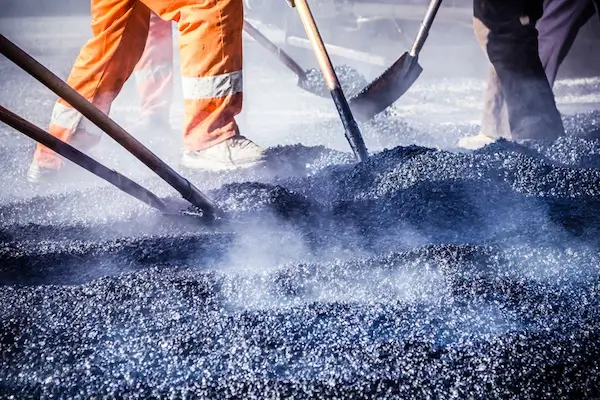
Factors To Consider When Paving A Driveway In Winter
Paving a driveway in the winter can be a challenging task, and there are several factors to consider before getting started. Here are some key factors:
Temperature Requirements For Different Types Of Paving Materials
Different paving materials have different temperature requirements for proper installation. For example, hot mix asphalt requires a minimum temperature of 50°F to properly set, while concrete can be poured at temperatures as low as 20°F. It’s essential to choose a paving material that is appropriate for the winter temperatures in your area.
Impact Of Winter Weather On The Curing Process
Cold weather can significantly impact the curing process of the pavement. It can take longer for the pavement to cure, and it may not achieve the same level of strength and durability as pavement installed during warmer weather.
Potential Issues With Freezing And Thawing
The freeze-thaw cycle can cause significant damage to the pavement. Water that seeps into cracks and crevices can freeze and expand, leading to further cracking and damage. It’s essential to prevent water from infiltrating the pavement, such as proper drainage and sealing.
Advantages Of Paving A Driveway In Winter
While winter driveway paving can present some challenges, there are also several potential advantages to consider. Here are some of the advantages of paving a driveway in winter:
Potential Cost Savings
Paving a driveway in winter may be less expensive than during the peak paving season, as paving contractors may offer discounts or promotions to drum up business during the off-season.

Availability Of Contractors And Equipment
During the peak paving season, contractors and equipment may be in high demand, leading to delays and longer lead times for scheduling. In the winter, however, contractors and equipment may be more readily available, which can lead to faster completion times.
Reduced Disruption To Daily Routines
For homeowners, winter may be a quieter time of year with fewer outdoor activities and events. This can make it easier to accommodate driveway paving without disrupting daily routines or inconveniencing neighbors.
Disadvantages Of Paving A Driveway In Winter
While there are some advantages to paving a driveway in the winter, there are also several potential disadvantages. Here are some of the disadvantages:
Increased Likelihood Of Weather-Related Delays
Winter weather can be unpredictable, with snow, sleet, and freezing rain all potential hazards that can delay the paving process. This can lead to longer project timelines and increased costs.
Reduced Quality Of Work Due To Weather Conditions

Cold weather can negatively impact the quality of the pavement, leading to issues such as cracking, unevenness, and reduced durability. It can be more difficult to achieve proper compaction and curing during the winter, which can impact the overall quality of the work.
Limited Time Frame For Completing The Project
Winter days are shorter, and the weather can be unpredictable, which can limit the amount of time available for completing the project. This can increase the pressure on contractors to work quickly, which can negatively impact the quality of the work.
Preparation For Paving A Driveway In Winter
To ensure a successful driveway paving project in winter, proper preparation is essential. Here are some critical steps to take when preparing for winter driveway paving:
Clearing Snow And Ice From The Site
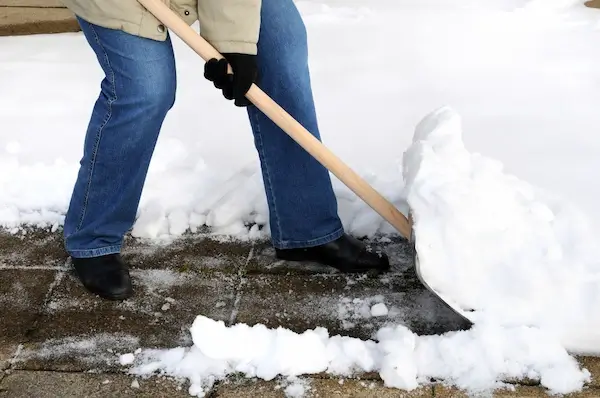
Before paving can begin, it’s essential to clear any snow or ice from the site to ensure a clean, level surface. This can help prevent issues with drainage and ensure proper compaction during the paving process.
Adjusting The Paving Process For Winter Conditions
The cold temperatures and reduced daylight hours of winter can impact the paving process. To compensate for this, contractors may adjust the paving process by using warmer materials or covering the pavement to maintain a consistent temperature during the curing process.
Use Of Additives To Improve Curing In Cold Weather
To ensure proper pavement curing, contractors may use additives such as accelerators or antifreeze agents to improve the curing process in cold weather.
Frequently Asked Questions
What are the challenges of paving a driveway in the winter?
The challenges of paving a driveway in the winter include unpredictable weather conditions, increased risk of weather-related delays, reduced quality of work due to weather conditions, and a limited time frame for completing the project. Additionally, cold temperatures can hinder the proper setting and curing of asphalt.
Can I Save Money By Paving My Driveway In The Winter?
Paving a driveway in the winter may be less expensive than during the peak paving season, as paving contractors may offer discounts or promotions to drum up business during the off-season. However, the potential cost savings should be weighed against the challenges and risks of winter paving.
How Long Does It Take To Pave A Driveway In The Winter?
The time it takes to pave a driveway in the winter depends on several factors, including the size and complexity of the project, the specific site conditions, and the weather. Winter paving projects may take longer due to weather-related delays or the need for additional preparation work.
What Time Of Year Is Best To Pave A Driveway?
Generally, warmer months are considered the best time to pave a driveway. The best time of year to pave a driveway depends on several factors, including the climate, the specific site conditions, and the availability of contractors and equipment.
What Temperature Is Best For Driveway Paving?
The ideal temperature for driveway paving is between 50 and 90 degrees Fahrenheit. In this range, asphalt sets and cures properly, ensuring a durable and long-lasting surface. Paving outside this temperature range can compromise quality, resulting in a weaker driveway.
Conclusion
While paving a driveway in the winter is possible, it comes with certain challenges. Cold temperatures can affect the materials and the quality of the work. It’s crucial to take proper precautions and employ specific techniques to ensure the driveway sets and cures properly.
Despite these challenges, winter paving might be more affordable due to potential off-season discounts from contractors. Always weigh the pros and cons and consult a professional to make the best decision for your driveway paving project.


