
People often water their driveways for reasons beyond superficial cleaning. It’s a practice that might seem unusual but has its purposes. From cooling down the concrete on hot days to preparing the surface for sealing, the reasons are varied and practical.
People water their driveways to clean off dirt, debris, and stains like oil drippings. The water helps rinse the pavement, while the spray pressure can help dislodge stuck-on gunk. Driveway watering is also done after applying sealants and repairs to settle the material.
We aim to provide a comprehensive overview of why watering a driveway is more than just an odd habit; it’s a calculated move by homeowners for driveway preservation.
KEY Takeaways
- Dust Control: Watering binds dust particles, keeping the driveway clean and breathable.
- Temperature Regulation: A wet driveway stays cooler, preventing heat damage to the surface.
- Sealant Preparation: Moistening a driveway before sealing helps the adhesive adhere better, ensuring long-lasting protection.
Reasons People Water Their Driveways
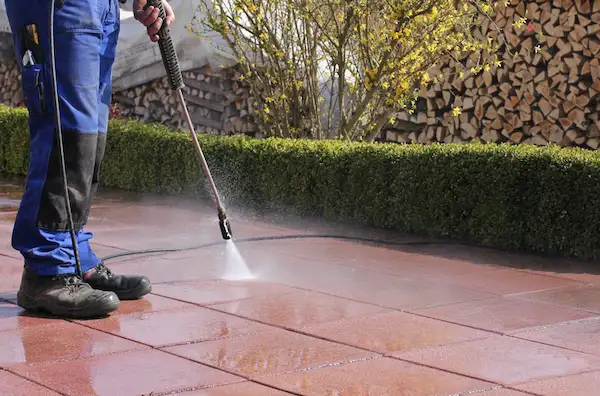
The practice of people watering their driveways may seem unusual at first glance. However, there are several exciting reasons behind this. Here are 4 of the major ones.
Dust Control:
When you sprinkle water on the driveway, it captures loose particles on the surface. This process helps to reduce the airborne dust created when cars drive over, or the wind sweeps through. By keeping these particles grounded, watering your driveway minimizes the spread of dust, leading to a cleaner home environment and more unmistakable air in your immediate outdoor space.
How Water Can Reduce Dust:
Water has a natural binding property that causes dust particles to stick together and become too heavy to float in the air. This action helps to decrease the dust that gets kicked into the air, effectively reducing the pollution that can settle on your property or find its way into your home.
Environmental Impact of Excess Dust:
The importance of controlling dust goes beyond cleanliness. Dust can carry various pollutants, degrading air quality and harming health and the ecosystem. By watering your driveway and thus minimizing dust, you’re contributing to the larger picture of environmental protection.
Aesthetics:
Beyond functionality, there’s an aesthetic aspect to consider. A freshly watered driveway can have a pleasing sheen that reflects light, improving your home’s curb appeal. This makes your property look more inviting and can subtly yet positively affect its perceived value.
Keeping your driveway dust-free and gleaming showcases a well-maintained home, reflecting care and attention to detail.
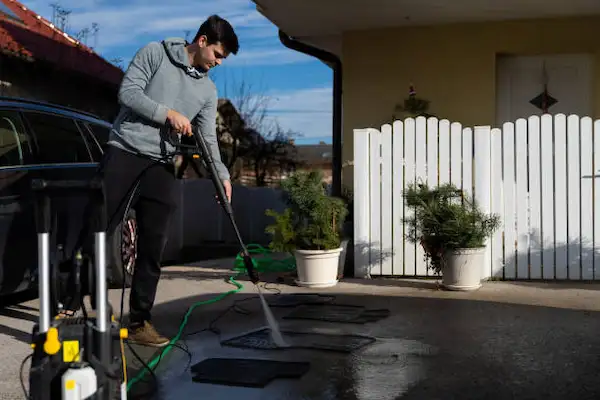
Drawbacks of Watering a Driveway
Watering a driveway, which may seem like a dust suppression or cleaning activity, can have several unintended negative consequences. Here’s a brief overview of what we’ll cover:
- Wastage of Water: The environmental impact of using clean water for non-essential purposes.
- Structural Damage: Potential harm to the driveway material over time.
- Mold and Algae Growth: Increased moisture leads to unwanted biological growth.
- Slip Hazard: Creating slippery surfaces that can be dangerous to pedestrians and vehicles.
- Water Runoff and Pollution: Water carrying pollutants from the driveway into the storm drains and local waterways.
- Economic Cost: The unnecessary expense associated with the water used and potential damage repairs.
- Local Water Restrictions: Possible violation of water conservation rules, especially during drought conditions.
Alternatives to Watering a Driveway
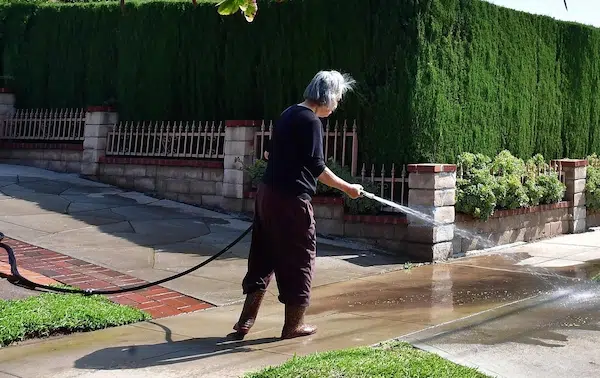
Thankfully, several alternatives to watering a driveway can address the issues of dust, aesthetics, and heat without the negative environmental and financial impacts. Here are three suggestions:
Use Environmentally Friendly Dust Suppressants
Commercial dust suppressants can be applied to the driveway surface to keep dust at bay. These products help bind dust particles together, preventing them from becoming airborne. Opt for environmentally friendly and biodegradable options to minimize any adverse environmental effects.
Use Alternative Materials for the Driveway Surface
Instead of traditional asphalt or concrete, consider alternative materials that are less prone to dust and heat accumulation. Permeable paving systems or materials like gravel, decomposed granite, or rubber can provide a more eco-friendly, low-maintenance solution for your driveway needs.
Use Landscaping to Reduce Dust
Strategic landscaping can help minimize dust accumulation on your driveway. Planting shrubs or hedges along the driveway can act as a natural barrier to trap dust, while ground cover plants can help reduce erosion and keep the soil in place. These green solutions not only help control dust but also enhance the curb appeal of your property.
Frequently Asked Questions
1. Why do People Water Their Concrete?
People water their concrete driveways primarily to prevent cracking and enhance durability. When concrete is curing (hardening), keeping it moist helps the hydration process and strengthens the final product. In hot weather, watering can also allow cool the driveway’s surface.
2. Why do People Spray Their Driveway?
People spray their driveways for various reasons, including dust control, enhancing curb appeal, and maintaining the driveway’s overall health. Spraying with water can reduce dust, improve aesthetics by providing a clean, wet look, and prevent cracking in the case of concrete.
3. What Can I Do About Water In My Driveway?
If water is pooling in your driveway, it indicates poor drainage, which can lead to damage over time. Solutions include installing a trench drain, applying a topical sealant to redirect the water, or resurfacing the driveway with a slight slope to encourage water runoff.
Conclusion
Using eco-friendly dust suppressants, alternative driveway materials, and strategic landscaping, homeowners can balance maintaining an attractive driveway and being environmentally conscious. As we face growing concerns about water scarcity and environmental degradation, making informed choices is vital. So, the next time you ponder watering your driveway, consider the pros and cons and embrace a more sustainable approach for a better tomorrow.


