
Can you paint an asphalt roof? Painting your asphalt roof is a smart way to make your home stand out and protect it simultaneously.
Yes, you can paint an asphalt roof, but you must use special paint made for it. First, clean the roof well. Then, fix any damage. Use paint that reflects the sun to keep your house cooler. This can make your roof last longer and look nicer.
But it’s not as simple as just picking any paint and starting. You need the right paint and a clean roof for the best results. Let’s dive into how to add color to your roof and enjoy the benefits safely!
KEY Takeaways
- Use Specific Roof Paint: Choose acrylic or rubberized coatings are made for asphalt roofs to ensure durability and weather resistance.
- Preparation is Essential: Clean and repair the roof thoroughly before painting to ensure the best adhesion and longevity.
- Benefits Beyond Aesthetics: Painting your asphalt roof can save energy, extend lifespan, and improve your home’s overall look.
Roof Preparation
Before you paint an asphalt roof, getting it ready is very important. Here’s how to do it:
Cleaning Surface Debris
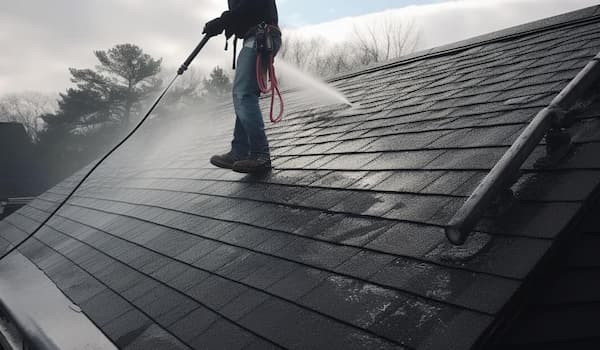
You need to clean the roof well. Leaves, dirt, and anything else on your roof must go. Use a broom or a leaf blower for the big stuff. Then, scrub away any moss or stains with a gentle cleaner and a soft brush.
Rinse it off with a hose. This step makes sure the paint sticks well and looks nice.
Repairing Damaged Areas
Look for any damage. This means checking for loose or missing shingles and spots where water gets in. Use roofing cement to fix small problems.
For bigger issues, you will need new shingles. Making these repairs means your roof will be in the best shape to paint. It helps the paint job last longer, too.
Ensuring Dry Conditions
The roof must be completely dry before you start painting. Paint won’t stick to a wet roof and won’t look good.
Check the weather forecast to pick a sunny, dry day. Give the roof a day after cleaning to dry out completely. This way, the paint goes on smoothly and dries right.
Selecting The Right Paint
When you paint your asphalt roof, picking the right paint is very important. Here’s how to do it:
Choosing Roof-Specific Paint
Not all paints are good for your roof. You need to use special paint made just for roofs. This kind of paint can handle rain, sun, and changes in temperature without peeling or cracking.
Look for acrylic or rubberized coatings. These types of paint stick well to asphalt shingles and last a long time. They also help your roof reflect sunlight, keeping your house cooler.
Optimal Color Selection
The color of the paint you choose can make a big difference. Light colors reflect more sunlight, which can help keep your home cooler in hot weather.
This means your air conditioner doesn’t have to work as hard, saving you money on energy bills. Dark colors can make your home warmer. When picking a paint color, consider what’s best for your home’s location and weather.
Quantity Estimation
Knowing how much paint you need is key. When you buy too little, chances are you will run out before you finish the job. Buying too much means you’ve spent extra money you didn’t need.
Usually, one gallon of paint covers about 250 to 300 square feet. To determine how much paint you need, measure your roof’s size and calculate the area.
Then, check the paint can to see how much area it covers and buy accordingly. It’s a good idea to buy a little extra.
Painting Equipment And Safety

When you decide to paint an asphalt roof, picking the right tools and staying safe is very important.
Quality Brushes Or Sprayers
Choosing the right tools for painting your asphalt roof is crucial. Quality brushes and sprayers make the application process smoother and more efficient.
Brushes are ideal for detailed work and smaller areas. They allow for precision and help ensure that no spot is missed. When selecting brushes, opt for durable bristles that can hold up to the texture of asphalt shingles without losing their shape.
Sprayers offer a faster way to cover large areas. They can evenly distribute paint across the roof’s surface, saving time and effort. However, choosing a sprayer compatible with roof paint is important, as some paints are too thick for certain models.
Practice using the sprayer on a less visible area first to get comfortable with its operation and to adjust the spray pattern for even coverage.
Safety Gear: Goggles, Gloves
Personal protective equipment is non-negotiable when painting an asphalt roof.
- Goggles protect your eyes from harmful paint splashes and debris. Roof painting can get messy, and eye protection is essential to prevent irritation or injury.
- Gloves safeguard your hands not only from paint but also from the abrasive surface of asphalt shingles. They can prevent cuts and scrapes and minimize direct contact with potentially harmful chemicals in the paint.
Always wear long sleeves and pants to protect your skin, and consider a hat or helmet for additional safety.
Sturdy Ladder Usage
A reliable ladder is key to accessing your roof safely.
- Choose a tall ladder to reach your roof comfortably without overextending. It should be sturdy and stable, capable of supporting your weight and any tools or equipment you carry.
- Before climbing, inspect the ladder for any damage or defects that could compromise its stability. Check that all locks and extension mechanisms are fully engaged.
- Place the ladder on a firm, level surface to prevent slipping or tipping. Use ladder stabilizers or have someone hold the ladder at the base for extra security.
- Practice proper ladder safety by always maintaining 3 points of contact (2 hands and 1 foot or 2 feet and one hand) while climbing or descending.
Primer Application
Before diving into the painting process, applying a good primer is crucial. This step is necessary for a long-lasting and visually appealing result.
Importance Of Roof Primer
Here’s why primer plays a vital role:
- Enhanced Adhesion: Primer creates a microscopic texture on the roof surface. This provides a better grip for the paint and prevents peeling and flaking over time.
- Uniform Finish: Priming evens out the absorbency of the asphalt. This ensures consistent paint color and smoother application.
- Moisture Protection: A high-quality primer forms a protective barrier against moisture. This mitigates the risk of water damage and extends the lifespan of your roof.
- Reduced Paint Consumption: Primer allows the paint to stick better. It needs fewer coats for good coverage. This saves you time and money.
Applying Evenly And Thoroughly
Now, let’s get down to the application process:
- Follow the Manufacturer’s Instructions: Every primer is different. Carefully read and follow the specific application instructions listed on the product label.
- Clean and Dry Surface: Ensure the roof is clean and free of dirt, debris, and previous paint remnants. A dry surface is crucial for proper adhesion.
- Brush or Spray Application: Apply the primer evenly using a high-quality brush or a sprayer with a suitable tip size.
- Thin Coats: Apply 2 thin coats for optimal coverage. Allow each coat to dry completely before applying the next. Drying times typically range from 2 to 4 hours. It depends on the product and weather conditions.
- Focus on Edges and Seams: Pay special attention to applying primer around vents, chimneys, and shingle edges. This will prevent moisture seepage and ensure complete coverage.
Drying Time Considerations
Ignoring drying times can compromise the effectiveness of the primer and paint. Here’s what to remember:
- Check the Weather: Avoid applying primer in direct sunlight, extreme heat, or high humidity, as these factors can affect drying times and paint adhesion.
- Touch Test: Before proceeding with painting, perform a touch test. When the primer feels tacky, wait longer. Once it’s completely dry, it should feel smooth and slightly rough.
- Don’t Rush: Give the primer time to dry completely before painting. Rushing through this step can lead to peeling, bubbling, and poor paint adhesion.
Painting Techniques
When you want to paint an asphalt roof, there are good ways to do it. You can use a brush or a spray to put the paint on.
Brush Or Spray Application
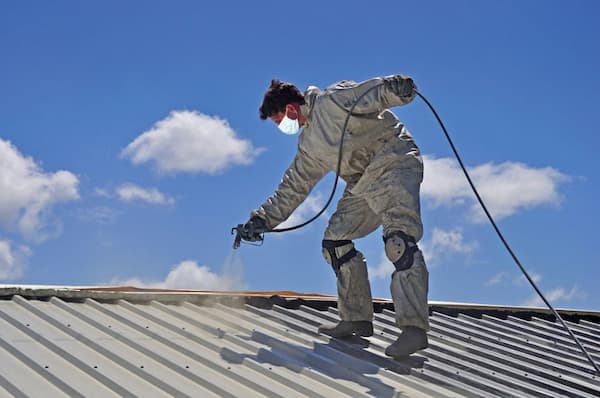
The choice of application depends on your personal preference and the size of the roof:
- Brush: Offers greater control for detailed areas and complex roof shapes but requires more time and effort for larger surfaces.
- Sprayer: Delivers a faster and more efficient application for expansive roofs but requires practice to avoid overspray and ensure even coverage.
Here’s what to consider for each method:
Brushes
- Choose high-quality brushes designed for exterior paint and rough surfaces.
- Use a medium brush for general coverage and a smaller one for intricate areas.
- Apply the paint consistently, working your way down from the top.
Sprayers
- Invest in an airless sprayer with a suitable tip size for optimal control and paint flow.
- Maintain a steady spray pattern, keeping the nozzle at least 12-18 inches from the roof surface.
- Wear a respirator and eye protection to avoid inhaling paint fumes and splatter.
Start From The Top
Always begin painting at the top of the roof and move down. This way, you won’t step on wet paint. It keeps you safe and helps the paint job look smooth. Starting at the top, make sure you won’t miss any spots.
Consistent And Controlled Strokes
Whether using a brush or sprayer, focus on maintaining consistent and controlled movements for a uniform finish:
- Brush: Use long, sweeping strokes with moderate pressure, avoiding overloading the brush with paint. Apply paint in thin layers, allowing each coat to dry before adding another.
- Sprayer: Hold the sprayer consistently from the surface (typically 12-18 inches) and maintain a steady, sweeping motion. Avoid overspray by overlapping each stroke by about 50%.
Multiple Coats And Drying
When you paint an asphalt roof, putting on more than one layer of paint is smart. Here’s how to do it right:
Applying A Second Coat
After you put on the first coat of paint, wait for it to dry completely. This means the paint isn’t sticky or wet when you touch it. Then, you’re ready to add another layer.
This second coat ensures your roof is fully covered and the color looks even. It also adds an extra layer of protection against the sun and rain.
Allow Proper Drying Time
Giving the paint enough time to dry after each coat is important. Don’t rush this! Drying time can change based on how hot or humid it is outside.
Usually, it takes at least a few hours for the paint to dry to the touch. But it’s best to wait a full day before putting on another coat to ensure it’s ready.
Weather Dependency
The weather plays a big role in painting your roof. Pick a day that’s sunny and not too windy to start painting. Also, check the weather forecast to ensure it won’t rain for a few days.
Rain can wash away the paint before it dries, and wind can blow dust and leaves onto your wet roof, sticking to the paint. So, a clear, calm day is the best time to paint your roof.
Clean-Up And Final Inspection
After completing the painting process, don’t forget to clean up. Then, conduct a thorough inspection. This ensures a professional finish and identifies any areas requiring touch-ups.
Tidying Work Area
Leave your work area clean and tidy. This shows professionalism and respect for your property.
- Remove drop cloths and debris: Carefully collect and dispose of drop cloths, paint containers, empty cans, or other used materials.
- Clean tools and equipment: Wash your brushes or sprayer thoroughly per the manufacturer’s instructions. This will remove paint residue and prevent future clogs.
- Sweep up spills and splatters: Use a broom or dustpan to remove any paint spills or splatters on the ground, siding, or other areas around your home.
Inspecting For Uniformity

Once the final paint coat has dried completely, perform a thorough inspection of your newly painted roof:
- Overall coverage: Check for missed spots or areas with uneven paint application. Address these areas with touch-ups if necessary.
- Color consistency: Ensure the color appears consistent throughout the roof surface. Slight variations can occur. Significant differences indicate uneven application or product issues.
- Edgework and details: Closely to areas around vents, chimneys, and shingle edges. Make sure you achieve proper coverage to prevent leaks.
Addressing Touch-Ups
When you identify any areas requiring touch-ups, address them promptly:
- Match the paint: Ensure you have the same paint used for the main touch-up application.
- Prepare the surface: Clean and lightly sand any areas needing touch-ups for better adhesion.
- Apply touch-up paint: Use a small brush to apply touch-up paint in thin coats carefully. Ensure uniform coverage.
- Allow drying time: Follow the recommended drying time for the touch-up paint before walking on the roof.
Long-Term Maintenance
Proper long-term maintenance is crucial to preserve the paint’s beauty. It ensures optimal roof performance and prevents potential problems.
Periodic Roof Inspections
Don’t let your newly painted roof out of sight or mind. Regular inspections are vital for early detection and resolution of any issues:
- Twice a year: Schedule thorough inspections in spring and fall. Assess the paint’s condition and identify any damage to the roof or shingles.
- After major weather Events: Heavy rain, hail, or strong winds can impact the paint and roof integrity. After such events, perform an inspection. Check for damage or areas needing attention.
- Look For: Signs of wear and tear like peeling, cracking, fading, or blistering. Also, check for shingle damage, debris accumulation, or leaks.
Repainting Intervals
Painted asphalt roofs typically require touch-ups every 3-5 years. A full repaint is needed every 7-10 years. This depends on several factors:
- Paint quality: Higher-quality paints offer better durability and can extend the time between repaints.
- Weather conditions: Harsh sun, intense heat, or frequent rain can deteriorate paint. This means you need to repaint more often.
- Roof pitch: Steeper roofs are more exposed to the elements. They need repainting sooner than those with a shallow pitch.
- Maintenance practices: Regular inspections and prompt repairs contribute to the paint job’s longevity.
Addressing Issues Promptly
Don’t ignore signs of wear and tear, damage, or leaks. Addressing them promptly can prevent further problems and costly repairs down the line:
- Peeling or cracking: Patch up these areas with matching paint. This will prevent moisture infiltration and further damage.
- Fading: Consider a fresh coat of paint to restore the vibrancy and protect the roof from further sun damage.
- Leaks: Identify the source of the leak and address it promptly to prevent water damage to your roof and home.
- Shingle damage: Replace damaged shingles immediately to maintain the roof’s integrity and prevent water infiltration.
FAQs
How Much Does It Cost To Paint An Asphalt Roof?
Painting an asphalt roof costs between $1,000 and $3,000 on average. The price can change based on how big your roof is and what kind of paint you choose. Hiring someone to do the job costs more, but they know how to do it right.
What Kind Of Paint Do You Use To Paint An Asphalt Roof?
Use special acrylic paint made just for roofs to paint an asphalt roof. This paint sticks well, lasts long, and can handle rain and sun. It helps keep your house cooler by reflecting sunlight. Always pick the right paint for a safe and nice-looking roof.
Conclusion
Still wondering, can you paint an asphalt roof? Yes, painting an asphalt roof is possible and can bring several benefits. You need to pick the right type of paint, such as acrylic or rubberized options, made just for roofs.
Before you start, cleaning the roof and fixing any damage is important. This makes sure the paint sticks well and lasts longer.
Painting your roof can make your home look better, save money on energy by reflecting sunlight, and even extend the life of your roof. Always remember, doing it correctly matters to get all these benefits.


